+91-124-4807600
 sales@supershinelaundry.ae
How Hydrocarbon Dry Cleaning Machines Are Replacing PERC in Modern Facilities

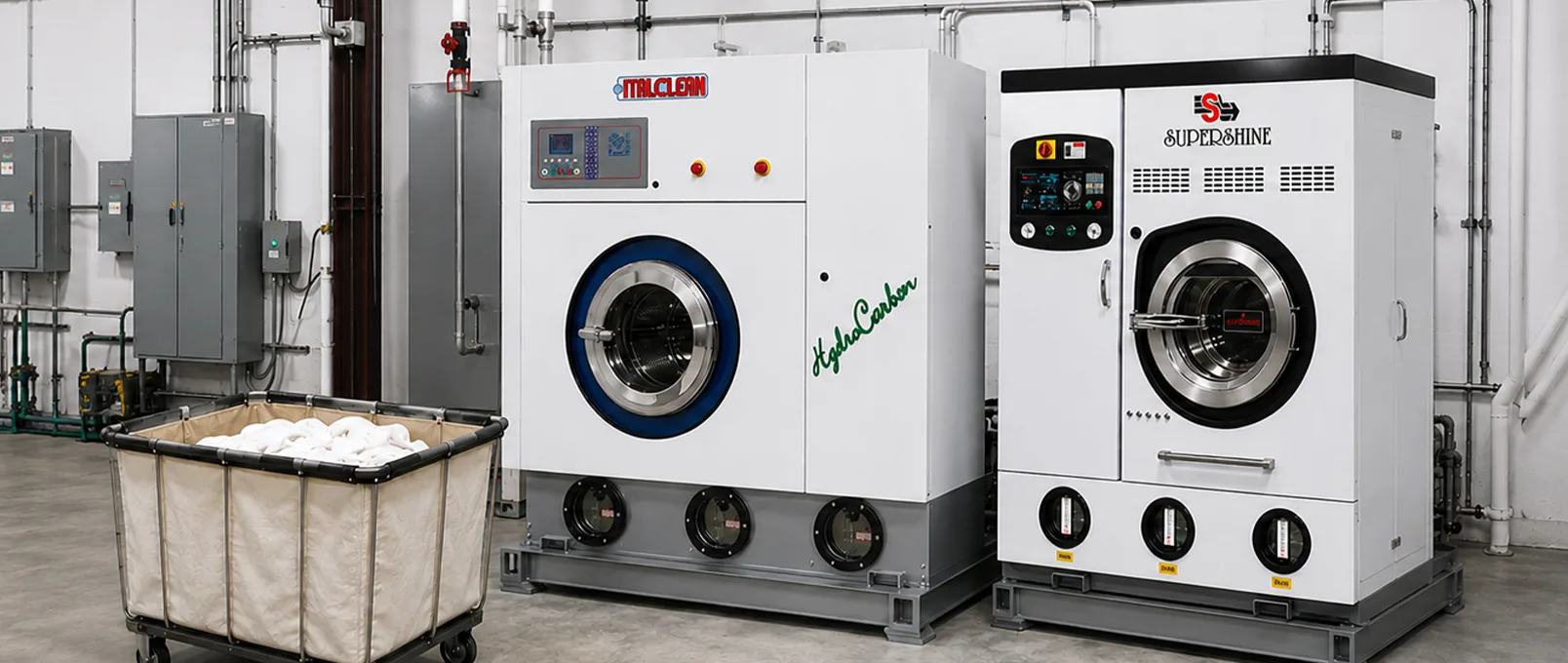
So here's a question we get asked a lot, usually by someone holding a cup of chai and looking slightly suspicious of their own dry cleaning machine. "Why does my dry cleaner's shop smell different now? Like, less chemical-y, more nothing?"
The answer, more often than not, is hydrocarbon.
If you've been anywhere near the laundry or dry cleaning industry in the last decade, you've probably heard the word "PERC" thrown around a lot, usually followed by someone sighing about regulations. PERC, or perchloroethylene, has been the backbone of the dry cleaning washing machine industry for decades. It works well, it's cheap, and honestly, it's been the default for so long that questioning it felt almost rebellious.
But things are changing. And not in a "trendy buzzword" way. In a real, regulatory-pressure, environmental-concern, my-staff-keeps-complaining-about-headaches kind of way.
What's Actually Wrong With PERC, Briefly
I don't want to turn this into a chemistry lecture (mostly because I'd get half of it wrong), but here's the gist. PERC is classified as a hazardous air pollutant in several countries. It's been linked to health concerns for workers exposed to it regularly, and disposal regulations around it have gotten progressively stricter.
For facility owners running a commercial dry cleaning machine setup, this isn't just an environmental footnote. It's compliance headaches, higher disposal costs, and in some regions, outright bans looming on the horizon.
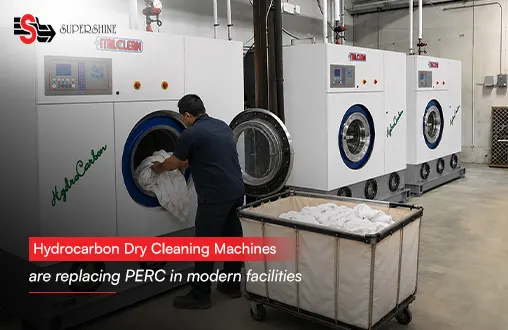
Hydrocarbon solvents, on the other hand, sidestep most of these issues. They're considered less toxic, don't carry the same hazardous waste classification in many jurisdictions, and honestly, smell a lot less like you've walked into a chemistry lab gone wrong.
The Machines Themselves Aren't That Different (Mostly)
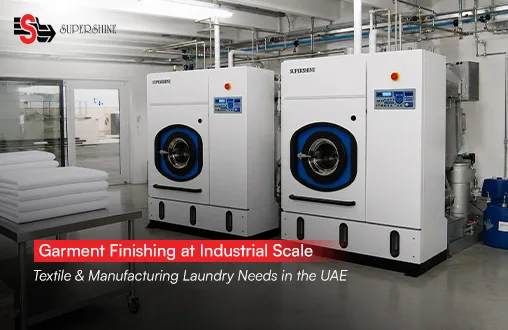
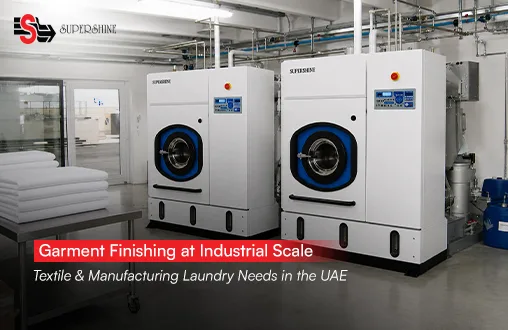
Here's something that surprised us when we first started looking into this. The actual machines, from the outside, look pretty similar. Same drum, same general workflow, same buttons that nobody fully understands until the technician explains them for the third time.
The real difference is in the solvent handling system. Hydrocarbon solvents have a different flash point and evaporation profile than PERC, so the machines need to be engineered with that in mind. Better sealing, different distillation processes, and generally a bit more attention to flammability safety (hydrocarbon is, after all, closer to what fuels your car than what's in a typical cleaning spray bottle).
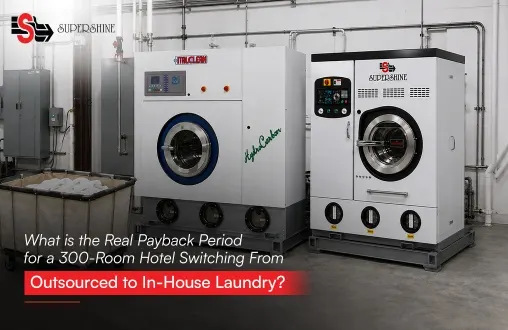
Italclean's DryTech series is a good example of this shift done properly. The Italclean DryTech 200 Hydrocarbon Dry Cleaning Machine and its slightly more space-conscious sibling, the Italclean DryTech 200 Slim Hydrocarbon Dry Cleaning Machine, are built specifically around hydrocarbon solvent handling rather than retrofitting an old PERC design. That distinction matters more than people realise.
For facilities that need higher throughput, models like the Italclean DryTech 360 Hydrocarbon Dry Cleaning Machine and Italclean DryTech 500 Hydrocarbon Dry Cleaning Machine scale up the same principles without compromising on solvent recovery efficiency.
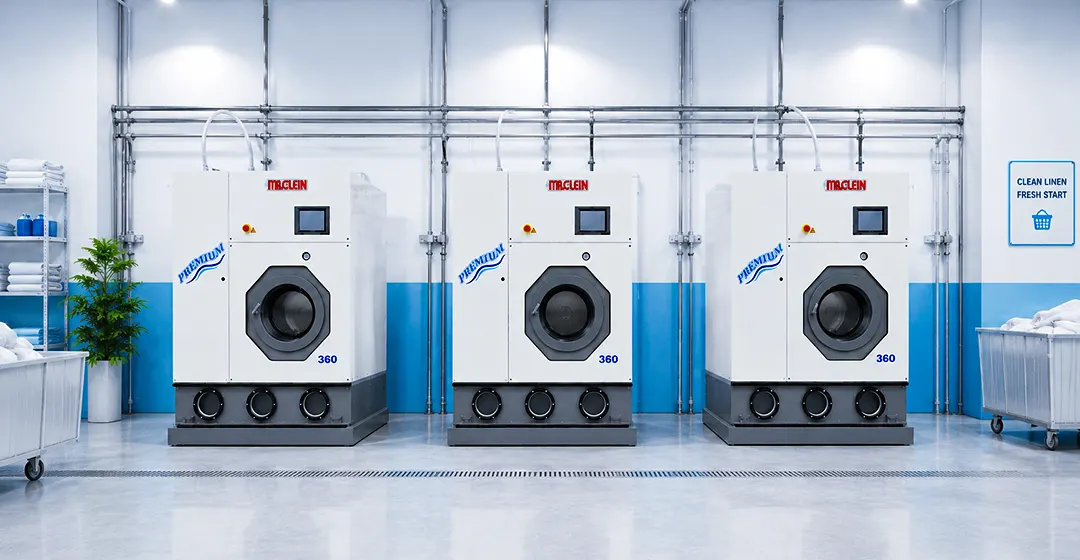
Multisolvent. The "I'm Not Quite Ready to Commit" Option
Now, if you're someone (or running a facility) that isn't fully ready to make the jump, multisolvent machines exist as a sort of middle ground. These industrial laundromat machines are designed to work with multiple solvent types, including hydrocarbon, while giving you flexibility during a transition period.
The Liberty series from Italclean fits nicely here. The Italclean Liberty 160 Multisolvent Machine and Italclean Liberty 200 Multisolvent Machine are great entry points for smaller operations, while the Italclean Liberty 300 Multisolvent Machine and Italclean Liberty 360 Multisolvent Machine cater to facilities with higher daily volumes.
I think of multisolvent machines a bit like hybrid cars. Nobody's claiming they're the final destination, but they're a perfectly sensible step while infrastructure, training, and regulations all catch up with each other.
But PERC Isn't Gone. And That's Okay.
Here's where I'll be honest with you, because pretending PERC has completely vanished overnight would be a bit dishonest, and frankly, a bit lazy of us to write.
PERC machines are still widely used, still compliant in many regions when operated correctly, and still represent a significant chunk of the installed base globally. The Supershine SDC-P series, for instance, including the Supershine SDC-P/6 Dry Cleaning Machine through the Supershine SDC-P/15 Dry Cleaning Machine, continues to serve smaller to mid-size dry cleaning operations reliably, particularly in regions where hydrocarbon infrastructure (and the higher upfront investment it sometimes requires) isn't quite there yet.
Italclean's Premium PERC range, from the Italclean Premium 200 Dry Cleaning Machine up to the Italclean Premium 700 Dry Cleaning Machine, also continues to be specified for facilities that need that scale and have existing PERC handling protocols already in place.
The shift to hydrocarbon isn't a switch being flipped overnight. It's more of a slow tide. Each new installation tilts the balance slightly more.
Why This Matters for Bigger Operations Too
Now, if you're thinking "okay, but we run a hotel laundry, not a corner dry cleaning shop, why does this concern me?" Fair point. But large-scale operations, including event management companies handling large volumes of linen, uniforms, and delicate fabrics, are increasingly factoring solvent type into their vendor decisions.
This is actually something I've seen come up in conversations with teams at SKIL Events, where managing large-scale linen and garment care for events means working with facilities that need to demonstrate cleaner operating practices, sometimes as part of broader sustainability commitments to their own clients. When you're processing thousands of garments for a multi-day event, the solvent your dry cleaning partner uses isn't just a technical footnote anymore. It becomes part of the story you tell your own customers.
So, Where Does This Leave You?
If you're evaluating a new commercial dry cleaning machine purchase, here's my genuinely unsolicited advice (take it with the appropriate grain of salt, since I'm not the one signing the purchase order).
If your region has strict or tightening solvent regulations, lean hydrocarbons are worth serious consideration. The upfront cost difference is real, but so is the long-term compliance headache you're avoiding.
If you're not sure yet, or your current infrastructure is built around PERC, a multisolvent machine like the Liberty series gives you breathing room without locking you in completely.
And if PERC still works for your scale, your region, and your budget, there's no need to feel like you're behind the times. The industry isn't abandoning PERC overnight. It's just slowly making room for something else.
Either way, the conversation has shifted from "which solvent is cheaper" to "which solvent will we still be allowed to use in five years?" And that, more than any marketing pitch, is probably the real reason hydrocarbon machines keep showing up in more facilities every year.
At Supershine Laundry, we believe the right investment isn't just about today's cleaning performance—it's about choosing equipment and technology that keeps your business efficient, compliant, and ready for the future. Whether you continue with PERC or transition to hydrocarbon systems, making an informed decision today can help your laundry business stay competitive for years to come.