+91-124-4807600
 contact@supershine.in
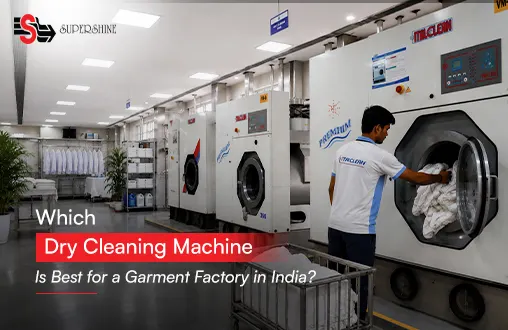
Which Dry Cleaning Machine Is Best for a Garment Factory in India?

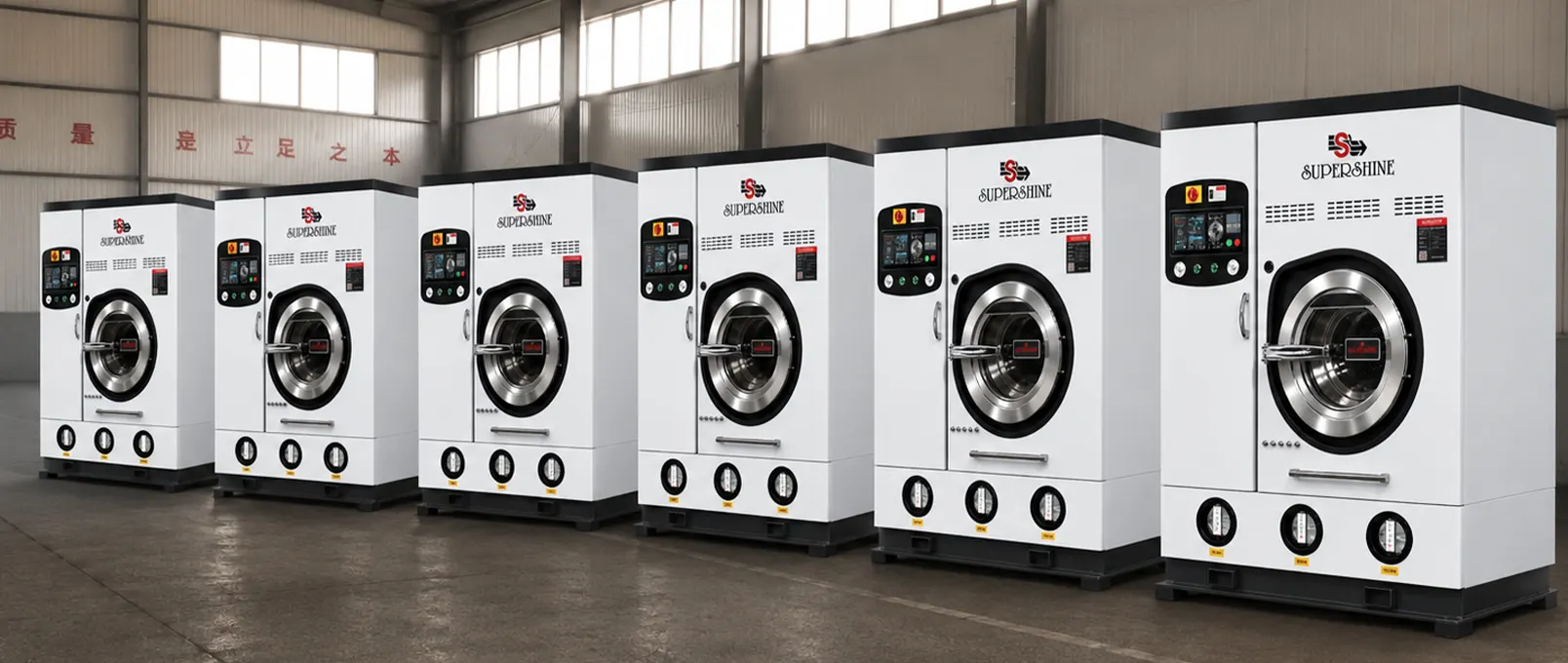
Here's the thing though. The term "dry cleaning machine" means different things to different people. A hotel laundry manager thinks about it differently than a garment factory owner. And a small boutique dry cleaner has very different needs from a large production facility processing thousands of pieces a day.
So before we get into which machine is best, let's make sure we're asking the right question.
What Does a Garment Factory in India Actually Need?
Most garment factories don't need a traditional dry cleaning machine in the way a neighbourhood dry cleaner does. What they actually need is a combination of finishing, pressing, and in some cases, wet cleaning or solvent-based cleaning equipment depending on the fabric types they handle.
But the market has evolved. Today, when garment factories ask about dry cleaning machines, they're usually looking for one of these three things:
- A solvent-based cleaning machine for delicate or specialty fabrics
- A professional wet cleaning setup that handles what dry cleaning traditionally did, without the harsh chemicals
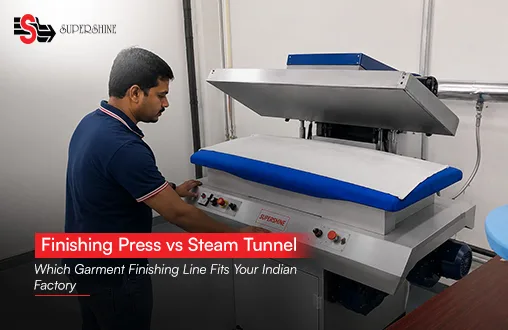
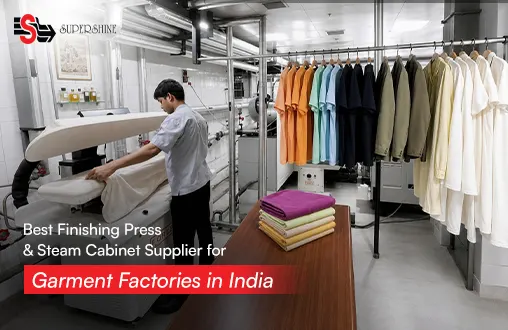
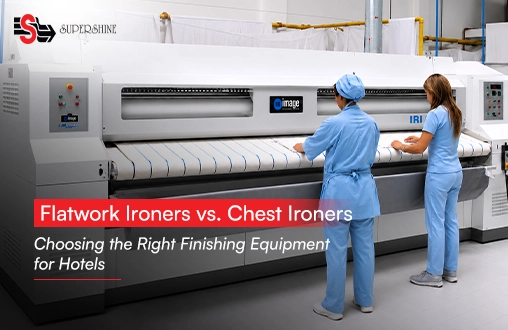
- A finishing and pressing line that completes the garment after washing
At Supershine Laundry, we work with garment factories across India and this confusion comes up more often than you'd think. Getting clarity on what you actually need saves a lot of time and money.
Solvent-Based vs Wet Cleaning: Which One Is Right for Your Factory?
This is the real question behind "which dry cleaning machine is best for a garment factory in India."
Solvent-Based Dry Cleaning Machines
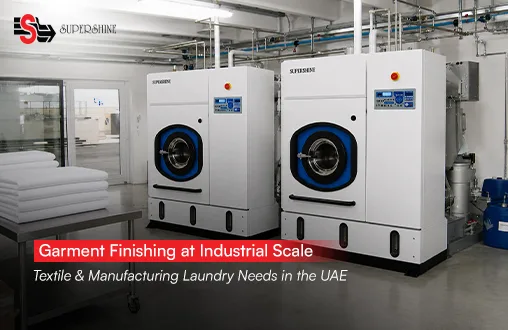
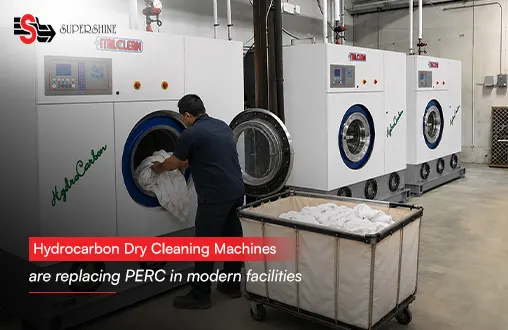
These are the machines that use chemical solvents like perchloroethylene (PERC) or newer hydrocarbon-based solvents to clean garments without water. They work brilliantly for:
- Wool suits and blazers
- Silk and delicate embroidered pieces
- Heavily beaded or structured garments
- Fabrics that shrink or distort with water
The downside in the Indian context is twofold. First, solvent handling, storage, and disposal are regulated and require proper infrastructure. Second, the running cost of solvent-based machines is higher than wet cleaning alternatives.
If your factory produces high-end garments with delicate fabrics and you need in-house finishing and cleaning capability, a solvent-based machine makes sense. But go in with eyes open about the compliance and operating cost side.
Professional Wet Cleaning
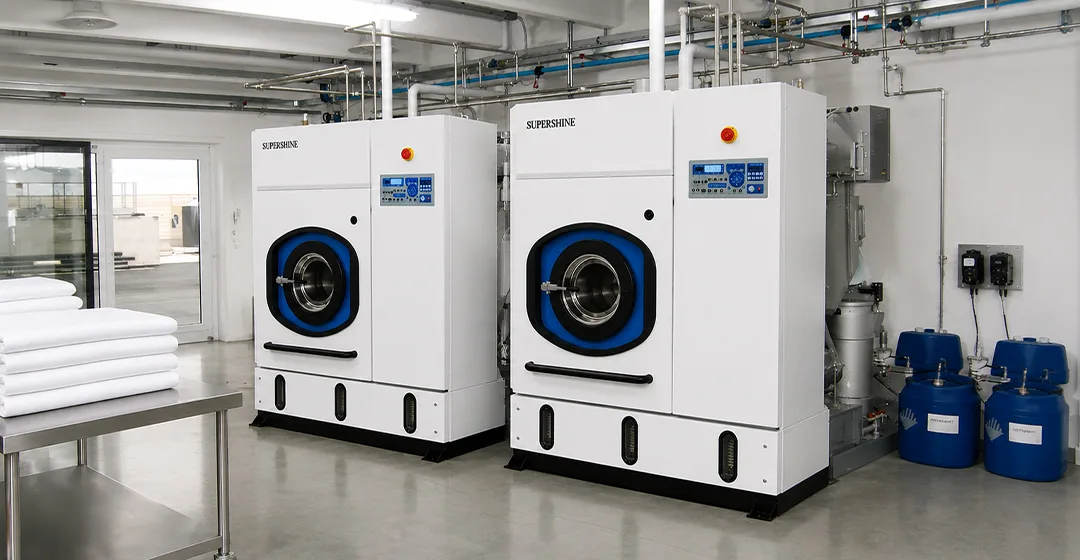
This is where things get interesting. Modern professional wet cleaning systems can handle almost everything a solvent-based machine can, using water and specialised detergents with very precise control over temperature, mechanical action, and moisture levels.
For most garment factories in India, especially those producing export-quality apparel, professional wet cleaning paired with good commercial washers and dryers is often the smarter, more cost-effective route.
It's gentler on fabrics, easier to maintain, doesn't involve solvent compliance headaches, and the technology has come a long way in the last decade.
What to Look for in a Dry Cleaning or Wet Cleaning Machine for a Garment Factory
Whether you're going solvent or wet cleaning, here's what actually matters when choosing equipment for a factory setting.
Capacity and Throughput
A machine that works for a neighbourhood dry cleaner will not work for a garment factory. You need to think in terms of kilograms per hour and how many pieces you need to process per shift. Map this against your production volumes before you even look at machine specs.
Fabric Compatibility
Your machine needs to handle the full range of fabrics your factory works with. Cotton, polyester, blends, silk, wool, synthetic stretch fabrics. Check the machine's programmable cycle options. The more flexibility, the better.
Build Quality and Reliability
A garment factory runs production schedules. Downtime is not an option. Look for machines with proven industrial-grade components, good local service support, and a track record in the Indian market. This is not the place to go bargain hunting.
Controls and Programming
Modern equipment comes with programmable microprocessors that let you set precise parameters for each fabric type. This matters a lot in a factory setting where consistency across hundreds of pieces is non-negotiable.
After-Sales Support
This is perhaps the most underrated factor. The best machine in the world is useless if you can't get a technician when something goes wrong. Always check what the service infrastructure looks like before you commit.
The Role of Commercial Washers and Dryers in a Garment Factory Setup
Here's something most factory owners don't think about until it's too late. Your dry cleaning or wet cleaning machine is only one part of the equation.
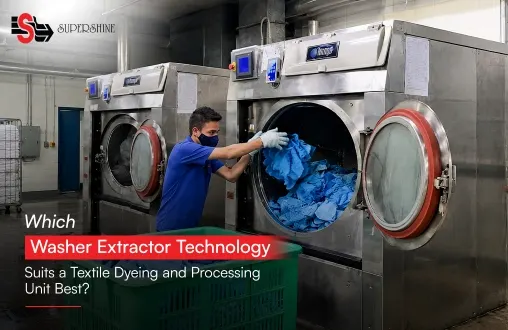
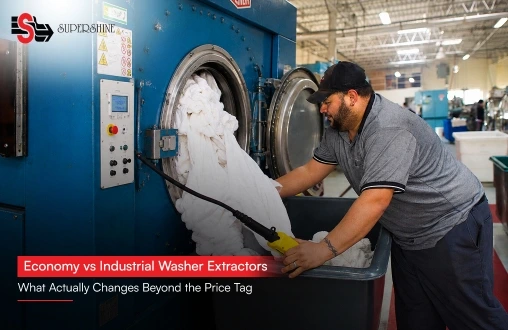
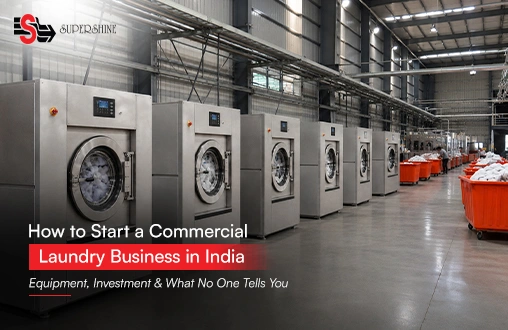
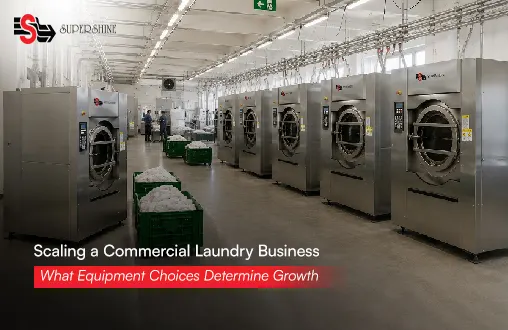
Commercial washers and dryers form the backbone of any serious garment processing setup. Even if you have a dry cleaning line for delicate pieces, the bulk of your garment processing will likely go through high-capacity washers and dryers.
For a garment factory, the right commercial washers and dryers should offer:
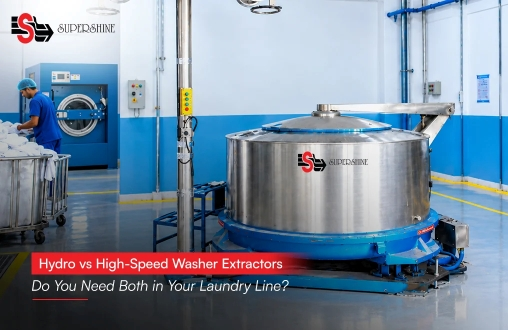
- High G-force extraction to reduce drying time and energy consumption
- Programmable wash cycles for different fabric types and soil levels
- Stainless steel drums for hygiene and longevity
- Variable speed drives for gentle handling of delicate fabrics
- Capacity matched to your daily production volume
At Supershine Laundry, we help factories choose the right combination of equipment rather than just selling individual machines. It makes a real difference to how the entire operation flows.
What About a Commercial Clothes Dryer Machine?
Let's talk about drying because it's where a lot of factories lose time and money without realising it.
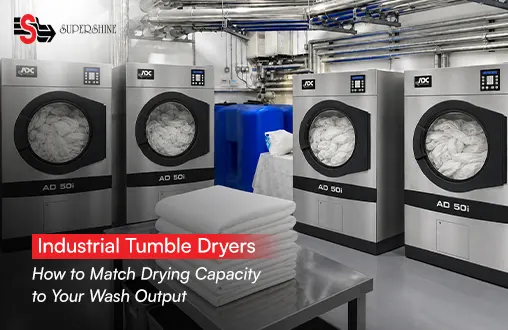
A good commercial clothes dryer machine does more than just remove moisture. The right dryer, running at the right temperature with the right airflow, can actually improve the finish quality of garments coming off the line.
What to look for in a commercial clothes dryer machine for a garment factory:
- Moisture sensing technology that stops the cycle at the right point, preventing over-drying
- Multiple temperature settings for different fabric types
- Large drum volume relative to the rated capacity, so garments have room to tumble properly
- Energy efficiency, because dryers are one of the biggest utility costs in any laundry or garment processing setup
- Reverse tumble action to reduce tangling and wrinkling
A common mistake factories make is underpowering the drying side. They invest in a good washer but buy a dryer that can't keep up with the wash cycle output. This creates a bottleneck that slows down the entire production line.
University Laundry Machines and What Garment Factories Can Learn from Them
This might seem like an odd comparison but stay with us.
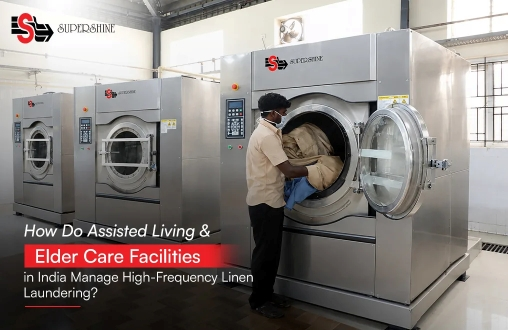
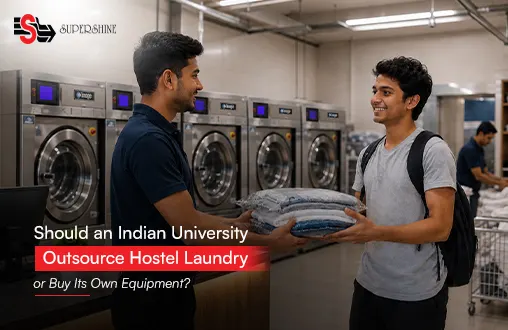
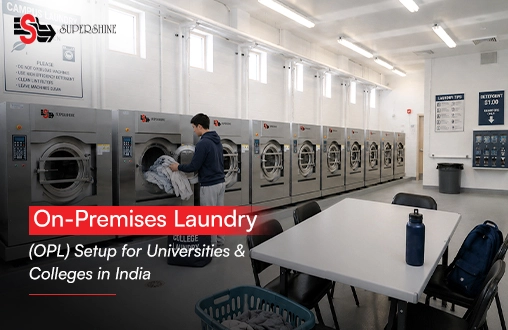
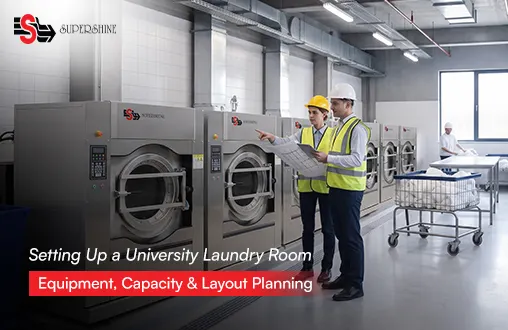
University laundry machines are designed for one thing: continuous, high-volume use with minimal supervision and maximum reliability. Universities run laundry operations that process thousands of kilograms of linen and clothing every single day. The equipment they use is built to handle that.
Garment factories face a similar challenge. High volume, continuous operation, diverse fabric types, and the need for consistent results every time. The equipment philosophy is the same even if the application is different.
The lessons from university laundry machines that apply directly to garment factory setups:
- Prioritise machines with simple, robust controls that staff can operate without constant supervision
- Look for equipment with self-diagnostic systems that flag issues before they become breakdowns
- Choose machines with modular components that are easy to service and replace
- Don't underestimate capacity. It's always better to have slightly more capacity than you need today than to outgrow your equipment in 18 months
How Supershine Laundry Helps Garment Factories Get This Right
At Supershine Laundry, we don't just supply equipment. We sit down with factory owners and production managers to understand what they actually process, how much they process, and what their quality standards are.
From there, we put together a recommendation that covers the full equipment mix, not just a single machine. That includes dry cleaning or wet cleaning equipment, commercial washers and dryers, commercial clothes dryer machines, finishing and pressing equipment, and the after-sales support to keep everything running.
We've worked with garment factories of all sizes across India and we understand that every setup is different. What works for an export house in Gurugram is not necessarily what works for a knitwear unit in Tirupur.
To Wrap It Up
There's no single answer to which dry cleaning machine is best for a garment factory in India. The right answer depends on what you make, how much you make, and what kind of finish quality you need at the end of the process.
What we do know is that factories that invest in the right equipment mix, plan their capacity properly, and back it up with a solid maintenance routine consistently outperform those that don't.
If you're in the middle of this decision, talk to someone who's done it before. Supershine Laundry is happy to be that conversation. Reach out to us and let's figure out what actually makes sense for your setup.