+91-124-4807600
 sales@supershinelaundry.ae
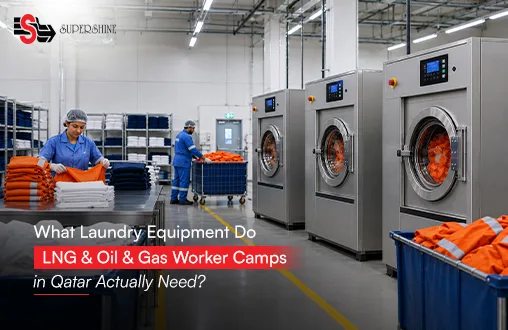
What Laundry Equipment Do LNG and Oil & Gas Worker Camps in Qatar Actually Need?

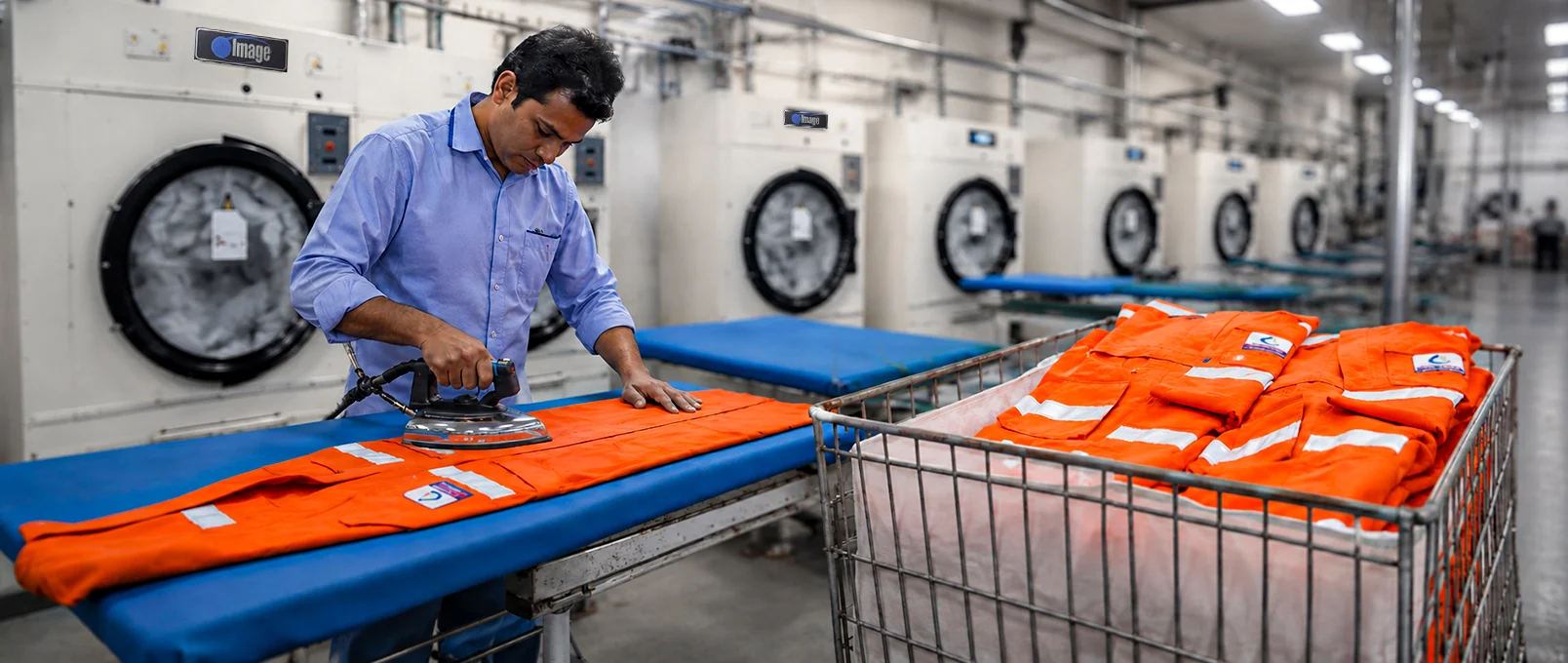
An LNG or oil and gas worker camp in Qatar needs an industrial laundry setup built around three things: high-capacity washer extractors that can process hundreds of uniforms and linens daily, tumble dryers rated for continuous, heavy-duty cycles, and a centralized processing system that meets Qatar's mandatory worker welfare standards for laundry services. This isn't optional infrastructure. It's a legal and operational requirement, and getting it wrong creates real problems, both for compliance and for worker wellbeing.
Let's break down what actually goes into a setup like this, because "industrial laundry" means something quite specific in the worker camp context, and it's not the same as what a hotel or hospital needs.
Why Qatar's Worker Camps Have Formal Laundry Requirements
Qatar takes worker accommodation standards seriously, and laundry is explicitly part of that framework. The Ministry of Administrative Development, Labor & Social Affairs enforces standards under Ministerial Resolution No. 18 of 2014, which sets out detailed conditions for worker accommodation, including a requirement that facilities provide a fully catered laundry service to residents, typically through a centralized laundry within the accommodation site itself.
The Supreme Committee for Delivery and Legacy has also published Workers' Welfare Standards (most recently updated in 2022) that go further, covering not just laundry provision but broader hygiene, space, and welfare requirements. Each sleeping area is required to provide at least six square meters per bed, and camps housing thousands of workers for LNG and oil and gas projects need laundry infrastructure that can genuinely keep pace with that population, not a token facility that looks compliant on paper but buckles under real demand.
What Is Included in an Industrial Laundry Setup for a Worker Camp?
This is really the core question every camp operator and project manager should be asking before they even start sourcing equipment. A proper setup isn't just "buy some big washing machines." It typically includes:
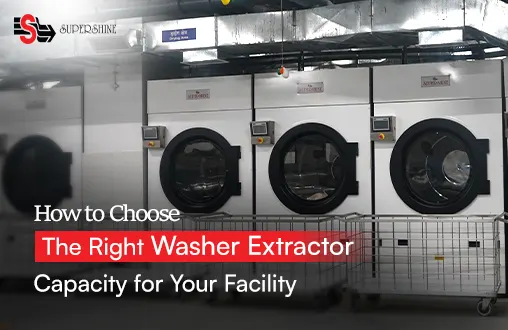
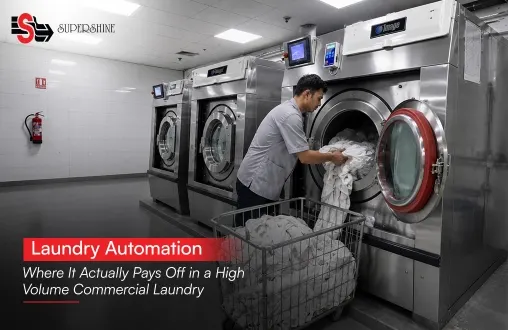
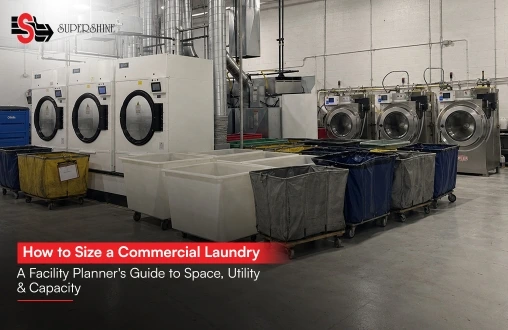
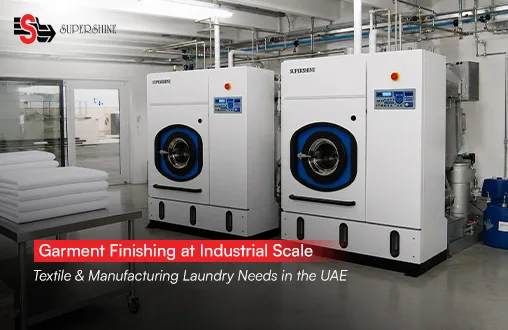
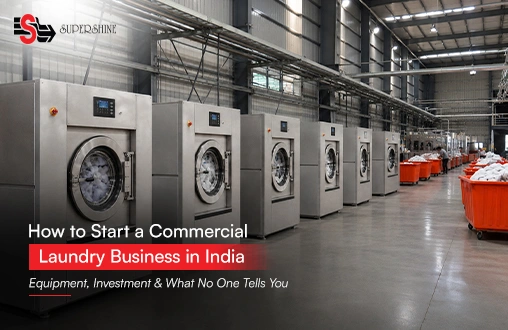
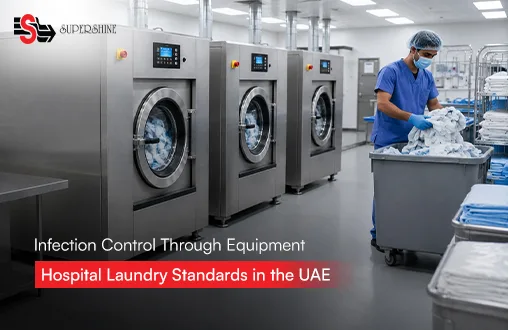
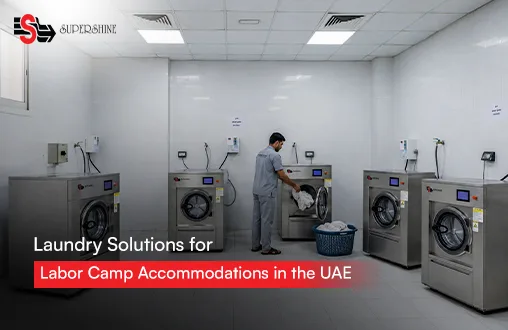
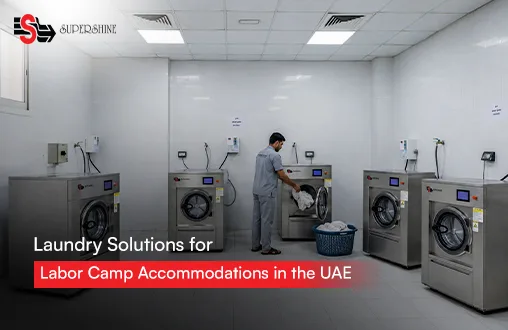
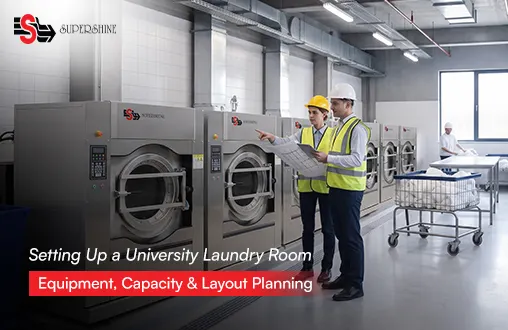
Heavy duty washer extractors are sized for continuous, high-volume operation, since a camp housing 2,000 to 5,000 workers generates enormous daily linen and uniform volumes. These need to run multiple cycles a day without excessive downtime.
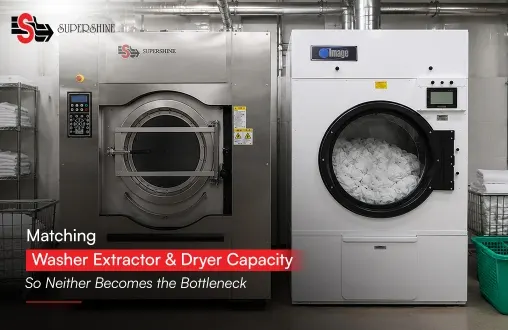
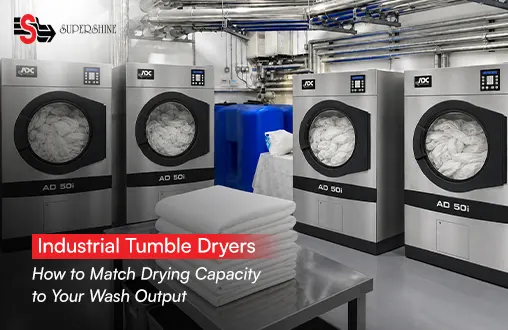
Industrial tumble dryers matched in capacity to the washing side, because a mismatch here (undersized dryers paired with oversized washers) creates a bottleneck that defeats the whole point of scaling up.
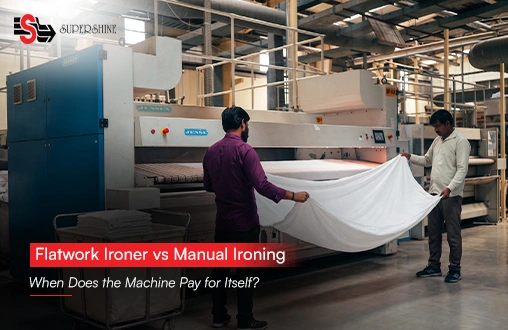
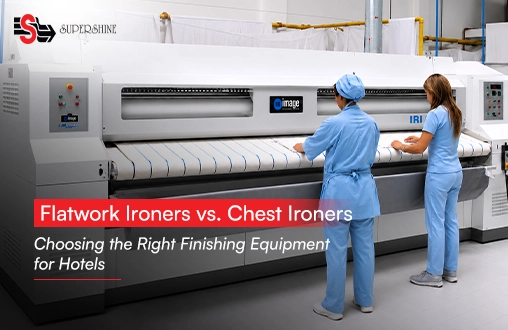
Flatwork or finishing equipment for bedding and uniforms, particularly where camps house supervisory or professional staff who need a more finished appearance for site visits or client meetings.
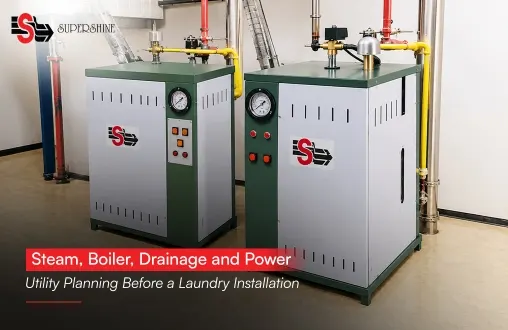
Robust water and effluent handling, since Qatar's climate and water costs mean any industrial laundry needs proper water treatment and recycling consideration built in from the design stage, not bolted on afterward.
Backup and redundancy, because a single point of failure in a camp housing thousands of people isn't a minor inconvenience, it's a welfare and compliance issue.
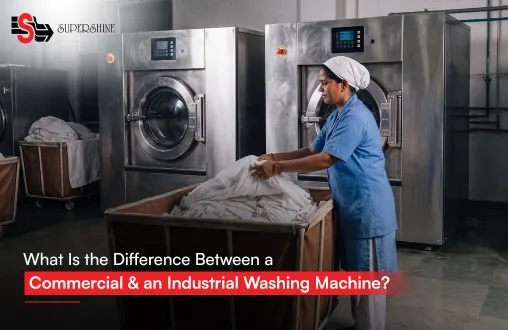
Industrial Washing Machine vs Consumer-Grade: Why the Distinction Matters
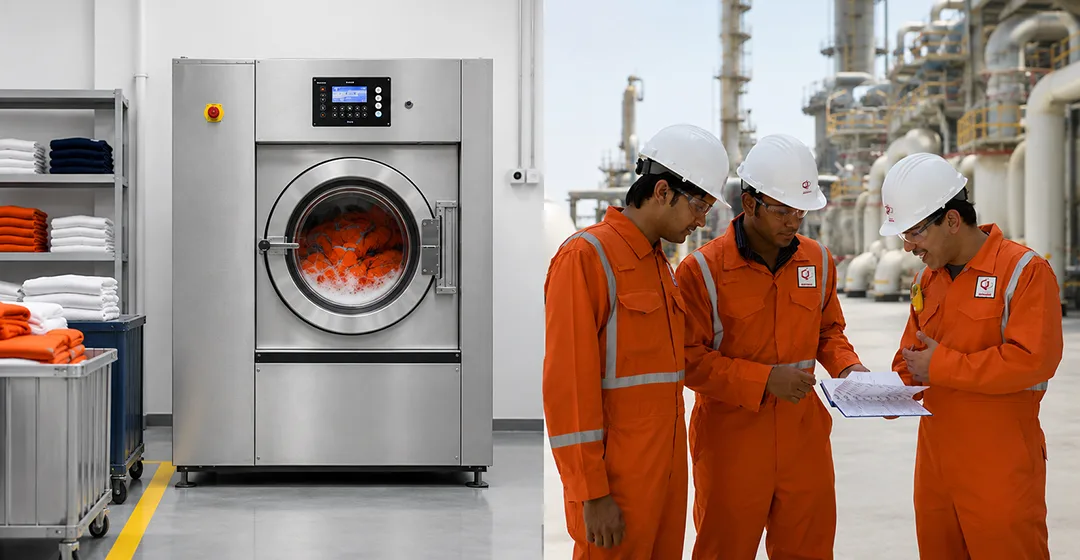
It might sound obvious, but it's worth saying plainly: an industrial washing machine built for camp-scale operation is a fundamentally different piece of engineering than a large domestic or light-commercial unit. Camp laundry facilities run essentially around the clock, processing uniforms soiled with grease, dust, and sweat from site work, often in extreme heat that pushes 45°C or higher outside. Equipment has to be engineered for that duty cycle. Cutting corners here (buying under-specified machines to save on capex) tends to backfire fast, usually within the first year, through breakdowns, extended downtime, and hygiene complaints from residents.
An industrial washer and dryer combination sized correctly from the start avoids most of this. It's really a capacity planning exercise as much as an equipment purchase: how many workers, what's the uniform and linen turnover rate, and what redundancy do you need if one machine goes down mid-shift-change.
Heat, Dust, and Water: The Real Operating Conditions
Qatar's climate isn't gentle on equipment. Summer temperatures regularly exceed 45°C, and construction and industrial sites generate heavy dust and grease soiling on work uniforms that ordinary consumer machines simply aren't built to handle repeatedly. Industrial laundry machines designed for this environment need robust motors, appropriate ventilation in the laundry room itself, and often pre-treatment stages for heavily soiled workwear before the main wash cycle.
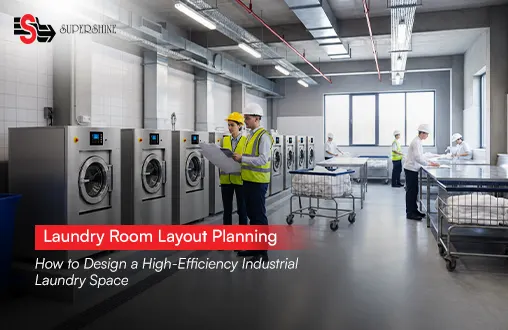
This is also where planning the physical laundry facility matters as much as the machines themselves, ventilation, drainage, and heat management in the laundry room affect both equipment lifespan and staff working conditions.
Where Supershine's Turnkey Experience Fits In
Setting up laundry infrastructure for a camp housing thousands of workers isn't a plug-and-play purchase, it's closer to a mini industrial project. This is exactly the kind of turnkey planning Supershine Laundry has handled across defence, industrial, and institutional clients for over three decades, covering everything from initial capacity assessment and machine selection through installation, commissioning, and after-sales support. For camp operators and EPC contractors working on Qatar LNG or oil and gas projects, having a partner who has actually sized and delivered industrial laundry systems at scale (rather than a generic equipment reseller) makes the difference between a facility that works on day one and one that needs an expensive redo eighteen months in.
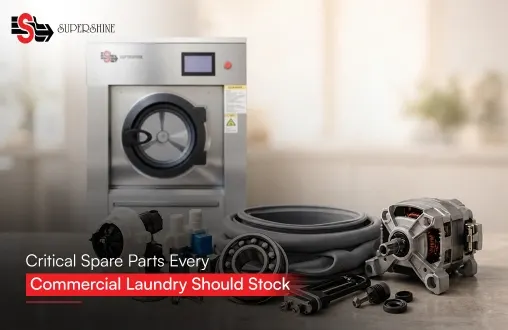
Supershine Laundry's export experience across the Gulf also means the equipment recommendations account for regional realities: voltage standards, water quality, extreme heat, and the logistics of getting spare parts to a remote camp site quickly when something needs fixing.
Planning for Growth, Not Just Current Headcount
One thing camp operators consistently underestimate is how quickly headcount scales during peak construction phases of an LNG project. A laundry facility sized for today's workforce often falls short six months later when a project ramps up. Building in some capacity headroom from the outset, rather than treating laundry as an afterthought bolted onto camp planning, saves a lot of pain (and unplanned capex) later.
Ready to Plan Your Camp's Laundry Setup?
If you're scoping laundry infrastructure for a new worker camp or upgrading an existing one for a Qatar LNG or oil and gas project, it's worth getting the capacity planning right from day one rather than retrofitting later. Supershine's team has spent over three decades sizing and installing industrial laundry systems for exactly this kind of demanding, high-volume environment, and a proper consultation upfront tends to save far more than it costs.