+91-124-4807600
 sales@supershinelaundry.ae

How Much Water Does a Commercial Laundry Really Use, and How to Cut It Without Hurting Hygiene

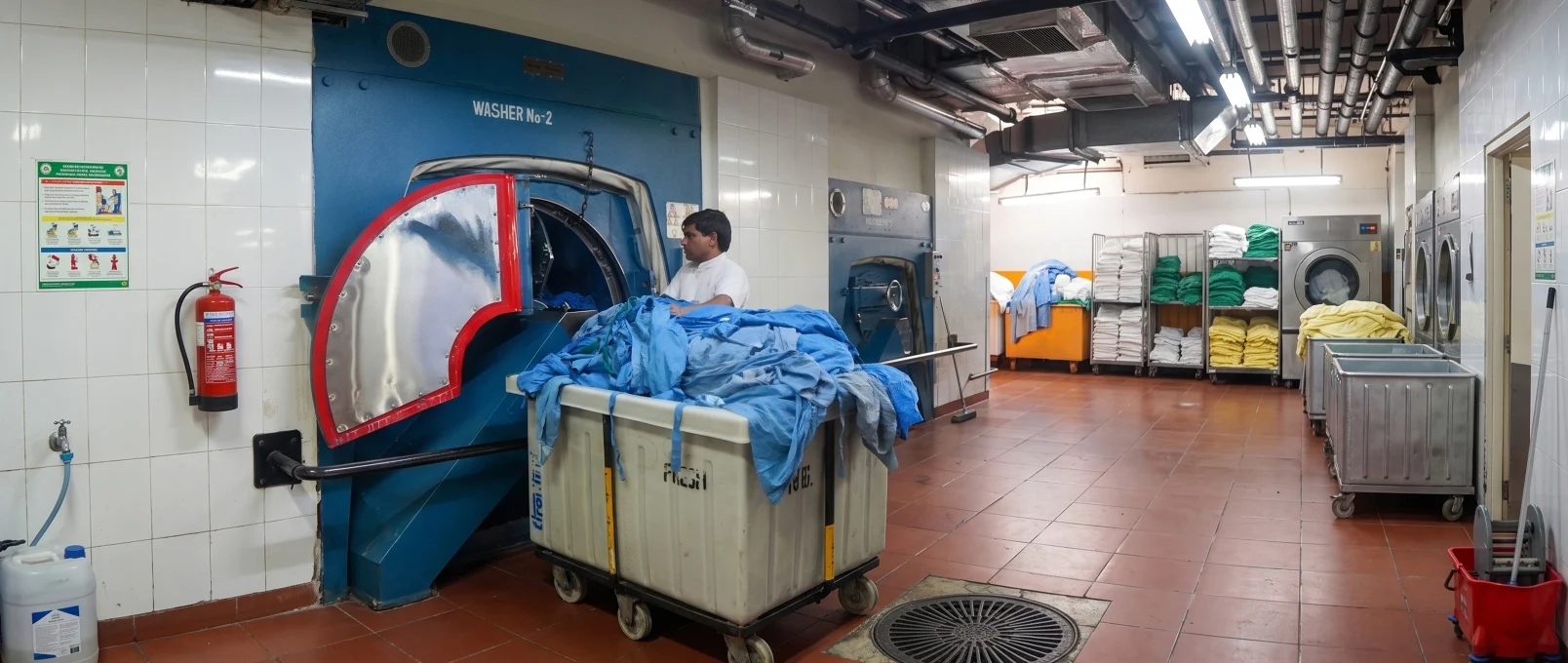
Ask ten laundry managers how much water they use per kilogram of linen and you will get ten different answers. Some honestly don't know. That is a problem, because water is one of the biggest controllable costs in any plant, and the right commercial laundry solutions can reduce it without touching hygiene standards.
At Supershine Laundry we do this kind of water audit regularly for hotels and hospitals, so here is how it usually breaks down.
What is a normal number?
It varies a lot. Industry publications report that water use across laundries ranges from around 2 litres per kilogram to well over 30. A few reference points:
- Traditional washer extractor plants have historically used around 20 litres per kilogram.
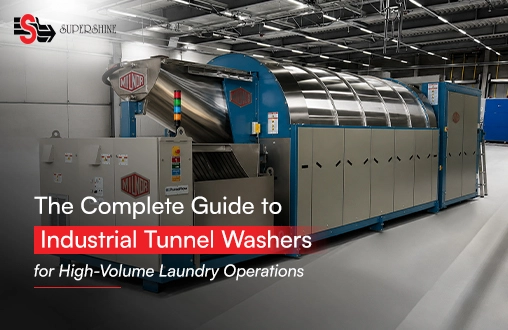
- Tunnel washers can run at roughly 5 litres per kilogram or lower, and the best systems with recovery go much lower.
- Some Indian hotel laundries are reported at 15 to 20 litres per kilogram.
So if you do not know your figure, measure it. Fit a water meter on the laundry supply and divide by the dry kilograms processed over a week.
Where the water actually goes
Water is not wasted in one place. It leaks away in small ways.
- Rinse stages. Most machines are set for the worst water quality, so they rinse more than needed.
- Part loads. A half empty commercial laundry washing machine uses nearly the same water as a full one.
- Fixed water levels. Linen type and soil level rarely change the programme.
- Leaks and valve faults. Small drips run all day.
Seven practical ways to cut water use
- Load to capacity. As a guide, aim for about 10 litres of drum volume per kilogram of cotton. Underloading is the cheapest waste to fix.
- Trim the rinse. Test the rinse water, then reduce the number of rinses or the water level until the result still passes your quality check.
- Reuse the last rinse. Collecting final rinse water and reusing it in the next load's pre wash is a well known technique that can save around a third of water in some plants.
- Fix the chemistry. The right detergent, alkali and sour system rinses out faster. Your chemical supplier can help here.
- Use programmable controls. Modern controllers let you set water levels by load type instead of one size fits all.
- Consider a tunnel washer at higher volumes. Counter current rinsing is far more water efficient than batch washing.
- Maintain valves and meters. A faulty fill valve can add up quietly.
Will less water hurt hygiene?
Not if you do it carefully. Hygiene depends on temperature, time, mechanical action and chemistry, not just litres. For healthcare linen, standards such as the UK's HTM 01-04 recommend thermal disinfection, for example 71 degrees Celsius for 3 minutes or 65 degrees for 10 minutes. You can cut water and still meet these times and temperatures.
What you should never do is cut rinsing so far that residual chemicals stay in the fabric. That causes skin irritation and shortens linen life. Always test pH and residue after changing a programme.
The energy link
Water and energy are tied together. Less water to heat means less steam, gas or electricity. Heat recovery from outgoing wastewater can add another saving. In other words, a water project often pays twice.
Equipment matters as much as habits
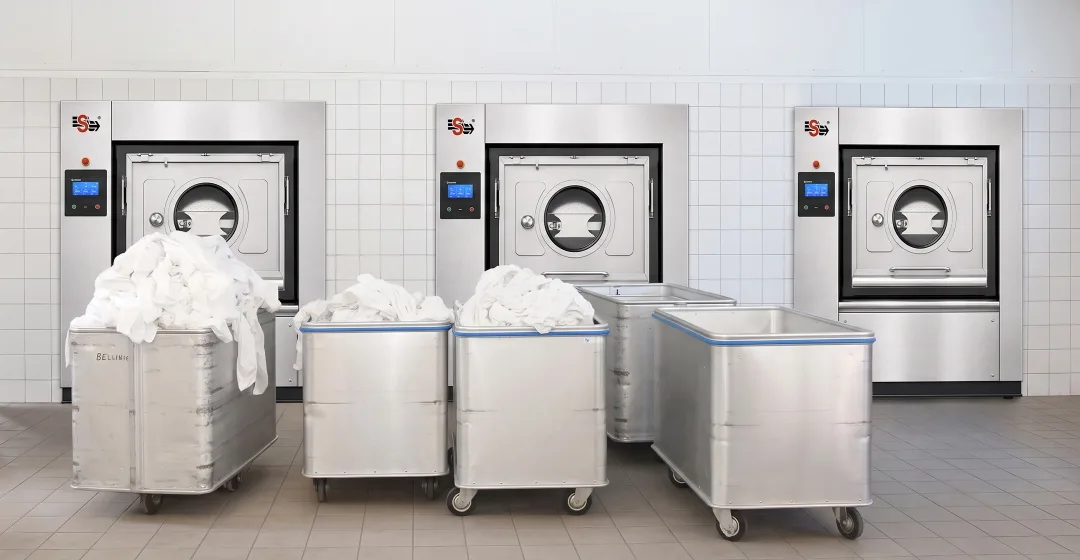
Habits can only go so far. Modern commercial washer and dryer combinations are designed around water recovery, precise dosing and high extraction. Milnor, for example, promotes its PulseFlow technology for very low water use in tunnel systems. Manufacturer claims should be verified against your own linen and water quality, which is where a proper site assessment helps.
Supershine Laundry represents Milnor, Image and other leading brands, so we can compare options for industrial laundry equipment without pushing one design. Our assessment and project planning service looks at water, labour and electricity together.
Track the result
Once the changes are in, keep measuring. Record litres per kilogram every month and plot it on a simple chart. A rising line without a change in linen type usually points to a leak, a stuck valve or a programme someone has altered. Share the figure with your operators and supervisors, because people protect what they can see. A small monthly review takes ten minutes and keeps the savings from slipping away.
Celebrate small wins too. When a team sees a saving in litres, they tend to protect it without being reminded.
A simple starting plan
Good commercial laundry solutions are built on measurement first and machines second.
- Week one: meter your water and calculate litres per kilogram
- Week two: check loading and wash programmes
- Week three: trim rinses and test results
- Week four: decide whether recovery or new equipment makes sense