+91-124-4807600
 contact@supershine.in
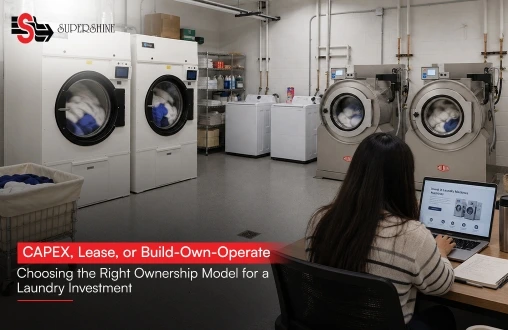
CAPEX, Lease, or Build-Own-Operate: Choosing the Right Ownership Model for a Laundry Investment

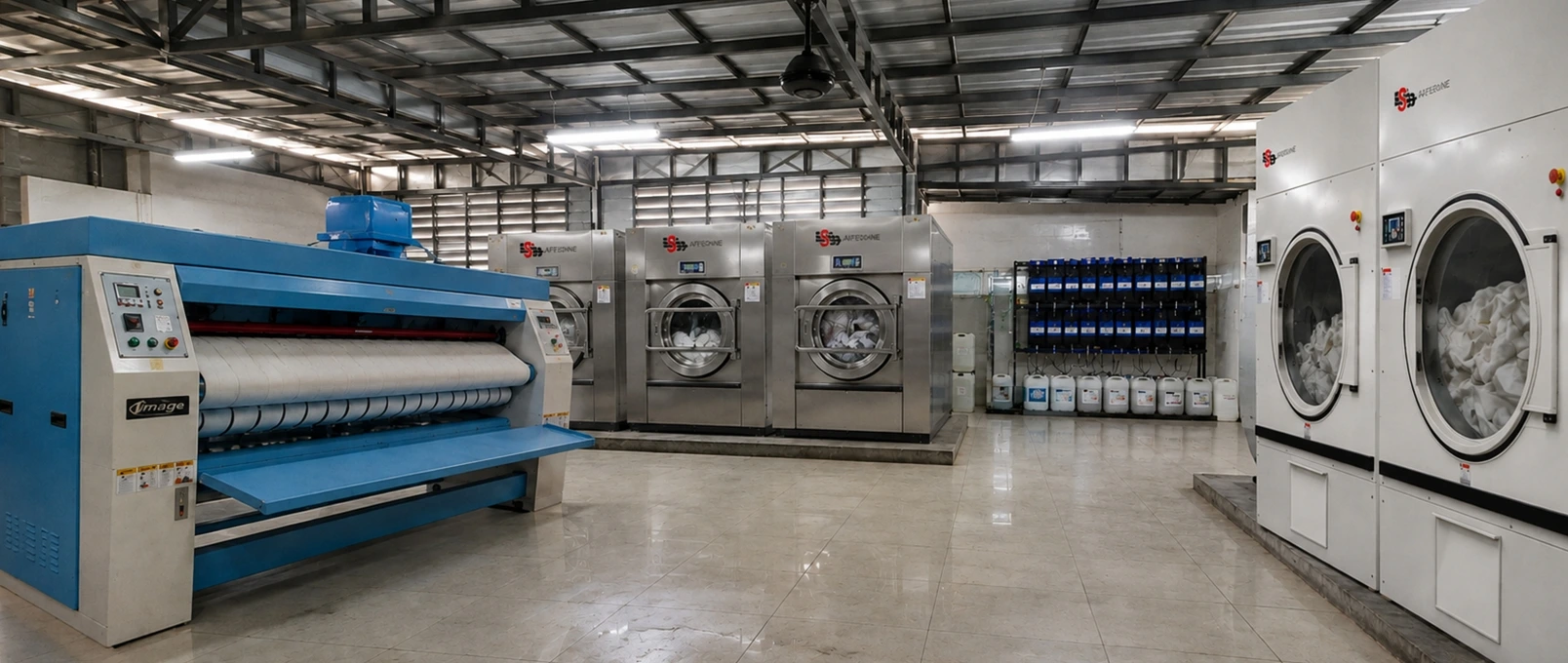
By the time a CFO gets involved in a laundry project, the technical decisions (capacity, machine type, floor space) are usually already settled. What's left on the table is the money question, and it's a bigger one than it looks: how should this asset actually be owned and paid for? The right laundry equipment ownership model changes your cash flow, your balance sheet, your risk exposure, and honestly, how much you'll enjoy managing this facility five years from now. Whichever direction you lean, understanding your commercial laundry equipment financing options up front changes how the rest of this decision plays out. Whichever ownership model you choose, the underlying equipment decision doesn't disappear. You're still selecting commercial laundry equipment and matching it to genuine commercial laundry solutions for your facility, whether you buy, lease, or contract for output. That's why it pays to work with a partner who can speak knowledgeably about commercial laundry equipment manufacturers, not just financing structures. Supershine works directly with recognised laundry equipment suppliers and laundry machine manufacturers, including established commercial laundry machine manufacturers, so the ownership conversation and the equipment conversation happen together, not as two disconnected decisions.
There isn't a universally correct answer here. But there is a wrong way to make this decision, which is picking a model out of habit rather than actually comparing the three real options against your specific situation. Supershine ends up in this conversation with facility owners regardless of which model they eventually choose, so it's worth laying out honestly.
Option One: Outright CAPEX Purchase
This is the traditional route. You buy the washer extractors, dryers, ironers, and finishing equipment outright, capitalize the asset, and depreciate it over its useful life.
What you get:
- Full ownership and control over the equipment, its maintenance schedule, and how it's used.
- No ongoing lease or service fee eating into monthly operating expenses.
- Depreciation benefits that reduce taxable income over the asset's life, which your finance team will already be factoring into the broader capital budget.
- No dependency on a third party's continued willingness to service or renew a contract.
What it costs you beyond the price tag:
- A large upfront cash outlay, which either ties up working capital or requires debt financing with its own interest cost.
- Full responsibility for maintenance, spare parts, and technology obsolescence risk. If a better, more efficient machine comes out in six years, you're stuck with what you bought unless you fund another capital cycle.
- The equipment sits as a fixed asset on your balance sheet, which matters if you're managing leverage ratios or preparing for external investment or a sale.
CAPEX purchase makes the most sense when you have the capital available, expect to run the facility for a long horizon (typically 10+ years), and want full operational control without a third party's SLA sitting between you and your linen supply.
Option Two: Lease Financing
Leasing separates ownership from use. You pay a periodic amount to use the equipment, structured either as an operating lease (equipment stays off your balance sheet in many accounting treatments, shorter effective commitment, easier equipment refresh) or a finance lease (functions closer to a loan, with the asset and corresponding liability recognized on the balance sheet under most current lease accounting standards, including Ind AS 116 for Indian companies reporting under that framework).
What you get:
- Lower upfront cash requirement, which preserves capital for other priorities.
- Predictable, budgetable monthly cost instead of a large one-time hit.
- Easier equipment refresh cycles in many lease structures, since you're not stuck owning aging machinery.
- Maintenance is sometimes bundled into the lease agreement, shifting some operational risk to the lessor.
What it costs you:
- Total cost over the full lease term is usually higher than an outright purchase, since you're paying for financing convenience and, often, bundled service.
- Less flexibility to modify or heavily customize equipment you don't own.
- Lease accounting treatment (especially finance leases) may still affect balance sheet ratios, so the "off balance sheet" benefit isn't automatic or guaranteed depending on lease structure and applicable accounting standard.
Leasing tends to fit growing operations that need to scale capacity without a large capital commitment, or businesses that prioritize predictable monthly costs over long-term ownership economics.
Option Three: Build-Own-Operate (BOO)
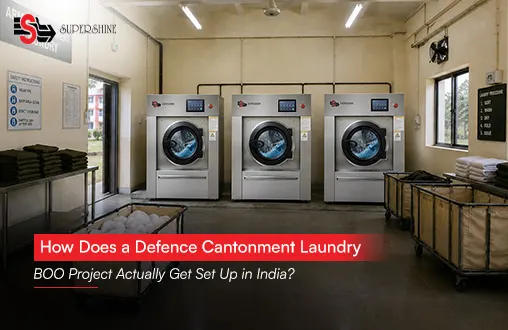
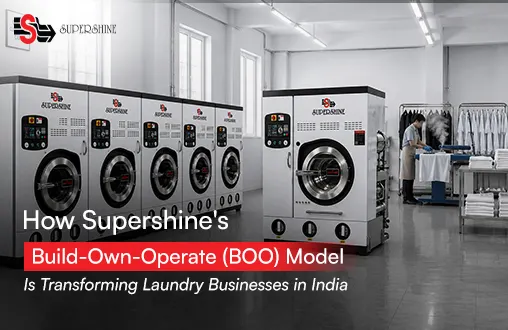
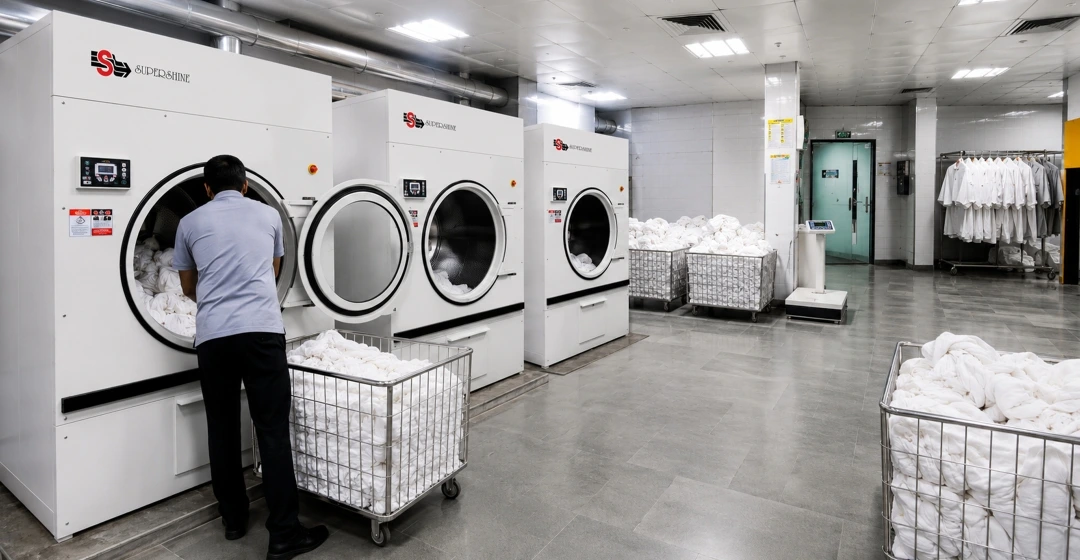
This is the least understood of the three, and it's genuinely different from the first two. Under a build-own-operate model, a specialist laundry partner designs, installs, owns, staffs, and runs the entire laundry operation, either on your premises or at a dedicated off-site facility, and you pay for output: typically a per-kilogram processing rate or a structured monthly service fee, not equipment ownership at all.
What you get:
- Zero capital expenditure on equipment. Your balance sheet stays clean of laundry assets entirely.
- Operational risk (staffing, maintenance, equipment breakdown, technology upgrades) sits with the operating partner, not you.
- Predictable per-unit cost that scales directly with actual volume, useful for facilities with seasonal or fluctuating linen demand.
- Access to properly engineered, professionally run equipment and processes without having to build that expertise in-house.
What it costs you:
- Less direct control over day-to-day operations and equipment choices, though a well-structured contract with clear SLAs mitigates most of this.
- Long-term cost per kilogram can exceed the equivalent cost of owned equipment once volumes are high and stable, since the operating partner is pricing in their own margin and risk buffer.
- Dependency on the partner's reliability, quality standards, and continuity, which makes contract terms and the partner's track record critical.
BOO structures are increasingly common for large hospital linen operations and hotel groups managing multiple properties, where the core competency is hospitality or patient care, not laundry operations, and management would rather pay a predictable service fee than run an in-house department.
A Decision Framework
Work through these before choosing:
- What's your realistic operating horizon for this facility? Longer horizons favor CAPEX ownership economics; shorter or uncertain horizons favor lease or BOO.
- How available and how expensive is capital right now? If capital is constrained or expensive to borrow, lease or BOO preserve cash for other priorities.
- How volatile is your linen volume? Highly variable volume (seasonal hotels, fluctuating hospital occupancy) fits BOO's pay-per-output model better than fixed equipment sized for peak demand.
- Do you have in-house expertise to manage laundry operations well? If not, BOO effectively rents that expertise along with the equipment.
- What does the total cost look like over a realistic 7-10 year comparison, not just year one? Model all three options against your actual projected volume, not a rough estimate.
Getting the Comparison Right
The mistake we see most often is comparing options on monthly cost alone, without normalizing for what's actually included: maintenance, staffing, technology refresh, and risk transfer all carry real value that doesn't show up on a simple price comparison. A lease that includes full maintenance support isn't fairly compared against a bare equipment quote for outright purchase.
Supershine works with CFOs and facility owners to build out this comparison properly, modeling CAPEX, lease, and BOO scenarios against actual projected volumes and operating horizons before recommending a path. Because Supershine Laundry offers turnkey planning, installation, and after-sales support across all three models, the conversation stays focused on what's genuinely right for your business rather than which structure suits a single financing product. Getting this decision right at the outset avoids the expensive correction of switching ownership models midway through an equipment's useful life.