+91-124-4807600
 contact@supershine.in
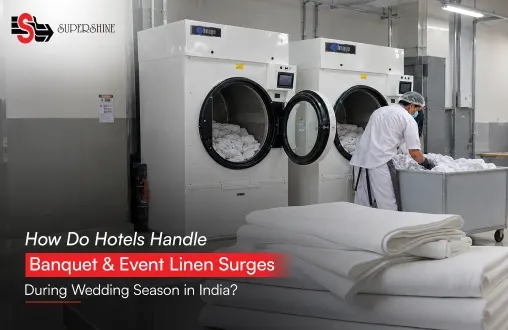
How Do Hotels Handle Banquet and Event Linen Surges During Wedding Season in India?

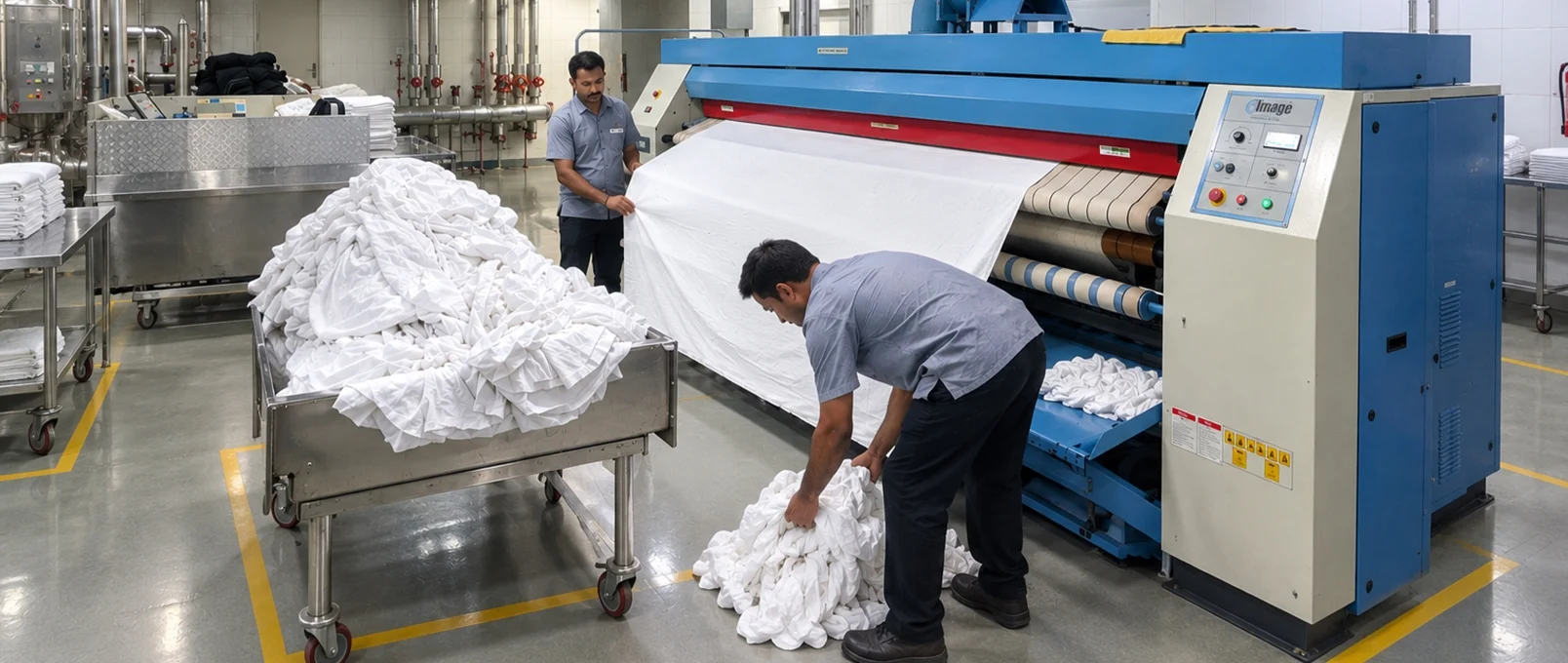
Ask any hotel's front office team what November to February feels like, and "wedding season" comes up before anything else. Banquet bookings stack on top of regular room occupancy, and suddenly the laundry that ran comfortably all year is processing three to four times its usual linen volume in a single week. A property that manages this well protects its margins and its reputation. One that doesn't ends up renting linen at a premium, apologising to guests, or both.
Why Wedding Season Breaks Laundry Planning That Works the Rest of the Year
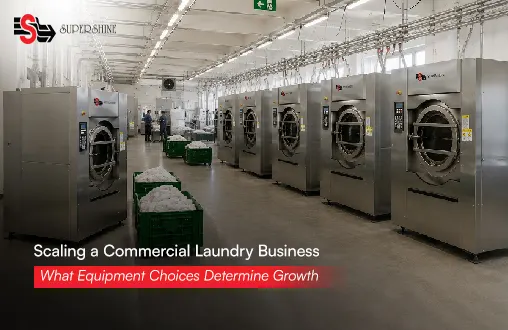
Most hotel laundries are sized for average occupancy, not peak banquet load. A 200-room property might comfortably run its hotel commercial washing machine fleet at 60-70% capacity through the year. Add two back-to-back wedding functions with 800 covers each, and table linen, napkins, chair covers, and staff uniforms can double overnight.
The problem isn't just volume. Banquet linen also has a much tighter turnaround window than room linen. A wedding lunch ends at 4 PM and the same hall needs to be reset for a reception by 7 PM, which means soiled linen has to be washed, dried, and pressed in under three hours — not the next-day cycle housekeeping linen usually gets.
What Actually Changes in the Laundry Room During Peak Season
1. Load scheduling shifts from batch to continuous
Outside of season, laundries often run in planned batches — bed linen in the morning, towels midday, uniforms in the evening. During banquet-heavy weeks, that structure has to give way to continuous processing, with machines cycling as soon as one load finishes, often across two or three shifts instead of one.
2. Sorting gets stricter, not looser
It's tempting to mix loads under time pressure, but banquet linen carries oil, wax, wine, and gravy stains that behave very differently from everyday soiling. Hotels that sort by soil type rather than just fabric type get more consistent results and fewer re-washes, which matters enormously when there's no slack time for a second attempt.
3. Drying and finishing become the real bottleneck
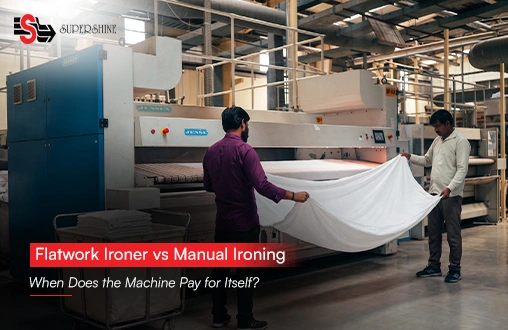
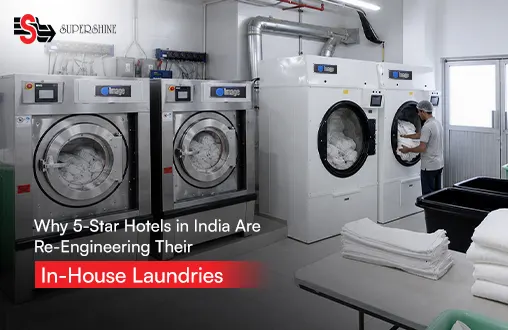
Washing is rarely where properties fall behind — extraction and drying are. Table linen and napkins need to come out crease-appropriate for flatwork ironing, and any hotel relying on line-drying or undersized dryers during peak season will lose the turnaround race, regardless of how fast the wash cycle runs.
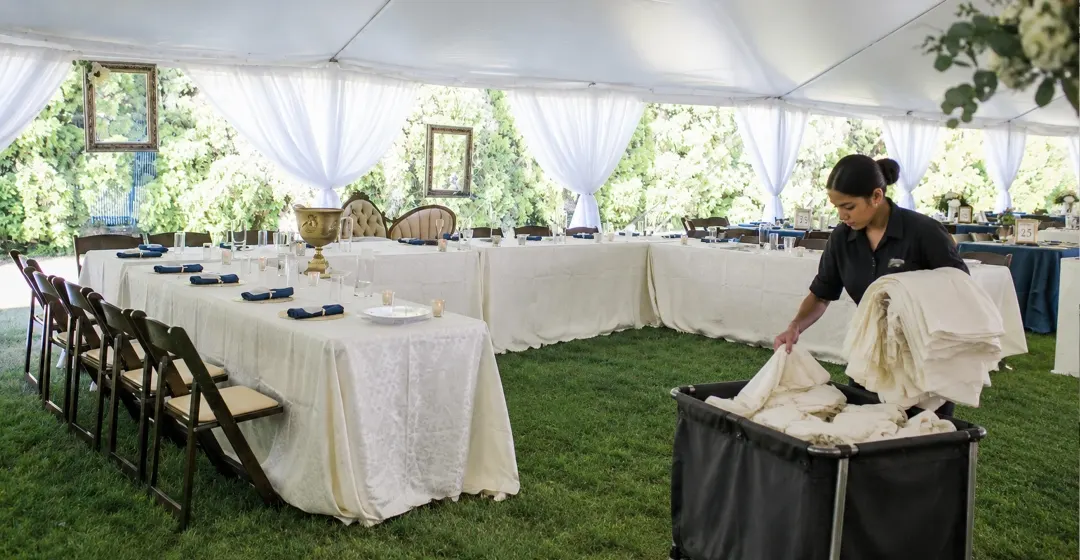
Peak Week vs. Regular Week: What the Load Actually Looks Like
| Factor | Regular Operating Week | Wedding Season Peak Week |
| Linen volume | Baseline (rooms + F&B) | 2.5x–4x baseline |
| Turnaround required | Same-day to next-day | Under 3 hours per event |
| Machine utilisation | 60–70% | 90–100%, multi-shift |
| Sorting discipline | By fabric type | By fabric + soil type |
| Common failure point | Rarely stressed | Drying and pressing bottleneck |
How Hotels Are Building Laundries That Absorb the Surge
The properties that handle wedding season without renting emergency linen or apologising to a banquet client usually made three decisions well before the season started.
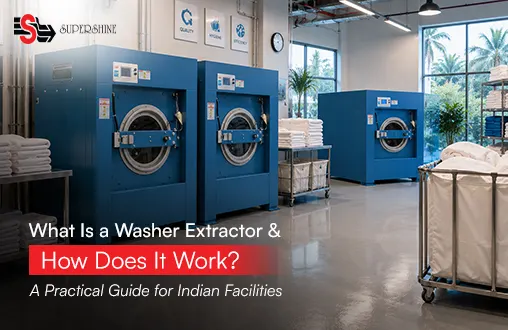
- Right-sized machine banks, not just bigger machines: Several mid-capacity hotel laundry machines running in parallel handle a sudden spike better than one oversized unit, since a single breakdown doesn't take out your entire capacity during a fully booked week.
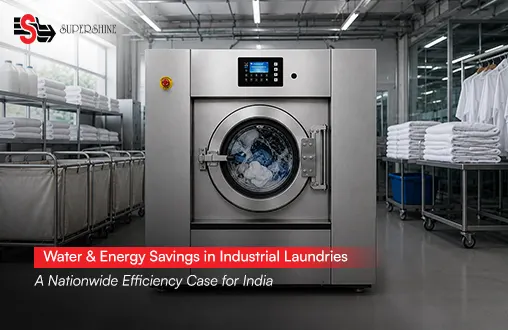
- Extraction and drying matched to wash capacity: A hotel that upgrades its washers but not its dryers just moves the bottleneck downstream. Extraction speed and dryer throughput need to scale together.
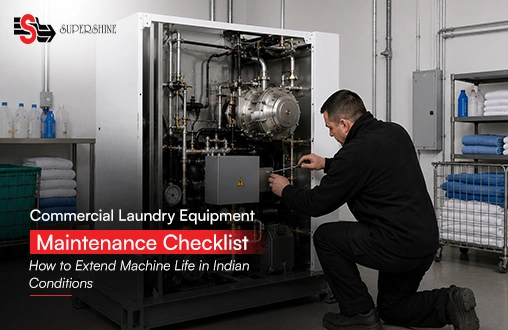
- A maintenance calendar that avoids the season entirely: AMC visits and part replacements get scheduled for the quiet months, so no commercial washing machine for hotels is down for service during the one stretch of the year it can least afford it.
Buying for Peak Load Without Overpaying for the Rest of the Year
This is where a lot of procurement conversations get stuck. Sizing an entire laundry for peak wedding-season demand means paying for capacity that sits idle nine months of the year. The more common approach among well-run hotels is a base fleet of commercial laundry equipment for hotels sized to comfortable year-round operation, supplemented by a small reserve of hotel industrial washing machines that only run flat-out during peak weeks — plus a service partner who can guarantee spare parts and technician response time on short notice when the season hits.
That balance — enough baseline capacity to run efficiently most of the year, with genuine headroom built in for the weeks that matter most commercially — is usually the difference between a laundry operation that supports the banquet business and one that quietly limits it.
The Real Cost of Getting This Wrong
Emergency linen rental during peak season typically costs two to three times the annualised cost of owning adequate capacity, and that's before counting the reputational cost of a stained tablecloth at someone's wedding reception. For hotels that host banquets regularly, laundry capacity planning isn't a facilities line item — it's part of the events sales pitch. Supershine Laundry can support properties in planning reliable commercial laundry capacity so they can confidently commit to same-day turnaround on any size of function, creating a genuine commercial edge over one that has to hedge.