+91-124-4807600
 sales@supershinelaundry.ae

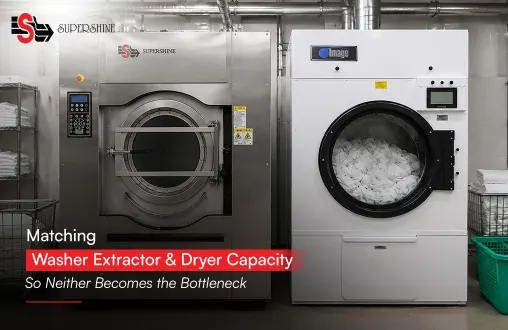
Matching Washer Extractor and Dryer Capacity So Neither Becomes the Bottleneck

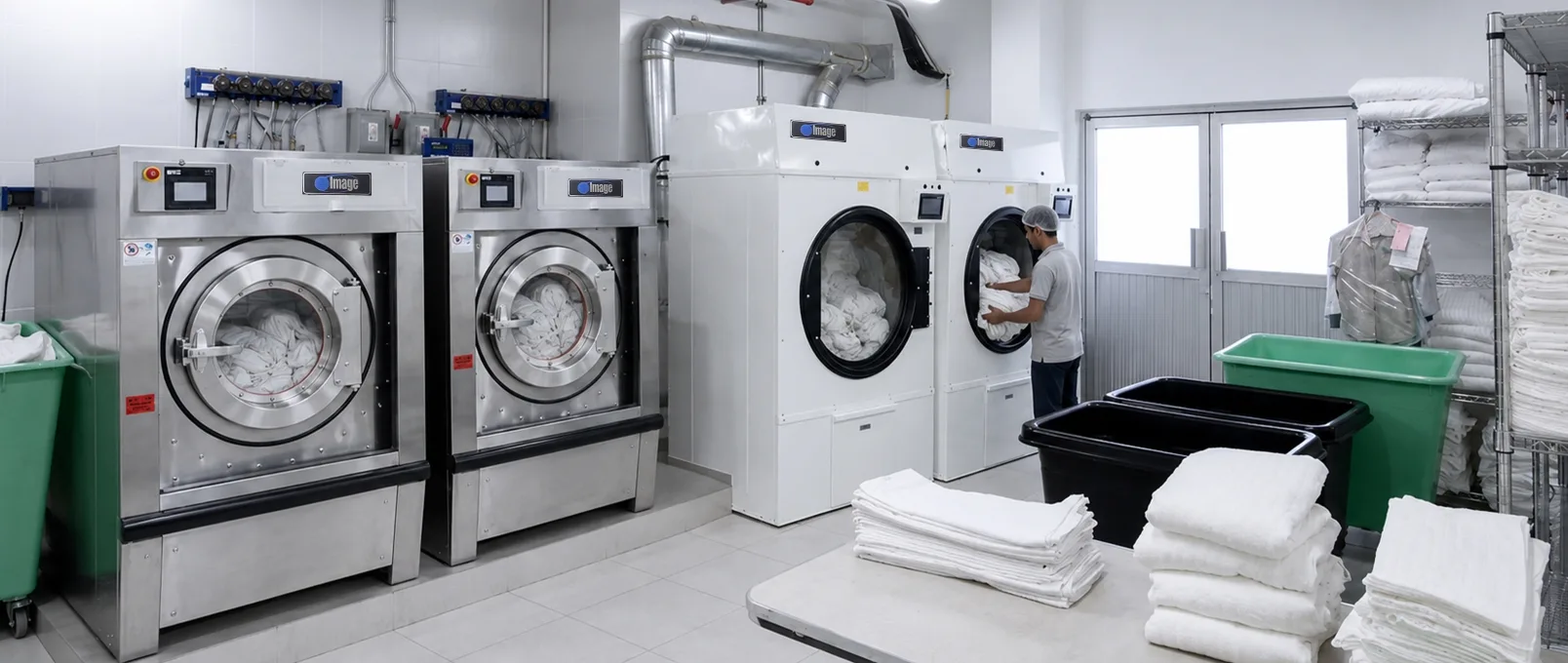
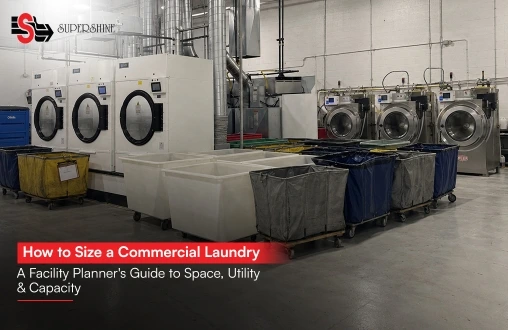
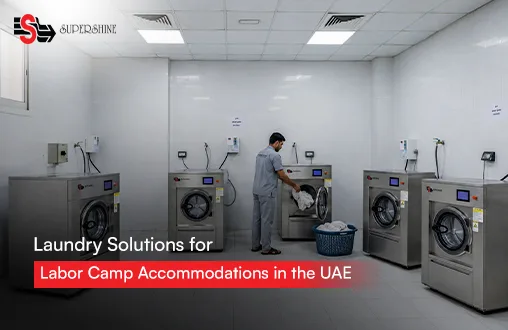
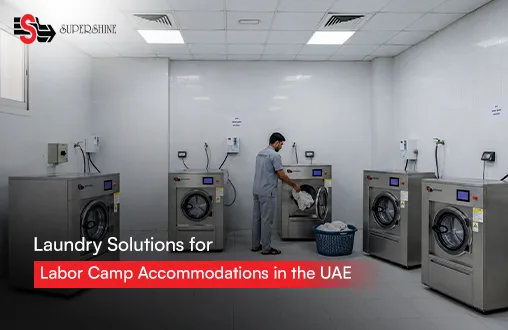
A laundry is like a relay race. It does not matter how fast the first runner is if the second one stumbles. We visit plants where a brand new extractor washing machine is churning out loads every 40 minutes while two ageing dryers take twice that to finish them. The washer sits idle with wet linen waiting in trolleys. Everyone blames the washer. It is almost never the washer.
Getting washer and dryer capacity right is one of the most valuable design decisions in any plant, and at Supershine Laundry it is where we begin every project plan.
Why mismatches happen
Mostly because people size machines in isolation. Someone picks a washer based on kilograms per load, then picks dryers based on price. Nobody checks the cycle times.
The usual causes:
- Buying equipment in different years, from different brands
- Ignoring how much moisture the washer leaves in linen
- Sizing for average load instead of peak
- Forgetting that dryers need more time than washers for heavy items
The basic rule of thumb
Dryers generally need a larger drum volume than washers handling the same weight. Cotton linen expands in the dryer, so it needs space to tumble. A common practice is to pair a washer with a dryer that has roughly double the drum capacity, or to run two dryers per washer when linen is heavy. Treat this as a starting point and confirm it against the manufacturer's data for your models.
If you pack a dryer too tightly, drying takes longer and linen comes out creased and damp in the middle.
A step by step way to match them
- Estimate daily linen weight. Break it into categories such as sheets, towels, uniforms and table linen.
- Decide operating hours. A plant working 16 hours needs less hourly capacity than one working 8.
- Calculate hourly throughput. Divide daily kilograms by working hours, then add a peak allowance.
- Choose washer size and count. Check commercial laundry washer cycle times for your wash programmes.
- Check extraction. Faster spin speeds leave less water, which shortens drying.
- Size the dryers to match. Use real drying times for your linen mix, not brochure minimums.
- Add flatwork and finishing. Ironers and folders can become the next bottleneck.
Extraction is the hidden link
This is the point most people miss. The washer's spin speed decides how much water the dryer must evaporate. Energy and time follow from that.
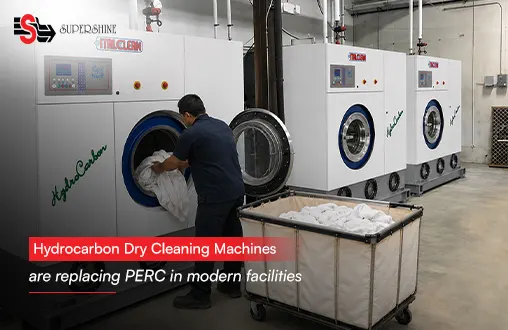
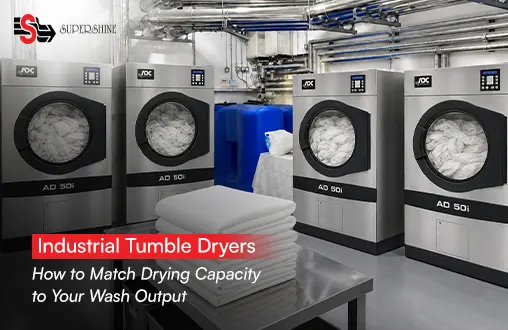
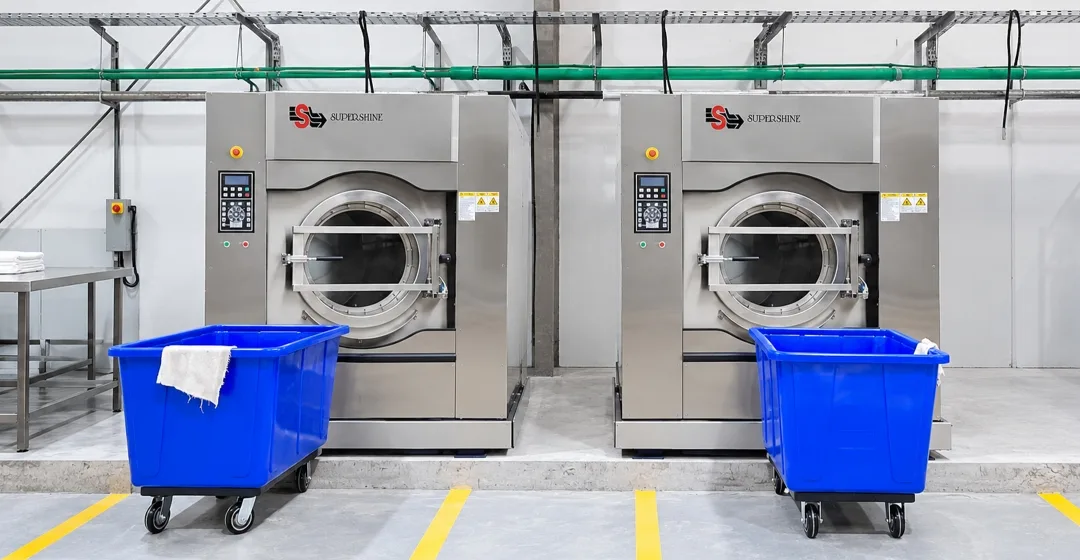
A high G force extractor washing machine can leave linen noticeably drier than a basic one. That shortens each commercial laundry dryer cycle, saves fuel and often lets you run fewer dryers. In some plants, upgrading the extraction side alone solves a drying backlog.
Think about batch flow
Capacity is not only machine size. It is also rhythm.
- If you have one large washer and one large dryer, loads move in single blocks. Any delay stops everything.
- Several smaller machines let you stagger loads, which smooths the flow and keeps dryers busy.
- Tunnel washers with a press and dryer line behave differently, since they feed continuously.
For hotels with fluctuating volume, a mix of sizes often works better than one big machine.
Consider the finishing side too
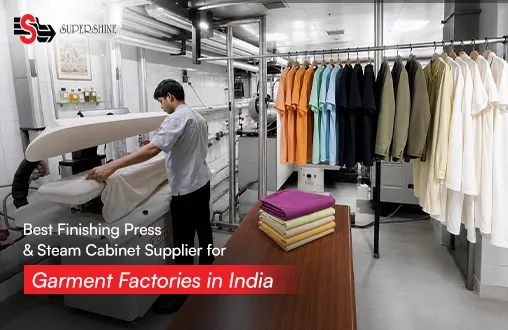
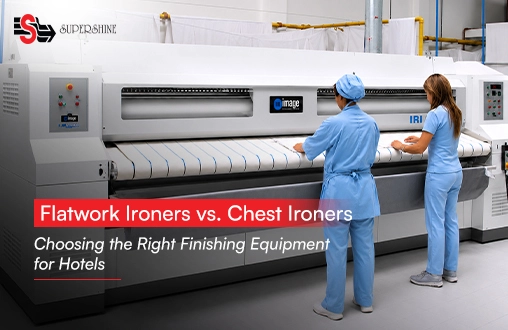
Towels and sheets leaving the dryer still need folding or ironing. A flatwork ironer that processes 150 kg an hour will choke a plant that washes 300. Check every stage from soiled sorting to clean storage.
Signs you already have a mismatch
- Wet linen waiting in trolleys beside the dryers
- Washers finishing cycles and sitting idle
- Dryers running non stop while washers rest
- Staff moving linen between machines to find a free dryer
- Rising gas, steam or power bills with no volume increase
Test it before you buy
Ask the supplier for cycle times on your own linen, not a standard test load. Then time a real batch. Record how long the washer takes, how wet the linen is when it leaves, and how long the dryer needs. Draw the flow on a single sheet of paper with minutes against each machine. The longest block is your bottleneck, and the fix usually becomes obvious. Supershine Laundry can help model these cycle times using your own linen mix.
Remember to retest after any change. Switching detergent, linen supplier or spin speed can shift drying times enough to move the bottleneck to a different machine. Keep a note of the results, because they also help when you add a machine later.
How we handle it at Supershine Laundry
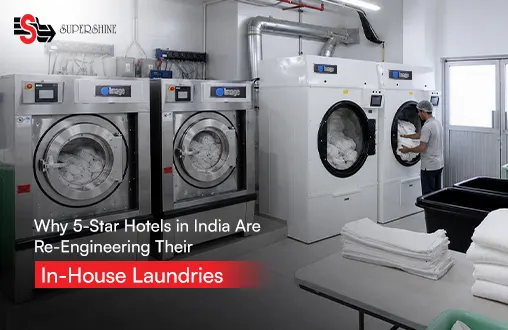
We study your linen types, hours and utilities, then map each machine to the next. Whether the commercial washer and dryer line includes Milnor washer extractors, ADC dryers or Image finishing equipment, we simulate the flow before anything is ordered. After installation we train your operators so the balance holds on a busy Monday, not just on commissioning day.