+91-124-4807600
 contact@supershine.in
How Does a Railway BOOT Laundry Contract Work in India?

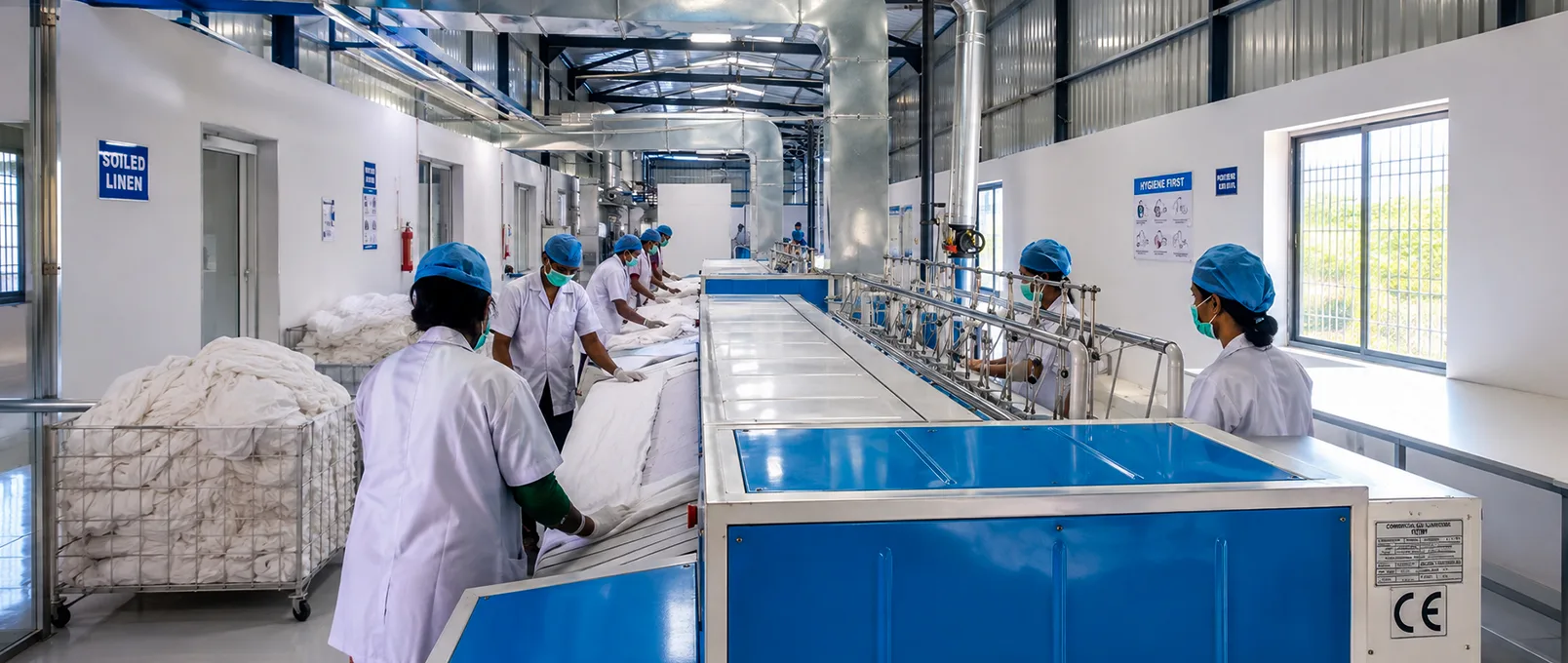
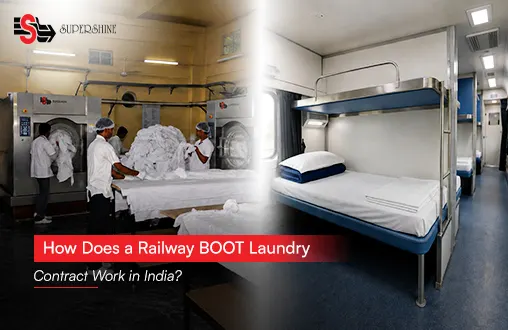
A Railway BOOT (Build-Own-Operate-Transfer) laundry contract is an arrangement where a private company sets up a mechanized laundry facility on railway land, owns and runs it for a fixed period (usually 10 years), processes linen for a guaranteed minimum workload during that time, and then transfers the completed facility back to Indian Railways at the end of the term. It's essentially how Indian Railways outsources its linen washing without having to build or staff the plant itself. The zones handle the tendering, the private operator handles the equipment and daily operations, and everyone's incentives are supposedly aligned by contract.
If you've ever wondered which company operates railway laundry contracts, the honest answer is: it varies by zone. There isn't one single national operator. Each railway zone, Western Railway, South Central Railway, Northern Railway, and so on, runs its own tender process under Railway Board guidelines, and the winning bidder for, say, Kacheguda's mechanized laundry might be a completely different company than the one running Secunderabad's. What stays consistent across zones is the contract structure itself, and the kind of equipment these facilities need to actually deliver on their promised capacity.
The Basic Structure of a Railway BOOT Laundry Deal
Here's how it typically plays out. Railway Board or a zonal railway issues a tender specifying the required daily washing capacity (this could be anywhere from 2 tonnes to 12 tonnes a day, depending on the depot). Private companies bid for the right to build and run the facility. The winning bidder invests in the land development, machinery, and manpower, and in return gets a guaranteed workload, commonly around 75% of the rated capacity, from the railway for the length of the contract, which is usually a decade.
That guarantee matters a lot. It's what makes the economics work for the operator, since laundry equipment is a serious capital investment and you need predictable volume to justify it. Without that assurance, few companies would take on the upfront cost of setting up a full mechanized laundry.
A few real examples give a sense of scale. Western Railway's mechanized laundry facilities run at roughly 3 tonnes per day capacity. Kacheguda's laundry, under South Central Railway, is built for around 12 tonnes daily, a genuinely large operation. Secunderabad's facility sits at about 2 tonnes a day. Across the entire Indian Railways network, total linen processing adds up to something like 435 tonnes per day, spread across dozens of these mechanized depots of varying size.
Why Equipment Choice Makes or Breaks These Contracts
This is the part operators sometimes underestimate. Winning the tender is only step one. Actually hitting the guaranteed output, day after day, for ten years straight, without breakdowns eating into your margins, comes down almost entirely to the machinery you install.
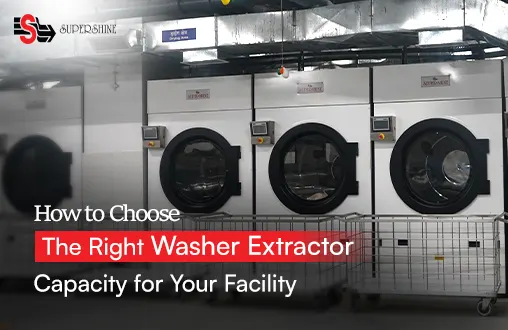
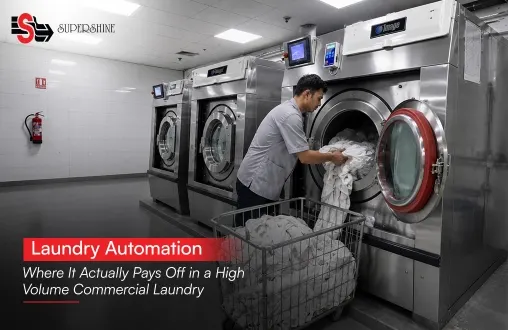
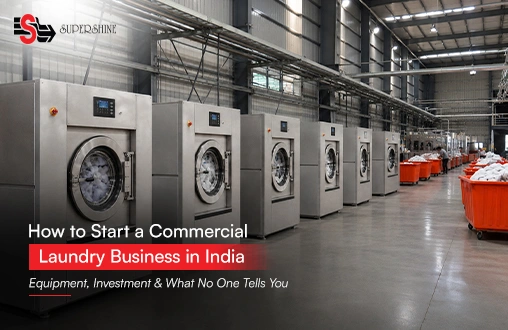
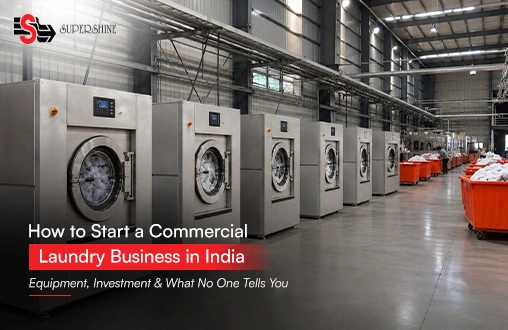
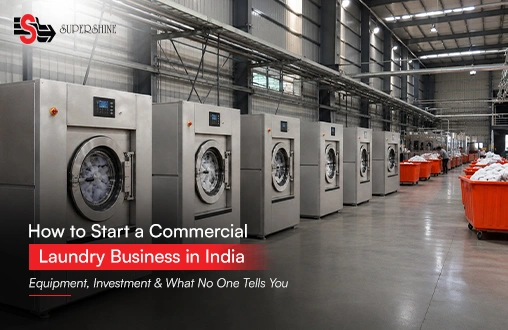
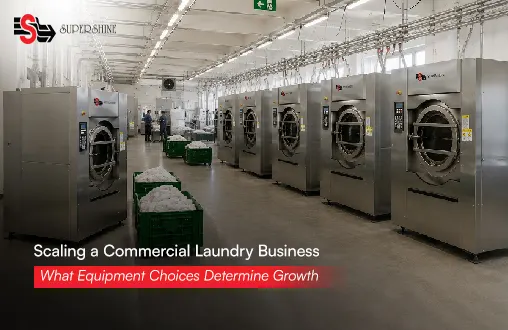
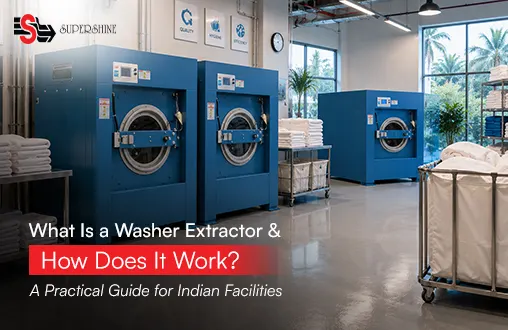
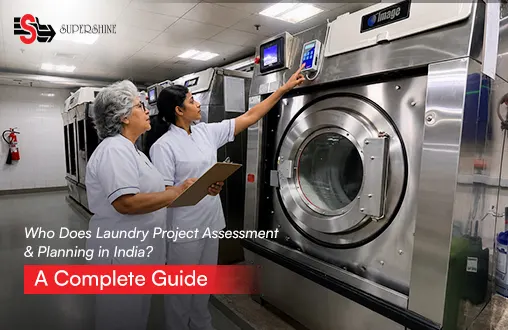
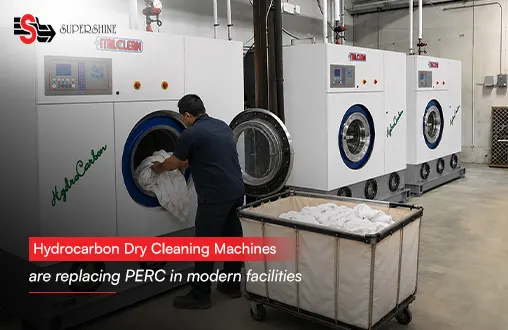
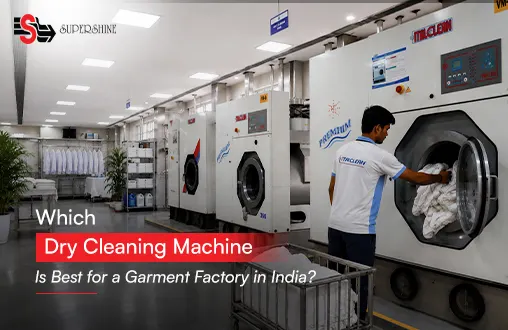
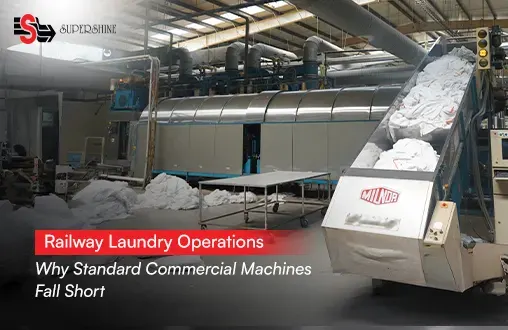
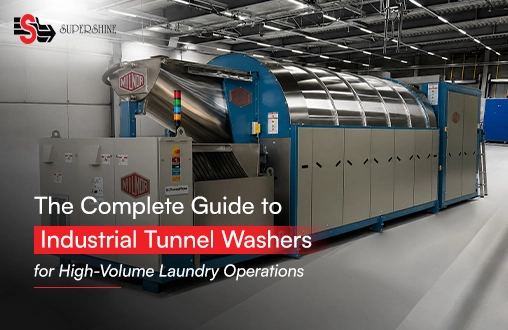
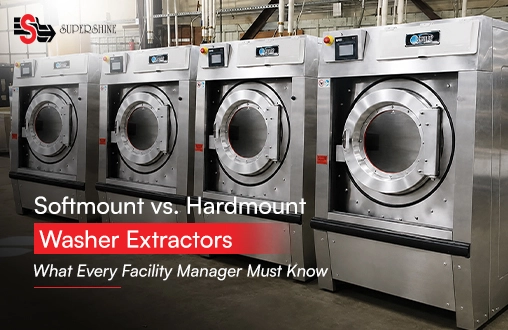
A railway laundry isn't washing hotel bedsheets in small batches. It's processing heavily soiled linen (think berth covers, pillow covers, blankets) at industrial volume, often on tight turnaround windows tied to train schedules. That demands genuinely rugged railway grade laundry solutions, not standard commercial machines stretched past their comfort zone. Washer extractors need to handle high-soil loads reliably. Tumble dryers need to keep pace without excessive downtime. And the whole line needs to be engineered as a railway grade laundry system, meaning washers, extractors, dryers, and finishing equipment that are sized and sequenced correctly for the depot's actual daily volume, not just individually capable machines bolted together.
This is where a lot of operators run into trouble, honestly. They win the tender, then realize partway through installation that their machine selection doesn't match the guaranteed workload clause, and suddenly they're short of capacity during peak periods. Getting the equipment sizing right at the planning stage saves years of headaches later.
What Goes Into Setting Up the Facility
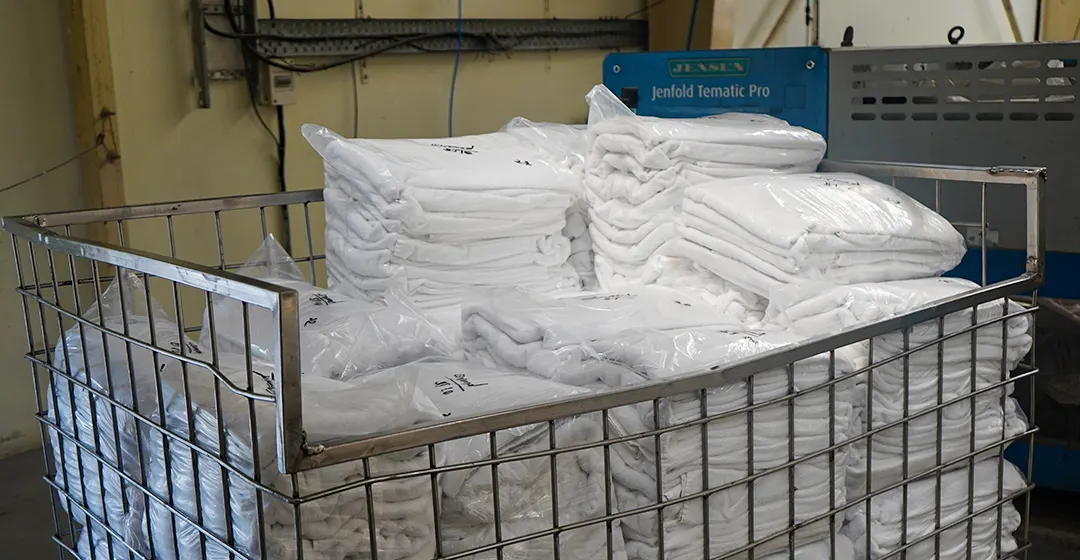
Once a contract is awarded, the operator typically needs to move through several stages: site preparation (water supply, effluent treatment, power load calculations), equipment procurement and installation, commissioning and trial runs, and then staff training before full operations begin. None of this happens overnight, and railway depots often have specific space and utility constraints that off-the-shelf laundry layouts don't account for.
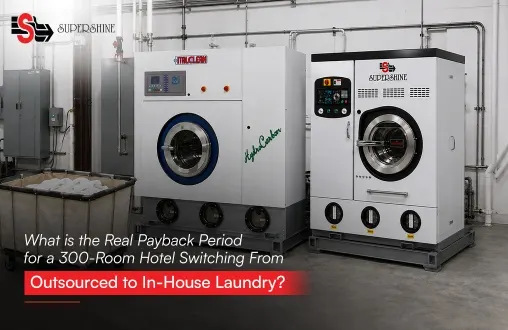
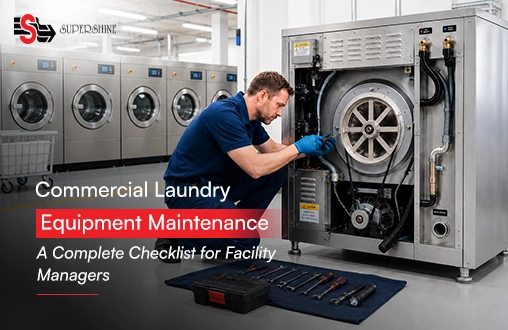
Selecting the right railway laundry washing machines for this kind of setup means thinking about soil levels, water hardness in the specific region, energy costs over a 10-year horizon, and serviceability (because when a machine goes down at a depot processing 12 tonnes a day, every hour of downtime is a real problem, not a minor inconvenience).
Where Supershine Fits Into This Picture
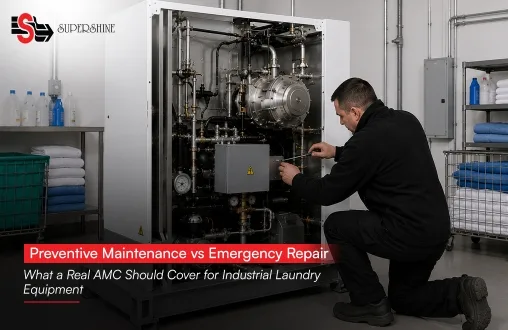
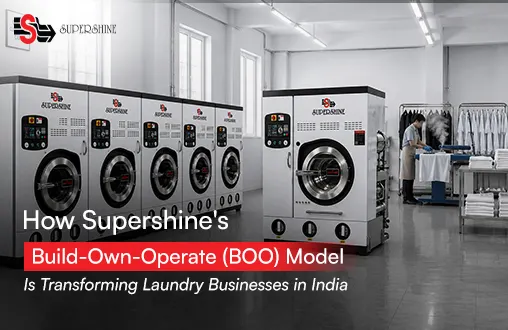
This is exactly the kind of project Supershine Laundry has spent over three decades getting good at. With more than 1,500 installations across hotels, hospitals, and industrial facilities, Supershine understands what it takes to build a laundry operation that has to hit guaranteed numbers, not just look good on paper. For companies bidding on or already running a railway BOOT contract, Supershine Laundry can help with machine selection sized to the actual guaranteed workload, installation and commissioning support, and after-sales service and AMC coverage that keeps a facility running through its full contract term. Given that these are 10-year commitments, having an equipment partner who's still there for service and spares five years in is not a small thing, it's often the difference between a profitable contract and a painful one.
A Quick Word on Guaranteed Workload Clauses
It's worth pausing on the guaranteed workload clause for a second, because it cuts both ways. Yes, the railway guarantees roughly 75% of rated capacity to the operator. But that also means the operator has committed to being able to handle up to 100% of rated capacity when demand spikes, festival season travel, special trains, whatever it might be. Equipment that can only just barely meet the guaranteed minimum isn't going to hold up when the railway actually needs the full capacity. Build in some headroom.
Final Thoughts
Railway BOOT laundry contracts are a solid business opportunity, but they're unforgiving if the equipment side isn't planned properly from day one. If you're evaluating a bid, already running a facility, or just trying to understand what a compliant, capacity-matched setup actually looks like, it's worth having a conversation with Supershine Laundry before you commit to machinery. Sometimes the smartest move is just asking the right questions early.