+91-124-4807600
 contact@supershine.in
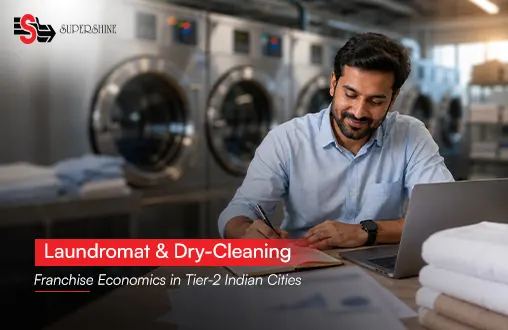
Laundromat and Dry-Cleaning Franchise Economics in Tier-2 Indian Cities

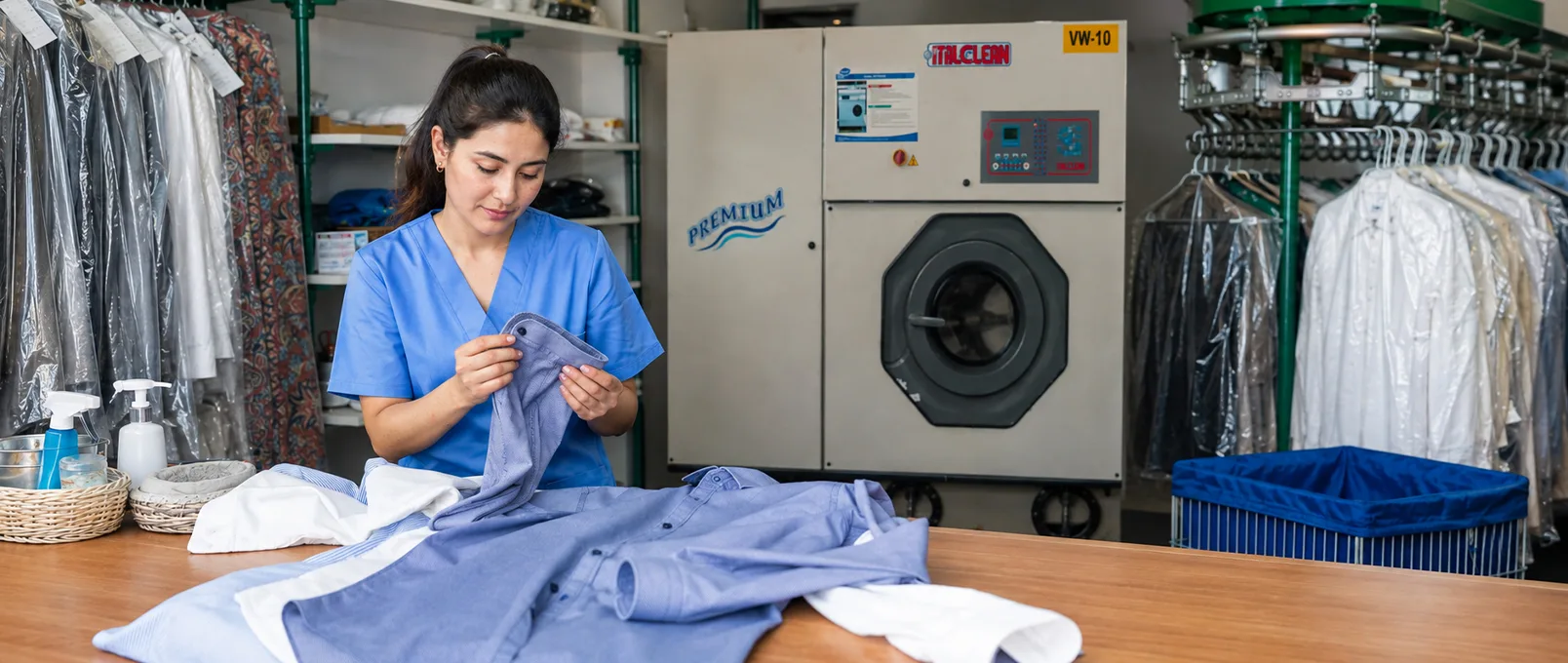
There’s a quiet shift happening in India’s Tier-2 cities. Places like Indore, Coimbatore, Nagpur, and Lucknow are seeing a steady rise in organised laundromat and dry-cleaning franchise openings, and honestly, it makes sense. Lower rent, less saturated competition, and a growing middle class that increasingly values convenience over doing it themselves. But franchise economics here work differently than in a metro, and anyone comparing a dry cleaning washing machine setup against a self-service laundromat model needs to understand exactly how those numbers diverge.
Why Tier-2 Cities Are Actually the Better Bet Right Now
Rent in a Tier-2 city commercial strip can run a fraction of what a similar footprint costs in a metro suburb. That single factor changes the entire margin equation. Data on organised laundry outlets shows staff wages and rent together typically account for 45% to 55% of total costs in Tier-2 markets, notably lower in absolute terms than metro equivalents, even though revenue per outlet is naturally smaller too. The net effect: many Tier-2 franchise operators report stronger margins than their metro counterparts, despite processing less volume overall. Less glamorous, more profitable. That’s usually how it goes with these things.
Dry Cleaning vs Laundromat: Different Capital Requirements
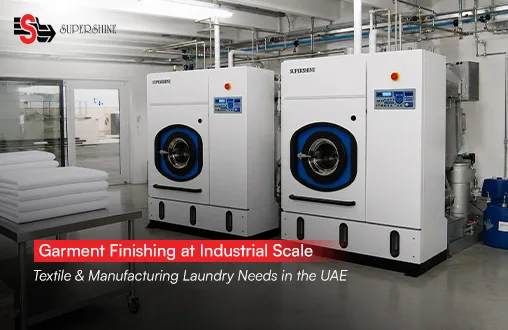
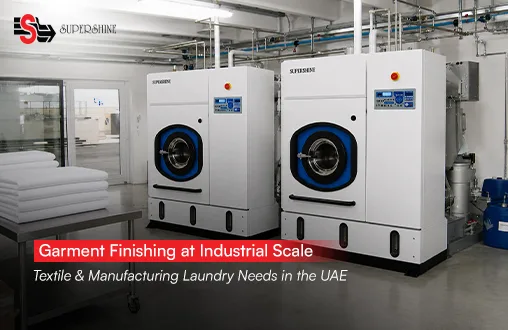
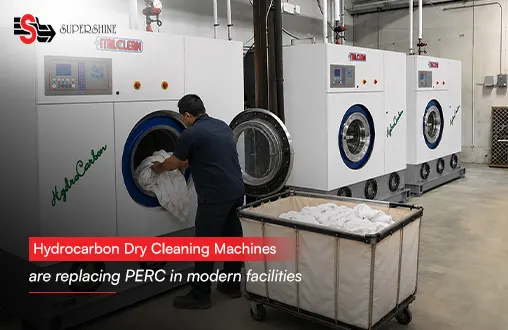
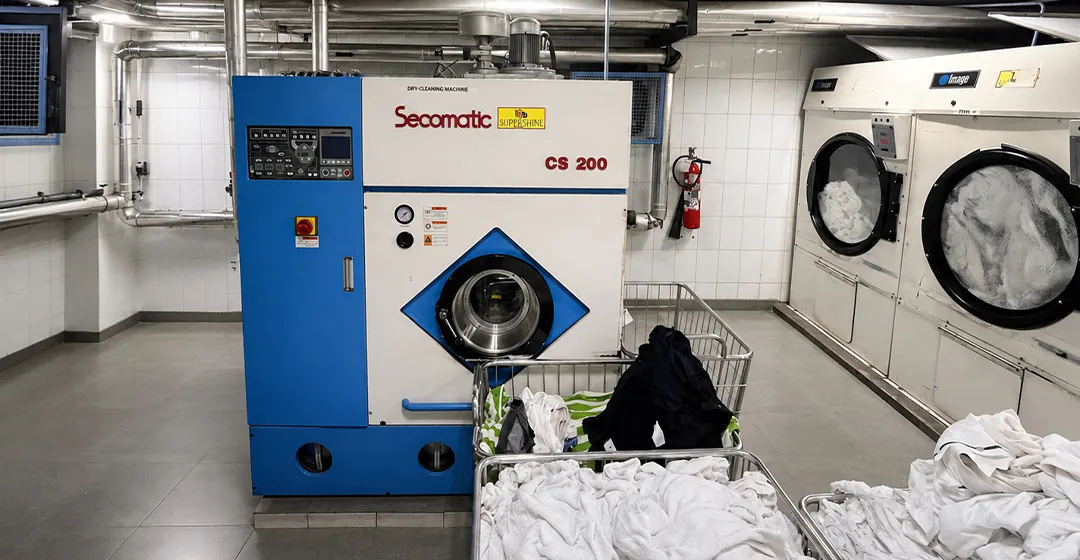
This is where franchise buyers often get their budgeting wrong. A pure self-service laundromat model, built around coin or app-operated laundromat washing machine units, needs relatively predictable, lower-maintenance equipment and can be started with a leaner Rs. 22 to 45 lakh investment for a properly tech-enabled outlet. A dry-cleaning operation is a different beast entirely. It requires a proper commercial dry cleaning machine with solvent handling, filtration, and recovery systems, equipment that costs meaningfully more upfront and demands trained operators, not just a customer swiping a card.
Many franchise formats in Tier-2 cities now combine both services under one roof, offering wash-and-fold alongside garment dry cleaning, which is smart from a revenue-diversification standpoint but means budgeting for two very different equipment categories rather than one.
The Real Cost Drivers Franchise Buyers Underestimate
Setup cost breakdowns for laundry and dry-cleaning franchises in India generally range from Rs. 2 to 5 lakh for a very small operation up to Rs. 8 to 20 lakh for a proper medium commercial setup, and higher still for combined laundromat-dry-cleaning formats. What a lot of first-time franchise buyers miss is that the commercial laundry washing machine they choose determines their ongoing cost structure for the next decade, not just their upfront capital outlay. A machine with poor water extraction means longer, costlier drying cycles. A dry-cleaning unit with inefficient solvent recovery means higher consumable costs every single month. These aren’t small line items when you’re running dozens of cycles daily.
Franchise Revenue Patterns in Smaller Cities
Monthly net profit for franchise-format laundry and dry-cleaning outlets in India has been documented anywhere from Rs. 20,000 to Rs. 1.75 lakh, a wide spread that mostly reflects location quality, service mix, and equipment reliability. A shop processing consistent daily volume with dependable machines simply captures more of that revenue as profit, because unplanned downtime in this business doesn’t just cost you a repair bill, it costs you same-day customers who take their laundry elsewhere and might not come back.
Getting the Equipment Decision Right From Day One
Here’s the honest truth about franchise economics: the franchise brand gets you customers, but the equipment gets you profit. Supershine Laundry has spent 35 years supplying commercial and industrial laundry equipment, including washer-extractors and dry-cleaning systems, to businesses across India, and one thing that comes up constantly in early consultations is how many franchise buyers approach equipment as an afterthought to the franchise agreement itself. Supershine Laundry’s approach is the opposite: understand your city, your projected volume, your service mix (wash-fold, dry cleaning, or both), then recommend machine capacity and configuration that actually matches that reality, rather than whatever the franchise brochure suggests as a default package.
Location Selection Within a Tier-2 City Matters More Than People Expect
Not every neighbourhood in a Tier-2 city offers the same economics, and this is a detail that trips up a lot of first-time franchise buyers. A location near a large residential complex, a college hostel cluster, or a busy commercial strip with working professionals tends to deliver far more consistent footfall than a quieter suburban stretch, even within the same city. Franchise operators who skip proper footfall and demographic research in favour of “wherever rent looks cheapest” often find themselves with a well-equipped outlet and not enough daily volume to justify the machine capacity they bought.
It’s also worth thinking about proximity to your target customer segment specifically. A dry-cleaning-heavy format does better near offices and upscale residential areas where formal wear and delicate garments are common, while a wash-and-fold laundromat format tends to thrive near hostels, PG accommodations, and smaller apartments where in-home laundry setups are less common. Matching your service mix and equipment choice to the actual neighbourhood you’re opening in, rather than a generic franchise template, is often what separates a genuinely profitable outlet from one that’s merely surviving.