+91-124-4807600
 sales@supershinelaundry.ae
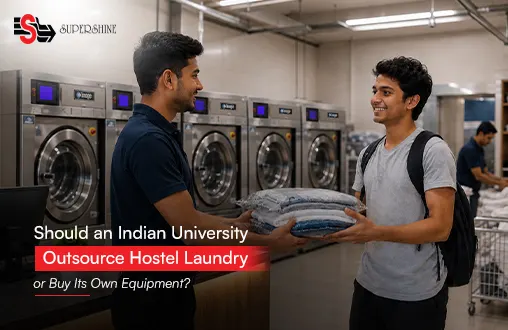
Should an Indian University Outsource Hostel Laundry or Buy Its Own Equipment?

Most Indian universities are better off financially buying their own commercial laundry equipment rather than outsourcing hostel laundry long-term, because outsourcing typically costs 3 to 5 times more over a multi-year horizon once you account for ongoing service fees, compared to running an in-house setup with equipment that lasts 15 to 20 years. That's the short answer. But like most procurement decisions, the right call depends on your hostel's scale, budget cycle, and how hands-on your facilities team wants to be.
If you're trying to figure out what is included in an industrial laundry setup before making this decision, you're asking the right question, because the answer shapes the entire cost comparison. Let's break it down properly.
The Real Cost Comparison: Outsourcing vs. Owning
Outsourcing feels easier upfront. No capital expenditure, no maintenance headaches, just a monthly or per-kilo service fee. But here's the thing about outsourcing costs: they don't stay flat, and they compound over years in a way that in-house ownership simply doesn't.
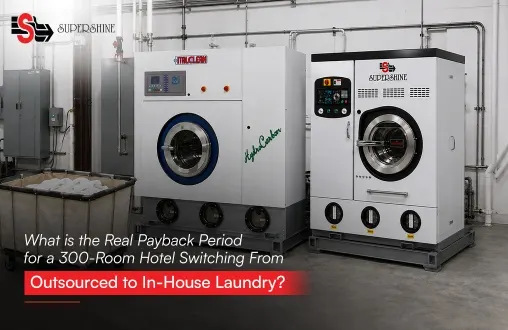
Research on institutional laundry economics suggests outsourcing typically runs 3 to 5 times more expensive over time compared to owning and operating your own equipment. Why such a big gap? Outsourced laundry services build in their own equipment depreciation, labor costs, transport logistics, and profit margin into every invoice, year after year, for as long as the contract runs. When a university owns its equipment outright, most of those costs get paid once (or financed over a shorter period) and then the ongoing expense drops to utilities, consumables, and routine maintenance.
Given that commercial-grade washing machines used in institutional settings typically have a service life of 15 to 20 years, the math tends to favor ownership pretty heavily once you're running the numbers over a full decade or more, which is exactly the horizon most university facilities planning should be thinking in anyway.
What Is Included in an Industrial Laundry Setup?
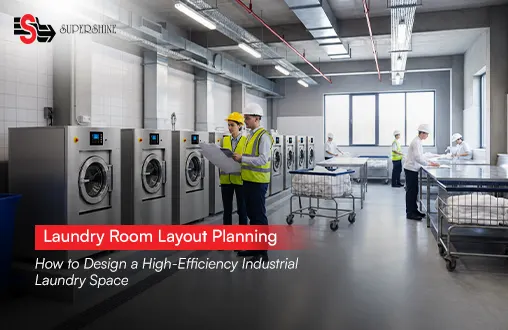
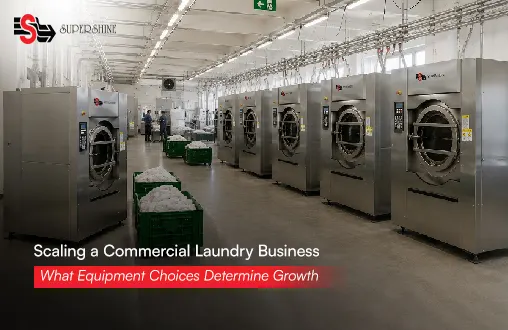
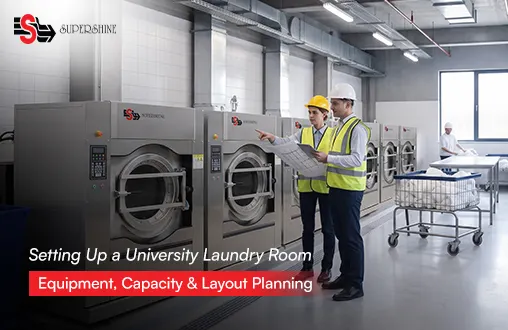
This is worth spelling out clearly, because "buying equipment" isn't really a single purchase, it's a small project. A proper industrial laundry setup for a university hostel generally includes:
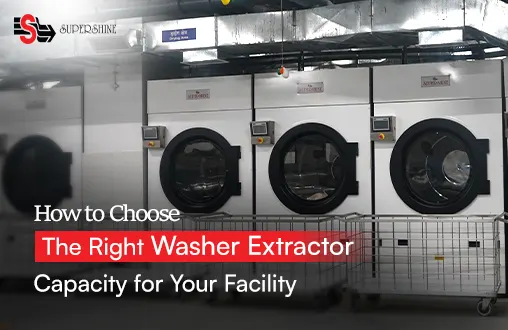
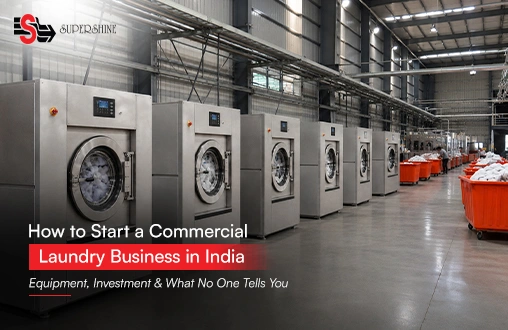
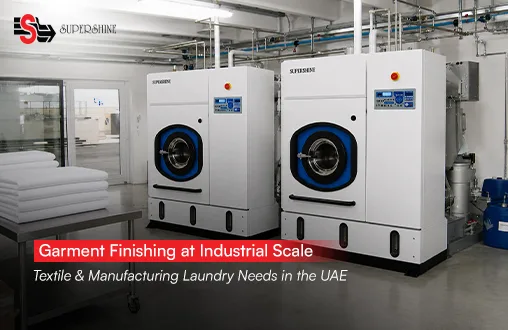
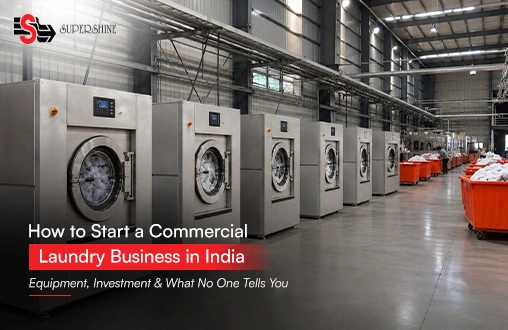
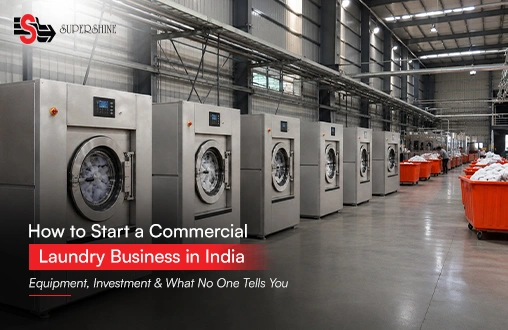
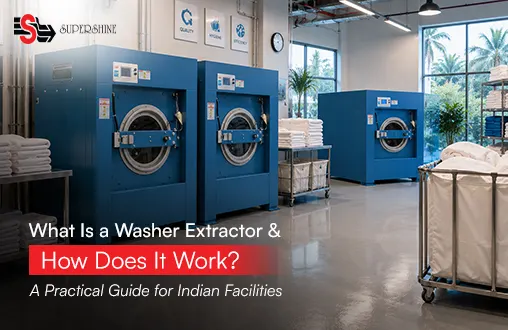
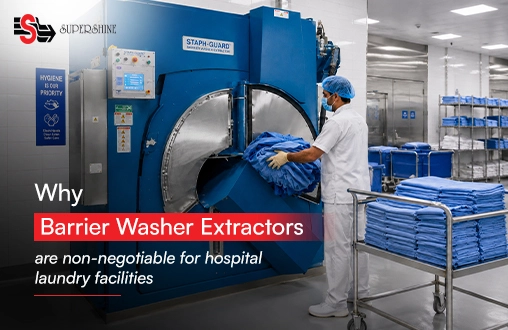
- Washer extractors sized to your hostel's daily linen and clothing volume
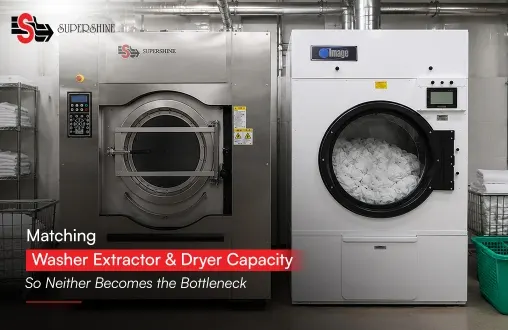
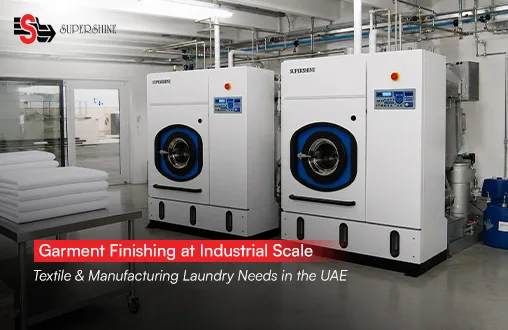
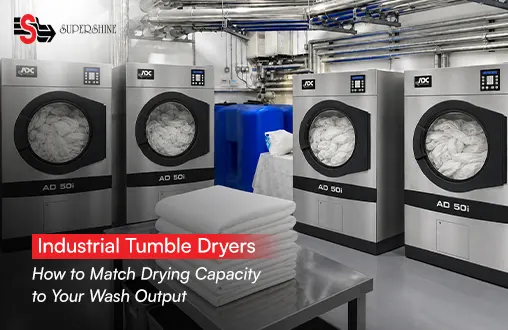
- Tumble dryers matched to washing capacity (undersized dryers create bottlenecks fast)
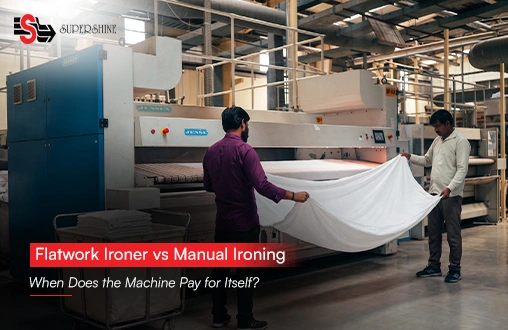
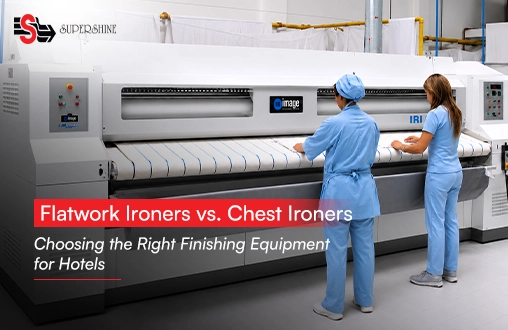
- Flatwork ironers or finishing equipment if the university processes bedding or uniforms at scale
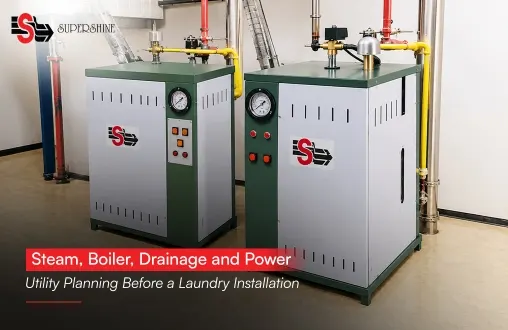
- Site planning for water supply, drainage, and electrical load
- Installation and commissioning
- Staff training
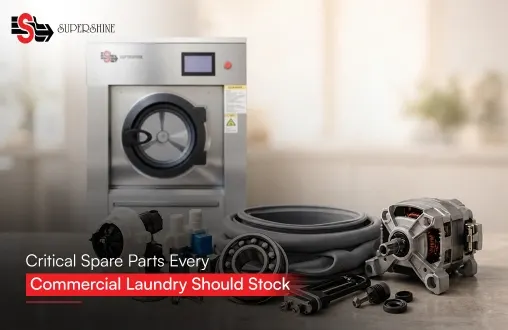
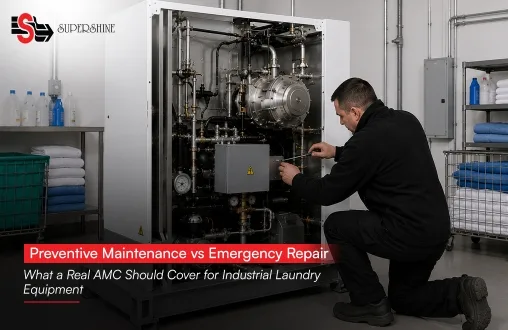
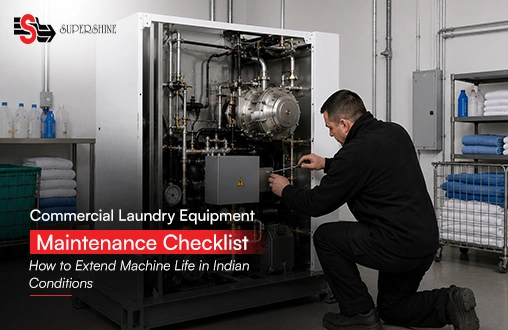
- Ongoing maintenance support and spare parts access (AMC)
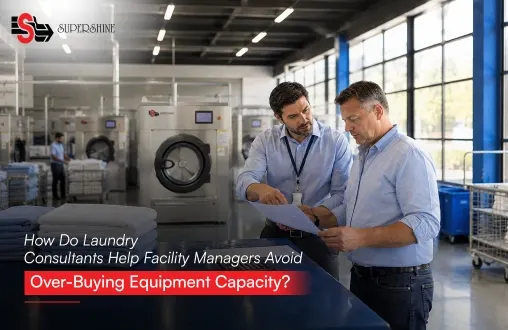
Universities that skip the planning stage and just buy machines based on price alone often end up with capacity mismatches, a washer that outpaces the dryer, or a facility that runs fine in year one but strains once student enrollment grows. Proper planning up front avoids that.
Choosing the Right University Laundry Machines
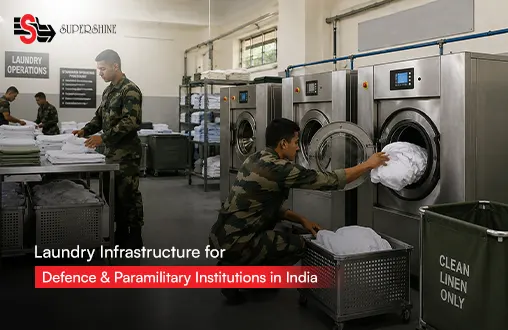
Not all commercial machines are built the same, and hostel laundry has its own particular demands. You're not processing hotel linen sheets in tidy uniform loads, you're processing a genuinely messy mix of student clothing, bedding, and towels, often with inconsistent soil levels and volume that spikes around exam periods and holidays.
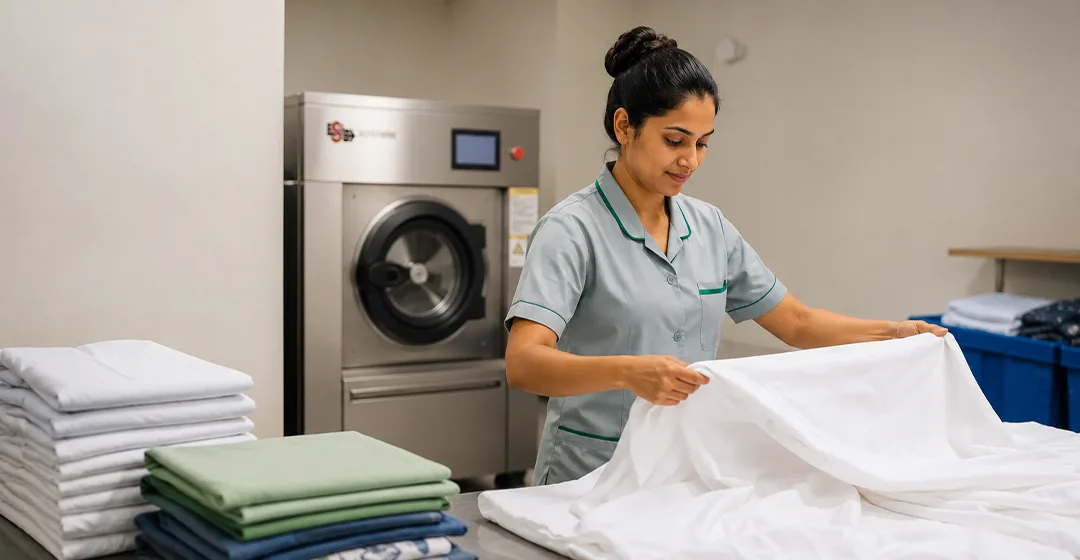
Selecting the right university laundry machines means thinking about actual daily throughput (not theoretical maximum capacity), water and energy efficiency given that these machines will run daily for close to two decades, and durability under continuous, sometimes rough, student use. Good laundry machines for university hostels should be rugged enough to handle high-frequency cycling without constant breakdowns, because a broken machine mid-semester with 200 students waiting isn't just an inconvenience, it's a genuine facilities crisis.
For universities specifically, a well-sized commercial washing machine for university hostel use also needs to account for peak demand periods. A machine that comfortably handles average daily load might buckle during move-in week or exam season when everyone's doing laundry at once.
The Self-Service Trend Worth Knowing About
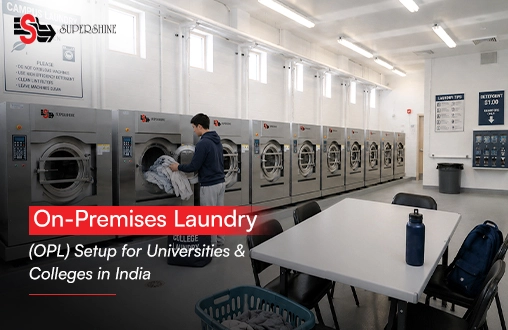
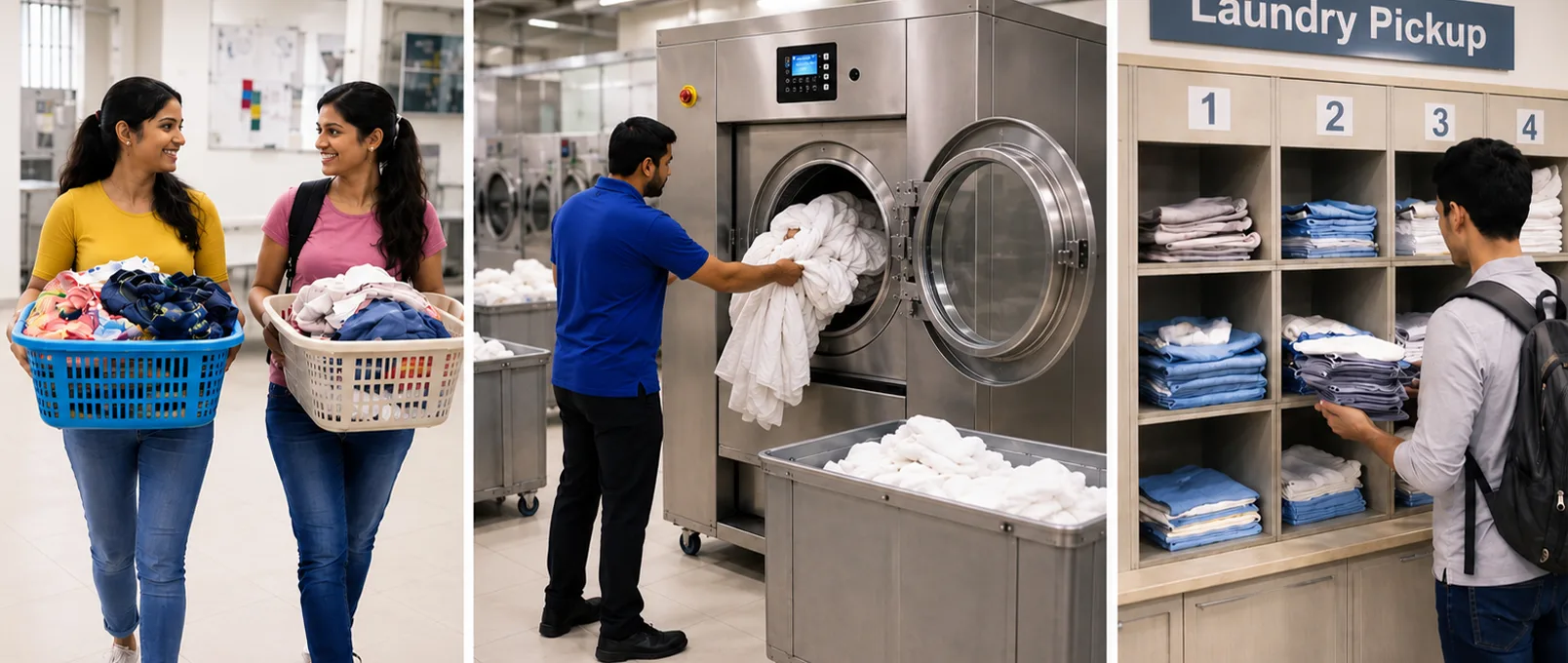
Here's something worth mentioning: there's a growing trend of QR-code-based, self-service laundry systems being installed at IITs and NITs across India. These setups give students pay-per-use access to washing machines without requiring staffed laundry rooms, which cuts operational overhead considerably while still giving the university direct control over equipment quality and service standards. It's a smart middle path for institutions that want ownership benefits without the staffing burden of a fully managed in-house laundry.
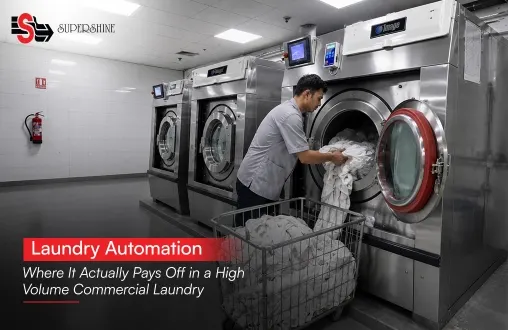
This kind of automation, laundry automation solutions, essentially, is worth exploring for any university weighing this decision, because it changes the labor cost side of the ownership equation quite favorably.
Budgeting for the Transition, Not Just the End State
One thing university facilities teams often underestimate is the transition period itself, the gap between deciding to move away from an outsourced contract and having in-house equipment fully commissioned and running smoothly. It's worth planning this changeover during a semester break rather than mid-term, and building in a short overlap period where the outsourced service continues briefly while the new equipment is being installed and staff are trained. Rushing this transition to save a few weeks often costs more in disruption than it saves in contract overlap fees.
Where Supershine Laundry Comes In
Supershine Laundry has worked with educational institutions across India for over three decades, helping universities move from outsourced arrangements to properly planned in-house laundry facilities. With more than 1,500 installations completed across hotels, hospitals, and institutional clients, Supershine understands the specific demands of hostel-scale laundry, including how to size equipment for fluctuating student volume and how to plan for a 15 to 20 year equipment lifespan rather than just the next budget cycle.
For universities weighing this decision, Supershine Laundry can walk through consultation, equipment selection matched to actual hostel population and usage patterns, installation, and after-sales AMC support, so the switch from outsourcing to ownership doesn't become its own headache.