+91-124-4807600
 sales@supershinelaundry.ae
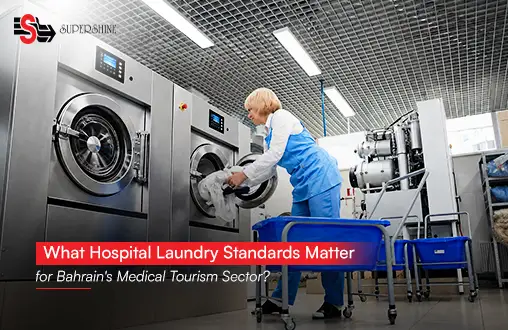
What Hospital Laundry Standards Matter for Bahrain's Medical Tourism Sector?

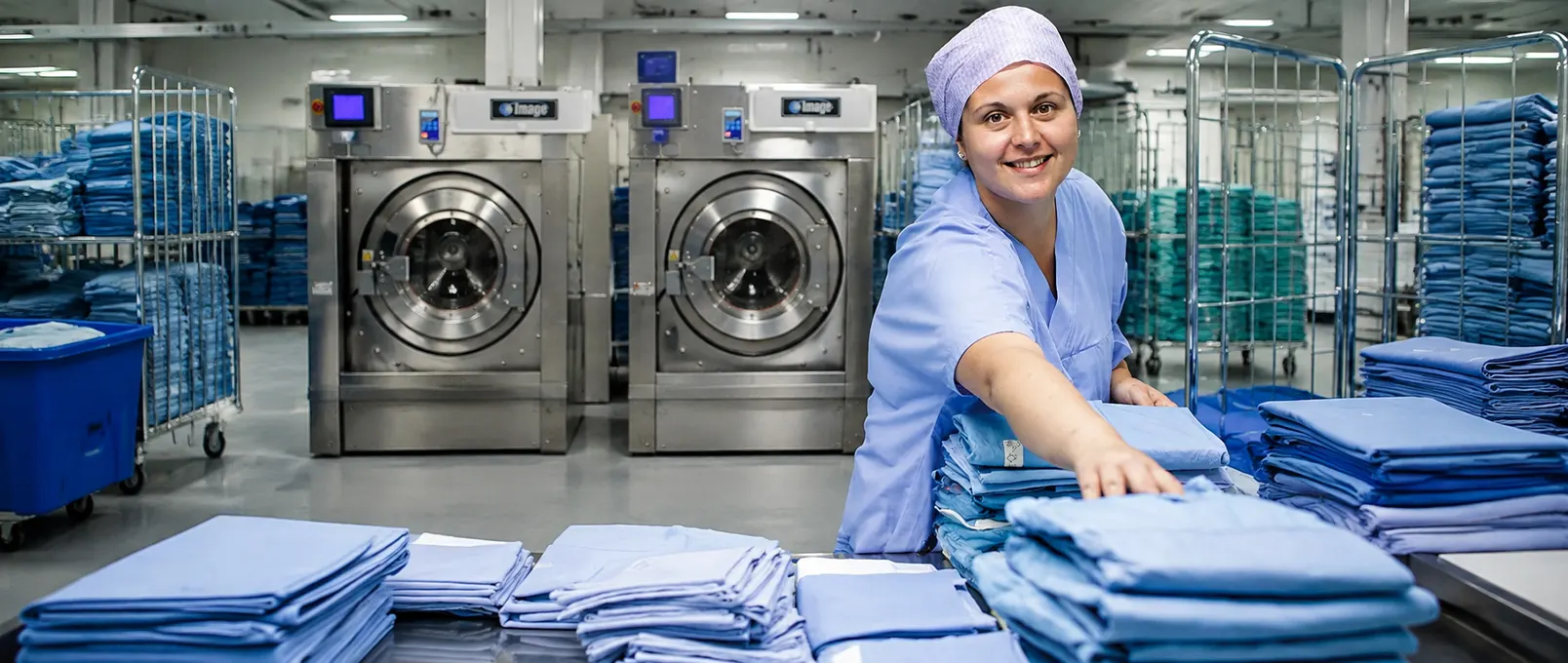
For hospitals serving Bahrain's medical tourism patients, the laundry standards that matter most come down to one thing: reliable thermal and chemical disinfection that meets internationally recognized infection control benchmarks, typically washing at a minimum of 71°C (160°F) for at least 25 minutes, combined with proper handling protocols that prevent cross-contamination between soiled and clean linen. For a sector built on attracting international patients who expect the same hygiene standards they'd find at home, there's genuinely no room to cut corners here.
Bahrain's medical tourism industry, while smaller than giants like the UAE or Saudi Arabia in the Gulf, is a real and growing niche, valued at around $350 million with an estimated 25% increase in medical tourists expected in the coming years. International patients currently make up roughly 5% of Bahrain's overall healthcare market, a modest slice but a strategically important one, since these patients are often choosing between multiple countries and comparing standards closely.
Why Hospital Linen Is a Bigger Infection Control Issue Than People Assume
It's easy to think of hospital laundry as a background operational task, somewhere between housekeeping and facilities management. It isn't. Contaminated linen is a genuine transmission route for hospital-acquired infections (HAIs), and dangerous pathogens like MRSA can survive on fabric surfaces for weeks if processing isn't done correctly. That's not a scare tactic, it's simply the reality behind why laundry protocols in accredited hospitals are so specific.
A hospital laundry system isn't just a bigger version of a hotel's laundry setup. It requires a combination of thermal disinfection, appropriate chemical dosing, and mechanical action, all working together, plus strict separation between the "dirty" and "clean" sides of the process to avoid recontamination.
Bahrain's Growing Hospital Infrastructure
Bahrain has invested meaningfully in private hospital infrastructure to support its medical tourism ambitions. King Hamad American Mission Hospital, which opened in 2023 as a 125-bed facility designed with a five-star hospitality feel, became the first hospital in Bahrain to join the Mayo Clinic Care Network, a meaningful signal of the clinical standards the country is aiming for. The broader American Mission Hospital system has served Bahrain for over 120 years across five locations. On the public side, Salmaniya Medical Complex remains the country's largest hospital, with around 1,000 beds acting as the main referral center nationally.
Facilities operating at this level, especially ones actively marketing to international patients, can't afford laundry practices that lag behind their clinical reputation. A hospital with cutting-edge cardiology or IVF services but substandard linen processing is one infection control lapse away from a reputational disaster that undoes years of brand building.
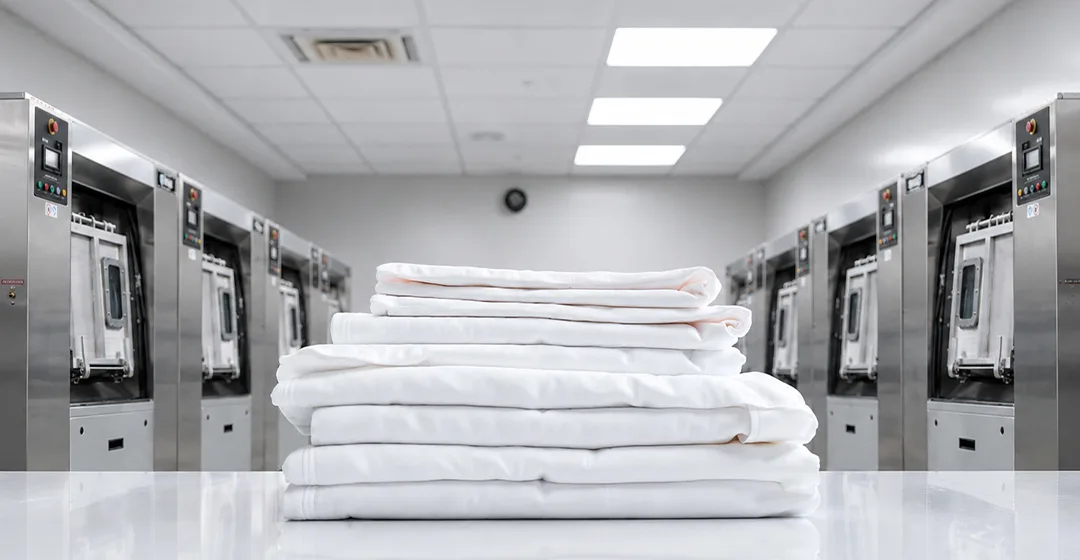
Barrier Washers: The Gold Standard for Cross-Contamination Prevention
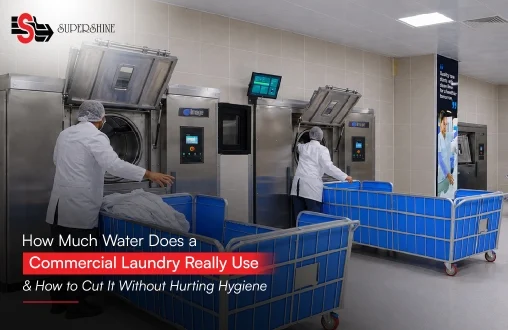
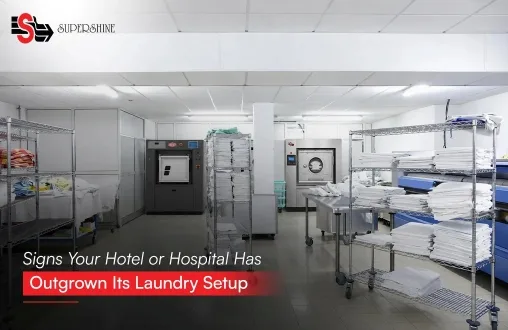
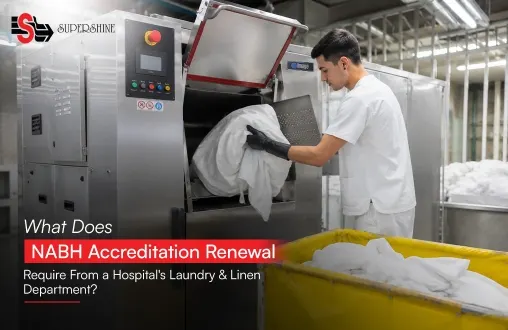
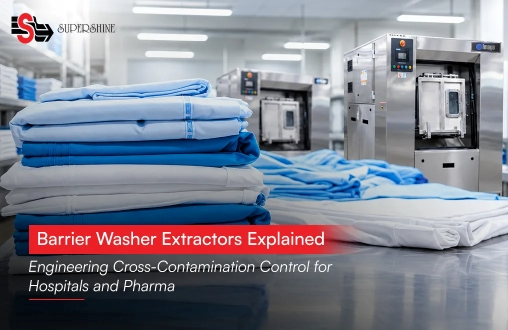
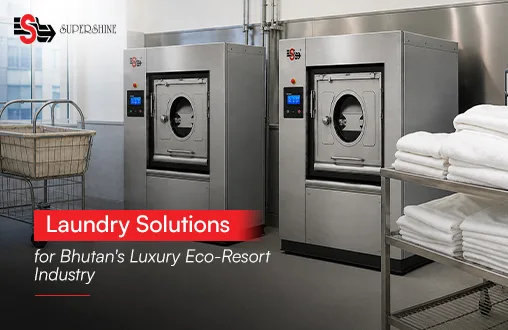
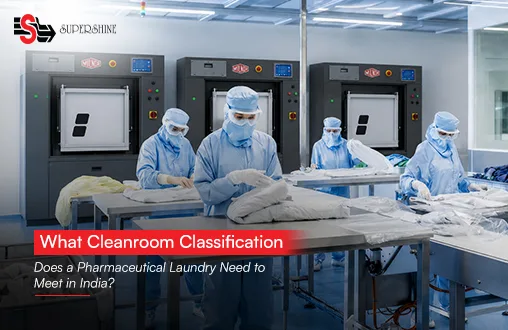
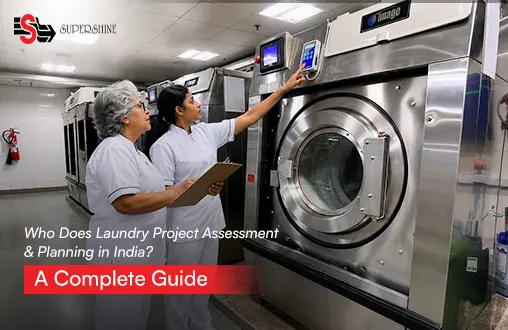
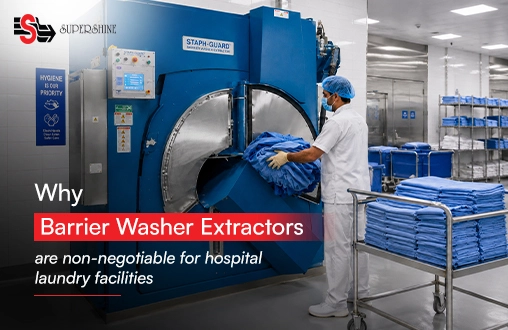
One piece of equipment that comes up constantly in serious hospital laundry conversations is the barrier washer. These machines are physically built into a wall between two rooms, so staff load contaminated linen from the "dirty" side and unload clean, disinfected linen from the opposite side. There's no way for the two to cross paths, which eliminates one of the more common failure points in hospital laundry hygiene: cross-contamination from careless handling.
This kind of separation is increasingly viewed less as a nice-to-have and more as a baseline expectation for any serious hospital laundry machines setup, particularly for facilities handling higher patient volumes or specialized units like surgical recovery and infectious disease wards.
Thermal Disinfection: Getting the Basics Right
The CDC's long-standing guidance (and the benchmark most infection control programs still reference) calls for washing at a minimum of 71°C for at least 25 minutes as the thermal disinfection standard. This isn't arbitrary. It's the temperature and duration combination proven to inactivate the pathogens most commonly associated with healthcare settings. Effective processing really needs all three factors working together: heat, appropriate chemical disinfectant dosing, and mechanical agitation. Skip any one of the three and the whole disinfection process becomes unreliable, regardless of how good the machine's spec sheet looks.
This is really the core of what buyers should mean when searching for the best infection-control laundry equipment: not a single magic feature, but a system engineered to consistently deliver all three factors together, cycle after cycle, without drift.
What This Means for Equipment Selection
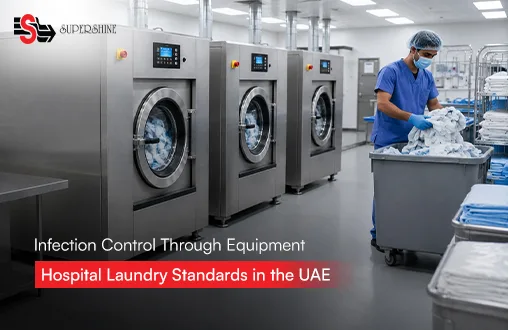
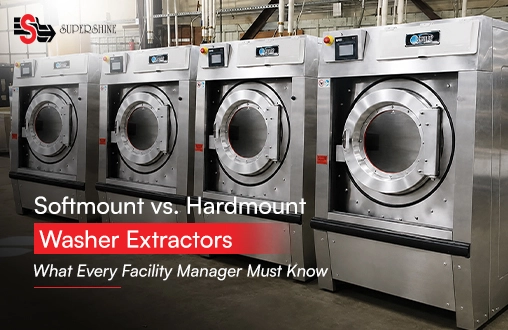
Hospitals sourcing a commercial washing machine for their laundry department (as opposed to a general facilities purchase) need to think beyond capacity and price. Key considerations include programmable disinfection cycles that reliably hit temperature and dwell time targets, corrosion-resistant construction suited to frequent use of disinfectant chemicals, and separation design (whether barrier washers or a physically segregated dirty-to-clean workflow) that prevents recontamination.
For laundry machines for hospital settings specifically serving medical tourism patients, there's an added dimension too: consistency. International patients and their referring physicians abroad expect the same standard every single time, not "usually good" performance. That consistency has to be engineered into the equipment and the process, not left to staff discipline alone.
Staff Training Is Part of the Equipment Decision
It's worth remembering that even the best-specified barrier washer doesn't run itself. Staff need clear protocols for sorting linen by contamination risk, loading correctly on the dirty side, and never crossing between zones even under time pressure during a busy shift. Hospitals that pair strong equipment with thin training programs often see compliance drift over time, small shortcuts that seem harmless until an infection control audit flags a pattern. A good equipment supplier should offer commissioning support that includes proper staff orientation, not just a delivery and a manual.
Where Supershine's Healthcare Experience Comes In
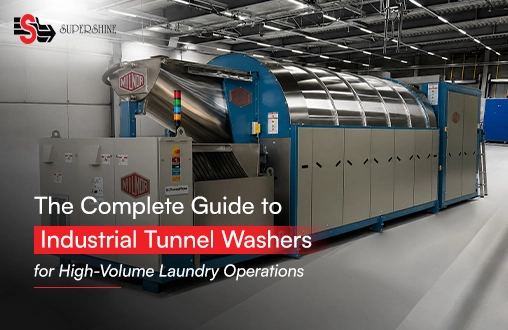
Supershine Laundry has worked with hospitals as one of its core client segments for over three decades, alongside hotels, garment manufacturers, and defence institutions, bringing equipment lines like Milnor and Italclean into healthcare laundry setups across the region. For Bahraini hospitals investing in medical tourism infrastructure, getting the laundry system specified correctly (disinfection cycle programming, barrier design, proper capacity for patient volume) from the planning stage onward matters just as much as the clinical equipment upstairs. Supershine's turnkey approach, covering assessment, installation, commissioning, and after-sales support, is built around exactly this kind of high-stakes, zero-tolerance-for-failure environment.
A Conversation Worth Having Early
If your hospital is investing in medical tourism infrastructure or upgrading an existing laundry department, the laundry system deserves the same planning rigor as any clinical department, not an afterthought bolted on once construction is nearly done. Supershine's team has spent over 35 years helping hospitals get exactly this right, and a proper consultation at the planning stage tends to prevent expensive retrofits later.