+91-124-4807600
 sales@supershinelaundry.ae
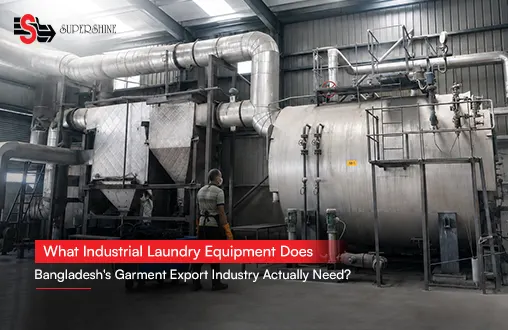
What Industrial Laundry Equipment Does Bangladesh's Garment Export Industry Actually Need?

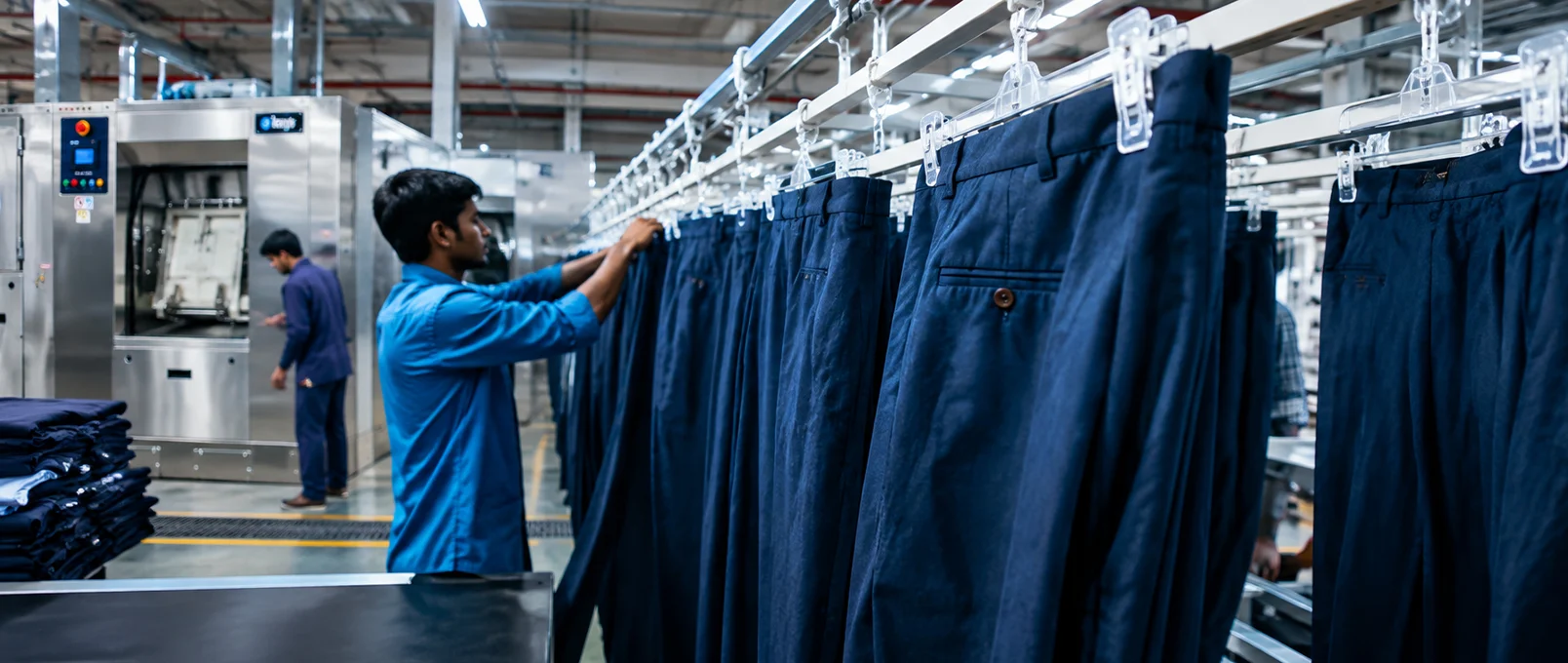
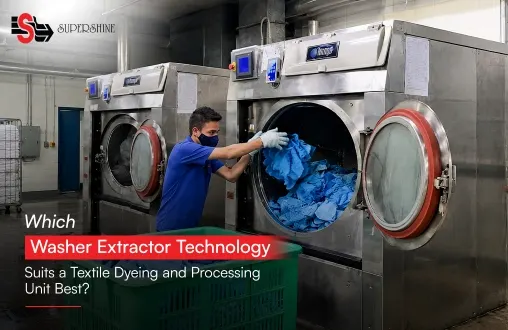
Bangladesh's garment export factories need a specific combination of industrial laundry equipment: high-capacity washer extractors and specialized garment washing machines for denim and fabric treatment, tumble dryers matched to washing volume, flatwork and garment finishing equipment for export-grade pressing, and in many cases, dry cleaning equipment for delicate or embellished pieces that can't go through a standard wet wash. Given that Bangladesh exported roughly $39.35 billion worth of ready-made garments in the last fiscal year alone, with 2025 calendar-year exports expected to cross $50 billion for the first time, this isn't a small industry improvising with basic equipment. It runs on serious, purpose-built machinery.
Let's get into what that actually looks like on a factory floor, because "industrial laundry" means something quite different here than it does in a hotel or hospital context.
The Scale We're Actually Talking About
Bangladesh is the world's second-largest apparel exporter after China, holding roughly 6.9% of the global apparel market. Ready-made garments (RMG) account for about 81.5% of the country's total merchandise exports and contribute close to 8.5% of national GDP. The European Union alone takes in just over 50% of Bangladesh's RMG exports (around $19.71 billion), with the United States, the United Kingdom, and Canada making up most of the rest.
Numbers like that mean thousands of factories running washing, finishing, and quality control processes simultaneously, often on tight buyer deadlines with zero tolerance for defects. When a global fashion brand places an order, they're not just checking fabric quality, they're auditing the entire finishing process, and laundry equipment sits right in the middle of that.
Denim Washing: A Specialized World of Its Own
Denim washing deserves its own mention because it's genuinely a distinct discipline within garment finishing, not just "washing but with jeans." Bangladesh has built a substantial denim washing sector, with established plants like Ha-Meem Washing Plant (running seven facilities with a combined capacity of around 300,000 pieces per day using imported Italian machinery), DIRD Washing Plant, and Sinha Washing Plant operating as part of larger vertically integrated textile groups.
The techniques involved (enzyme washing, stone washing, and various fading and distressing effects) each require different machine settings, water chemistry, and cycle timing. Get it wrong and you either damage the fabric or fail to hit the exact wash-down appearance a buyer specified in their tech pack. This is precision work, not a generic wash cycle, and it needs industrial washing machine systems engineered specifically for garment treatment rather than repurposed general-purpose units.
Garment Finishing: Where Export Quality Control Actually Happens
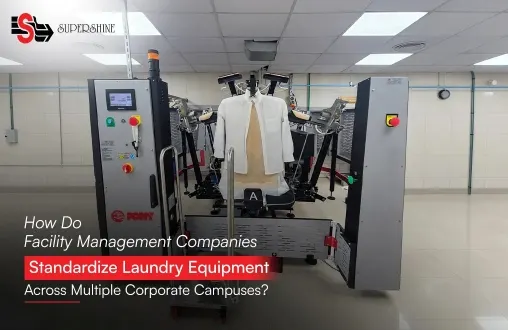
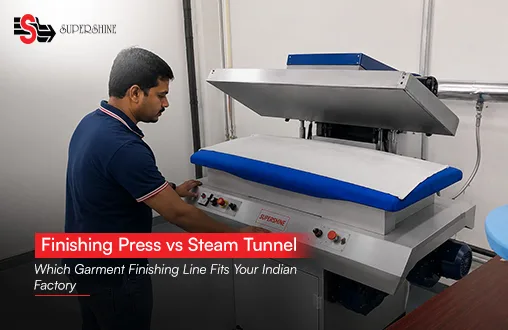
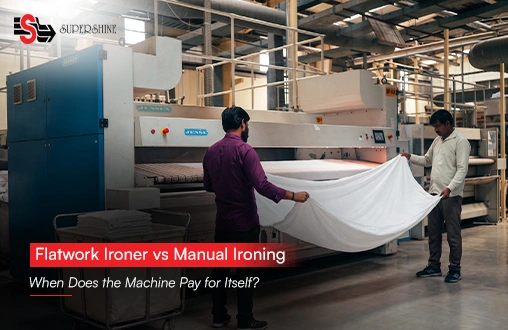
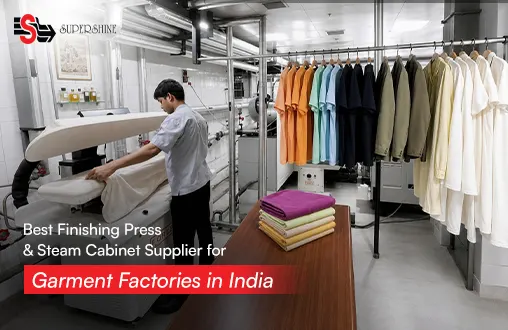
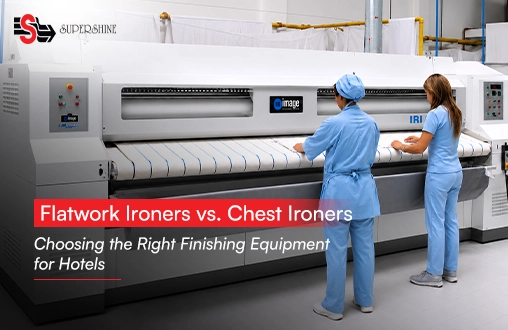
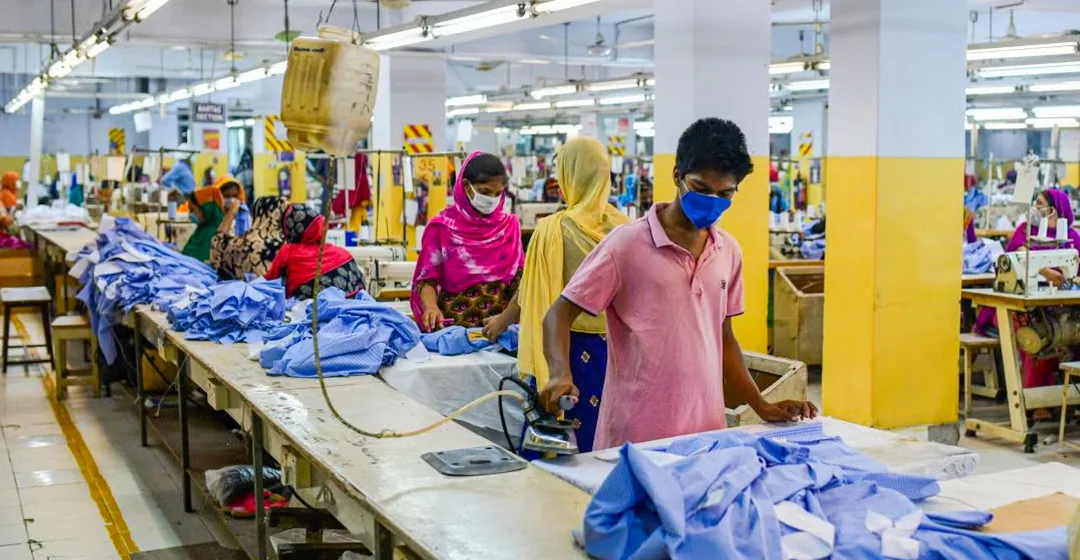
Here's something buyers often underestimate: a garment can be perfectly sewn and still fail an export quality audit because of poor finishing. Flatwork ironers and specialized garment finishing equipment (steam tunnels, form finishers, pressing stations) are what give export garments the crisp, uniform appearance international buyers expect on delivery. This isn't cosmetic vanity, it's a contractual requirement in most buyer agreements, and factories that skimp on finishing equipment routinely see shipments held up or rejected at inspection.
Commercial washing machine Bangladesh buyers are sourcing today increasingly need to be paired with equally capable finishing lines, because a factory's wash quality and its finishing quality get judged together during buyer audits.
Why Dry Cleaning Machines Still Matter in an Export Context
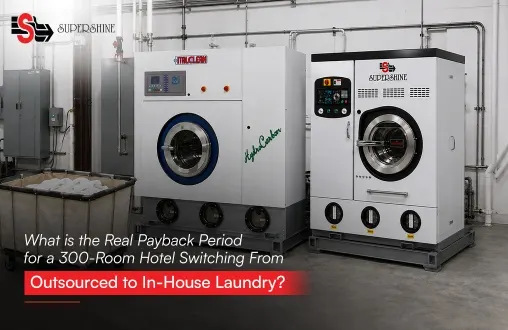
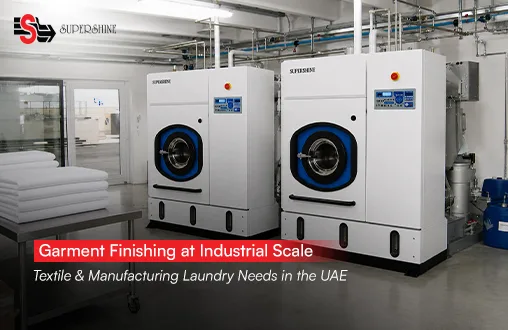
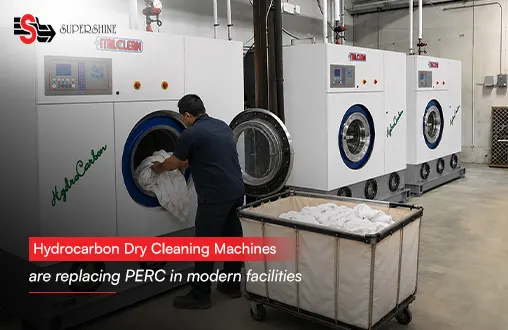
This might surprise people outside the industry, but dry cleaning equipment plays a real role in garment export finishing too, particularly for delicate fabrics, embellished pieces, wool blends, or garments with trims and components that can't survive a standard water wash without damage. Rather than being a niche afterthought, dry cleaning capability is often what separates a factory that can only handle basic cotton knitwear from one that can take on higher-value, more complex export orders (think outerwear, tailored pieces, or anything with delicate embellishment).
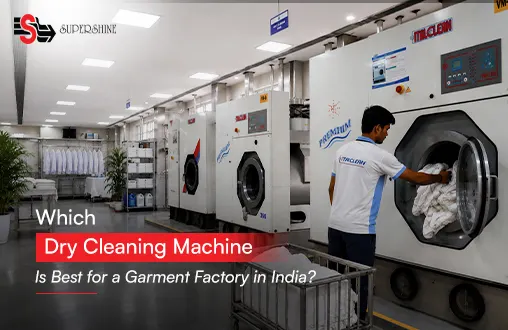
For factories asking which dry cleaning machine is best for garment export finishing, the honest answer depends on the fabric categories in your order book. A factory focused purely on basic tees and denim may not need heavy dry cleaning capacity at all, while one expanding into premium outerwear or formalwear categories absolutely will.
Compliance Audits and Why Equipment Quality Feeds Straight Into Them
International buyers sourcing from Bangladesh typically require social and quality compliance audits under frameworks like BSCI, SMETA, WRAP, and SA8000. While these audits focus heavily on labor practices and workplace safety, quality management systems and maintenance records for production and finishing equipment also come under scrutiny. Auditors have flagged maintenance backlogs and inadequate quality management systems as recurring issues found during factory audits, which means the state of your washing and finishing equipment isn't just a production concern, it's part of your compliance story with buyers too.
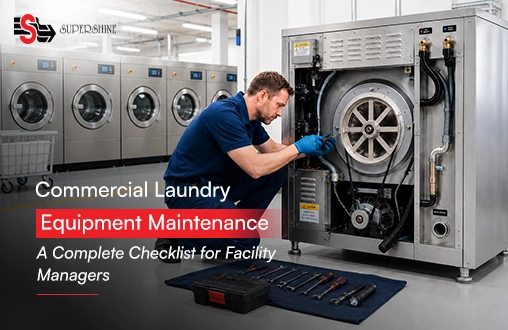
Factories that invest in reliable, well-maintained industrial laundry machines and finishing equipment tend to sail through these audits more smoothly than those running older, poorly serviced lines held together with patchwork repairs.
Sourcing the Right Equipment: What to Look for in a Supplier
Given how much rides on getting wash and finish quality right, garment exporters shouldn't be shopping for equipment purely on upfront price. The questions worth asking any equipment supplier: Can they properly size a washing and finishing line for your specific fabric mix and order volume? Do they offer genuine installation and commissioning support, not just a delivery truck? And critically, given how tight production schedules can get, how fast can they get spare parts and service technicians to your factory when something breaks mid-shipment cycle?
Where Supershine Fits for Bangladesh's Garment Exporters
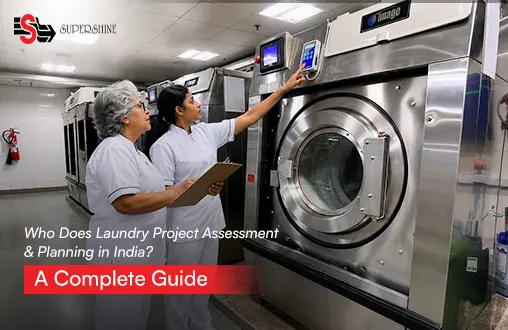
Supershine Laundry has been working across garment manufacturing clients as one of its core industries for more than three decades, alongside hotels, hospitals, and defence institutions, bringing in equipment lines like Milnor, Image Laundry Systems, and Italclean. With over 1,500 installations completed and export experience that specifically extends into Bangladesh and the wider South Asian and Gulf export corridor, Supershine's turnkey model (assessment, machine selection, installation, commissioning, and ongoing spare parts and technical support) is built around exactly the kind of high-volume, deadline-driven environment garment exporters operate in every single day.
For factory owners weighing whether to expand into denim washing, add dry cleaning capability, or simply modernize an aging finishing line, getting proper technical guidance before committing capital tends to pay off many times over in reduced downtime and fewer audit headaches.
Worth Getting Right From the Start
Given how much of Bangladesh's export economy runs through garment washing and finishing quality, the equipment behind it deserves more than an afterthought purchase decision. If you're planning a new washing line, adding dry cleaning capability, or upgrading finishing equipment ahead of a buyer audit cycle, Supershine's team brings three decades of turnkey experience across exactly these categories, worth a conversation before you commit to a supplier.