+91-124-4807600
 sales@supershinelaundry.ae
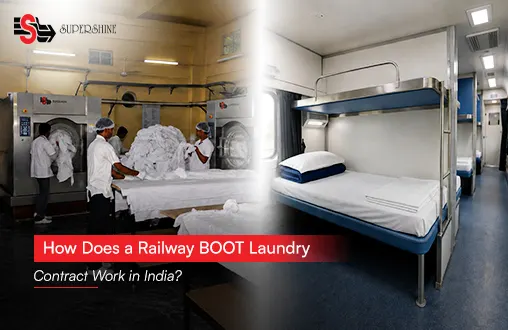
Railway Laundry Operations: Why Standard Commercial Machines Fall Short

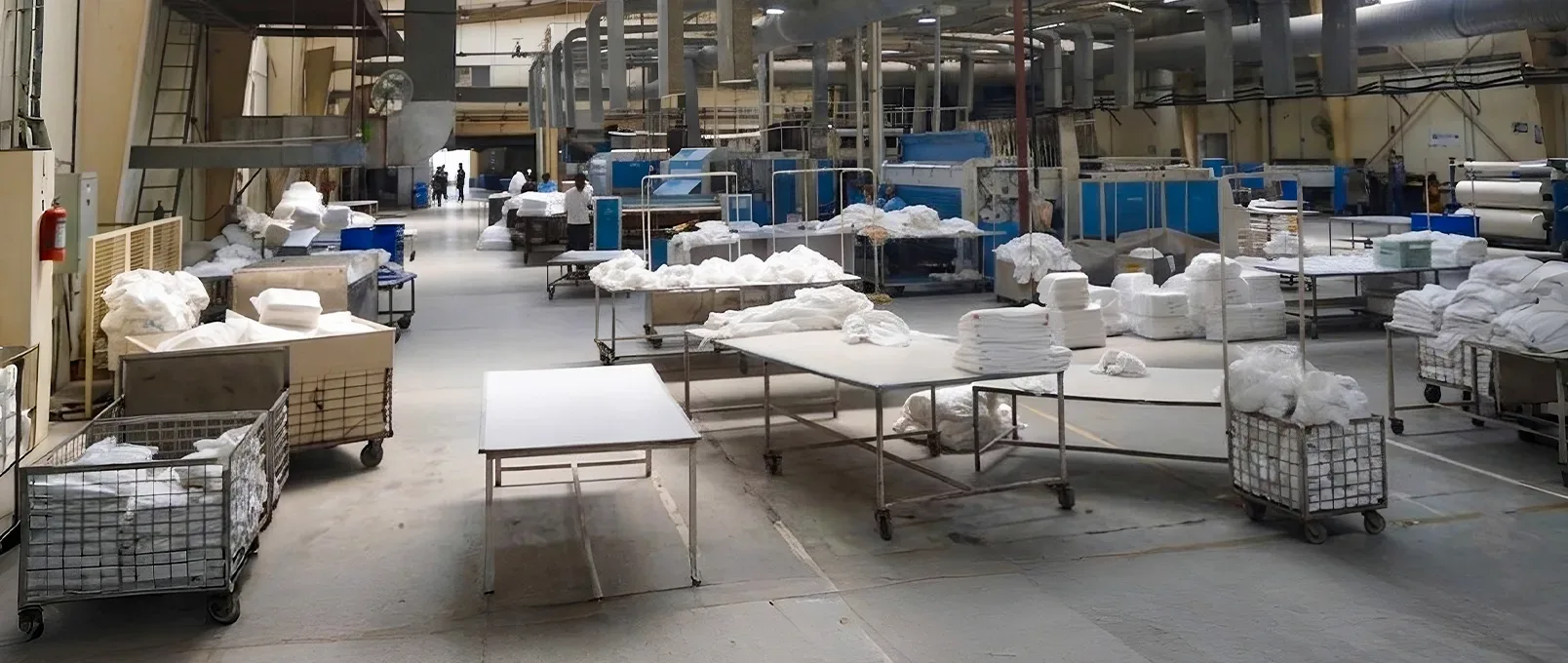
We once sat across from a facilities manager who handles linen for a zonal railway division, and within two minutes of conversation he said something that stuck with us. He said, "People think laundry is laundry. Until they try running a hotel-grade machine for railway volumes. Then they learn very quickly."
That one line basically sums up this entire blog. So let's unpack it.
The Scale Problem Nobody Talks About Until It's Too Late
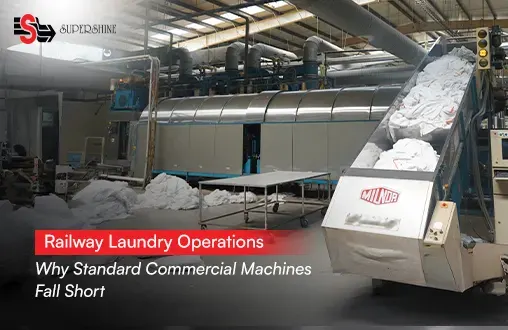
Railways don't run small loads. We're talking about bedrolls, blankets, pillow covers, curtains, and towels coming in by the thousands every single day, across multiple zones, multiple sheds, often running on tight turnaround windows because trains don't wait for laundry to finish drying.
A standard commercial laundry machine, the kind you'd find in a decent-sized hotel or hospital, is built for a different rhythm. It's built for steady, predictable, moderate volume. Railway laundry is neither steady nor moderate. It's bursty. You might get a massive influx after a long-distance train arrives, then a quieter stretch, then another spike. The machine needs to handle that unpredictability without breaking a sweat, or worse, breaking down.
This is exactly where railway grade laundry solutions need to differ fundamentally from regular commercial setups. It's not about being "bigger" in a vague sense. It's about being engineered for continuous high-throughput cycles with minimal downtime tolerance.
Why Tunnel Washers Make Sense Here (and Why That Surprises People)
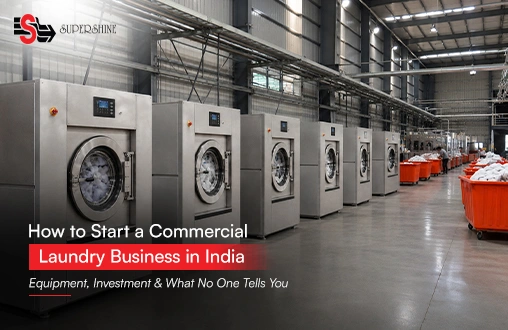
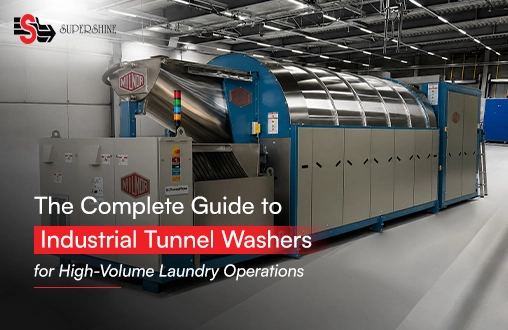
When we mention tunnel washers to people outside the industry, we usually get a confused look. "Isn't that for hotels and hospitals?" Yes, but think about what a tunnel washer actually does well. It processes large volumes continuously, with different compartments handling different stages of the wash cycle simultaneously. That's basically the railway laundry use case in a nutshell.
Take something like the Milnor PBW 92048 Pulse Flow Batch Washer. It's designed for exactly this kind of relentless, high-volume processing where compartments keep moving linen through wash, rinse, and extraction without the machine ever really "stopping" in the way a single-pocket washer does between loads. For zones handling massive bedroll volumes, this isn't a luxury upgrade. It's closer to a survival requirement.
And if a facility is scaling but not quite at the largest tunnel washer territory yet, the Milnor PBW 76039 Pulse Flow Batch Washer sits at a more moderate footprint while still delivering that continuous batch advantage over standard commercial laundry machines for railway-scale needs.
The Linen Itself Is Different (And That Changes Everything)
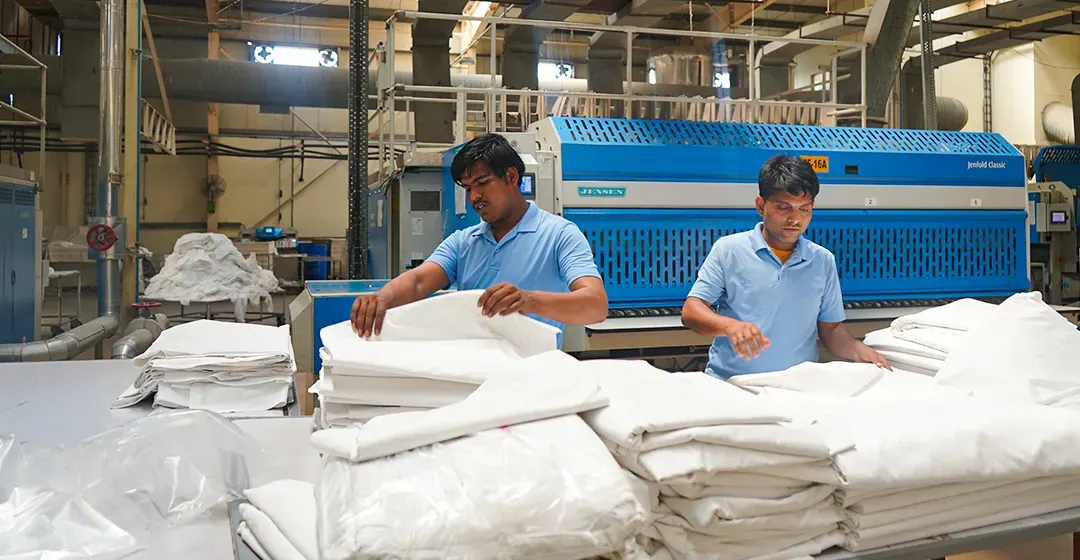
Here's something people don't think about. Railway linen takes a beating. Bedrolls get crushed, sat on, sometimes used as makeshift pillows for naps that definitely weren't part of the original design intent (we've all seen it happen). Blankets absorb everything from chai spills to dust from open windows during long journeys.
This means the wash cycle needs to deal with heavier soil loads and tougher fabric stress than your average hotel sheet. A heavy duty industrial washing machine built for hospitality just won't have the extraction power or wash chemistry tolerance needed here.
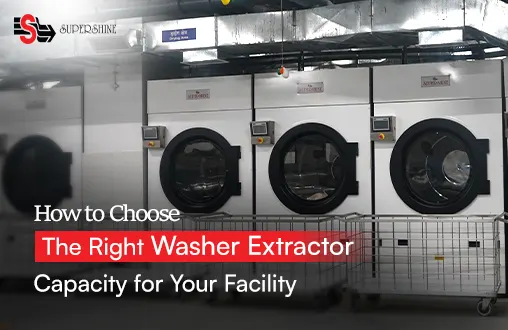
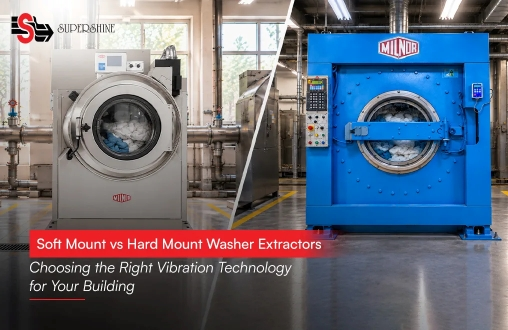
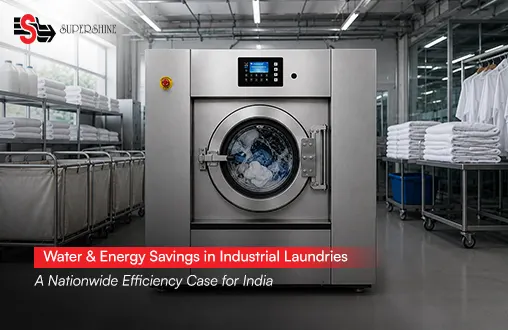
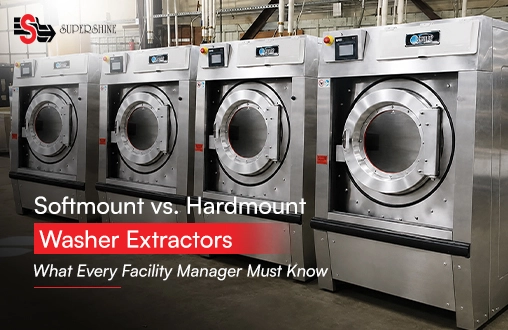
This is where soft mount washer extractors with higher G-force extraction become genuinely useful. Something like the 125 kg Suspended Washer-Extractors with Advanced Extraction Technology pulls out significantly more water before drying even begins, which matters a lot when you're trying to dry hundreds of heavy blankets without your dryers becoming the bottleneck of the entire operation.
Drying Is Where Most Setups Quietly Fail
We'll be honest, drying doesn't get the attention it deserves in these conversations. Everyone focuses on the washer because it's the "hero" machine, but drying capacity is often where railway laundry operations actually choke.
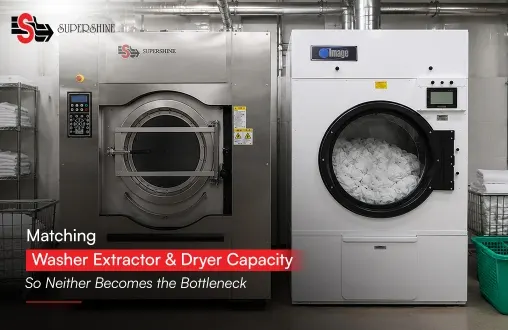
If your washers can process 500 kg per cycle but your dryers can only handle half that, you've just created a bottleneck that no amount of washing efficiency can fix. It's like having a six-lane highway that suddenly narrows to two lanes right before the toll booth. Everything backs up.
For larger zones, something in the range of the 140 kg Industrial Dryer or even the 186 kg industrial Dryer becomes necessary to keep pace with high-capacity washer extractors. Otherwise, you end up with piles of wet linen sitting around, which, in a railway shed environment, is basically an open invitation for odour and hygiene complaints.
Hygiene Standards Aren't Optional, Even If People Pretend They Are
Railway linen comes into direct, prolonged contact with passengers. Bedrolls, in particular, are something people sleep on for hours. If hygiene protocols aren't built into the laundry process itself, no amount of "we'll handle it manually" really compensates.
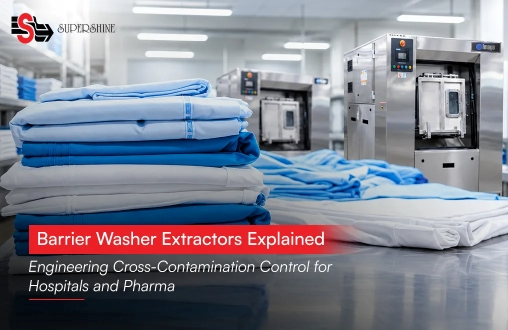
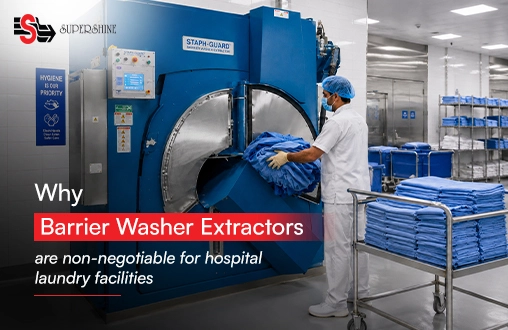
This is one area where barrier washer technology, normally associated with hospitals, is increasingly relevant for railway laundry systems too. Keeping soiled linen handling completely separate from clean linen output isn't just an infection control thing for hospitals anymore. Large-scale operations everywhere, including railways, benefit from this separation simply because it reduces contamination risk and improves overall process discipline.
What Happens When You Treat It Like a Logistics Problem, Not Just a Laundry Problem
Here's a slightly tangential thought, but stick with us. We've worked with clients in event management too, and one thing groups like SKIL Events understand really well is that large-scale operations succeed or fail based on flow, not individual components. A great catering setup means nothing if the seating arrangement creates a bottleneck. Similarly, a great washer means nothing if your dryer can't keep pace, or your finishing equipment can't process volume fast enough.
Railway laundry needs to be approached the same way. It's a flow problem. Washing, extraction, drying, and finishing all need to be sized in proportion to each other, not as isolated purchasing decisions. This is honestly where most facilities go wrong. They buy the "best" washer they can afford and assume everything downstream will sort itself out. It rarely does.
So, What Should You Actually Look For?
If we had to summarise this entire blog into a quick checklist, it would look something like this. Look for continuous batch or tunnel washing capability if your volumes justify it. Prioritise extraction technology that reduces drying time, because drying is usually the silent bottleneck. Size your dryers in proportion to your washing capacity, not as an afterthought. And seriously consider barrier washing principles even outside hospital contexts, because hygiene complaints in railway linen are a reputational risk nobody wants to deal with.
Standard commercial machines aren't bad machines. They're just built for a different problem than the one railway laundry actually presents. And once you see the difference clearly, going back to "regular" equipment feels a bit like trying to fit a long-distance train schedule onto a local commute timetable. Technically possible, practically painful.
If your facility is somewhere in the middle of this scaling journey, it's worth having a proper conversation about where your current bottlenecks actually are before deciding what to buy next.
At Supershine Laundry, we help railway laundries and large-scale linen processing facilities identify the right equipment based on operational needs rather than assumptions. From high-capacity washing systems and energy-efficient extraction to drying and finishing solutions, our focus is on delivering reliable, scalable, and hygienic laundry systems that improve throughput while maintaining consistent quality.