+91-124-4807600
 sales@supershinelaundry.ae


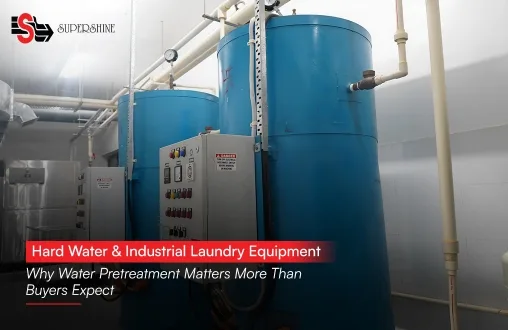
Nobody buys an industrial washing machine while thinking about their water supply. Buyers think about drum capacity, load size and brand. Water quality rarely makes the shortlist of questions, and that is an expensive omission, because hard water and laundry equipment are a poor match. Hard water does not only affect wash quality. It slowly damages the machine, one cycle at a time. This guide explains what happens, why it hits industrial volumes harder than homes, and how pretreatment protects both equipment and linen.
What Hard Water Does Inside a Machine
Hard water carries dissolved calcium and magnesium. In each wash cycle some of these minerals come out of solution as limescale and coat pipes, valves, heating elements and pump parts. The process is slow and invisible for months. Then the heating element takes twice as long to reach temperature, water flow drops and the machine starts throwing error codes that seem unrelated to water quality.
A widely cited Water Quality Research Foundation study ran washing machines through 240 cycles. Machines fed hard water needed deliming to remove visible scale, while those on soft water looked nearly new at the end. Same machines, same cycles, very different wear.
Why Industrial Volumes Make It Worse
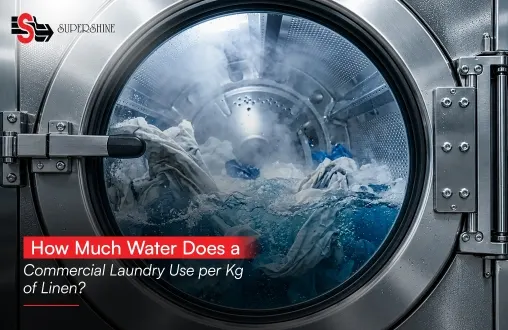
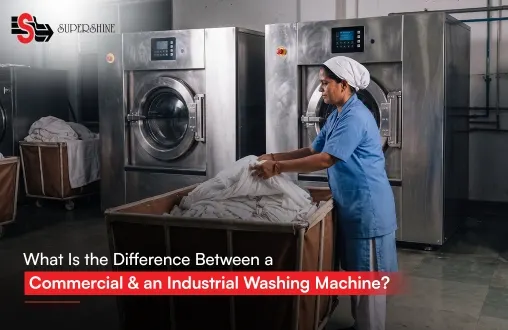
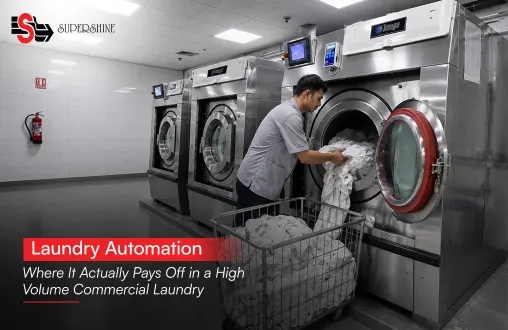
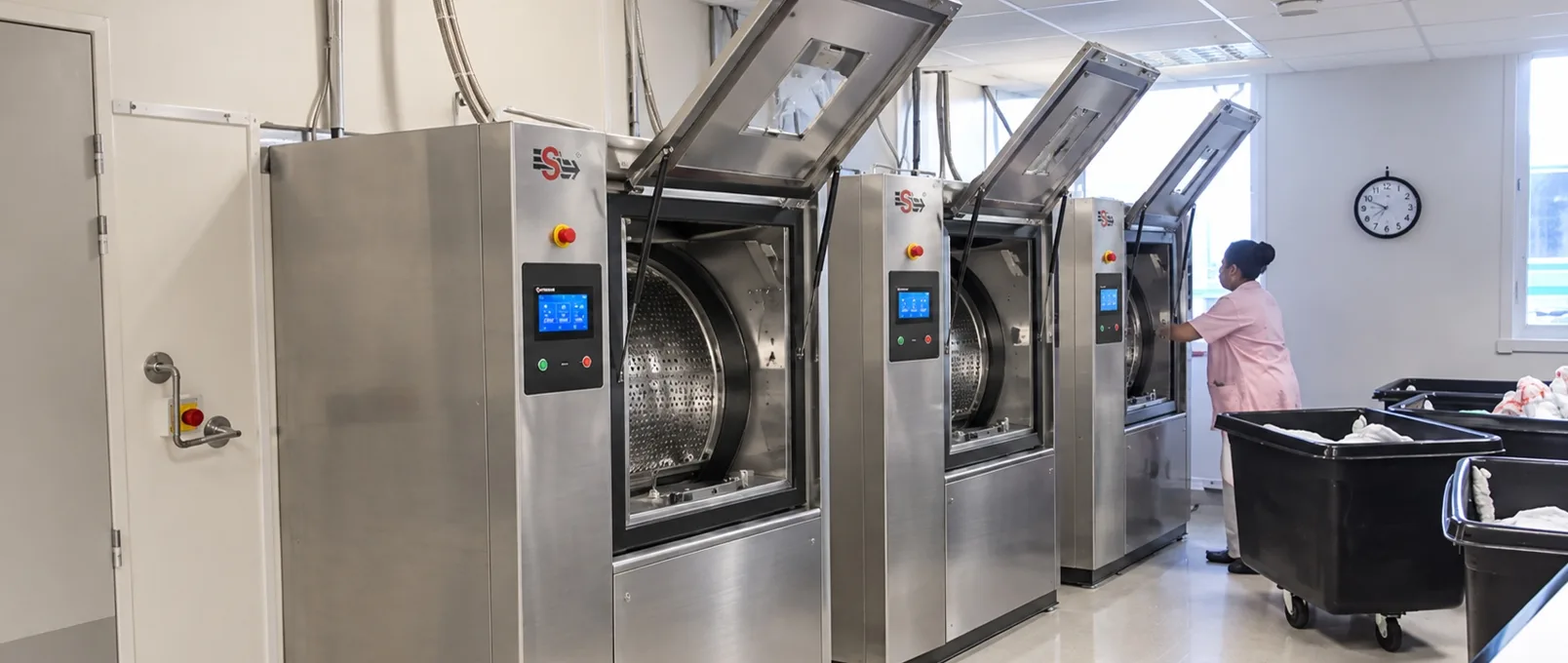
A home machine runs perhaps five or six loads a week. A industrial laundry washing machine in a hospital or hotel runs dozens of loads a day, sometimes around the clock. The same mineral deposit problem arrives much sooner. What takes years in a domestic appliance can show up in months on a heavily used commercial unit.
- Heating elements lose efficiency, so you pay more energy for the same wash temperature.
- Pumps wear out sooner.
- Valve seals degrade with mineral build-up.
- Service calls become more frequent and machine life shortens.
For a plant running dozens of cycles daily, this is real money and not a small inconvenience.
The Extractor Problem
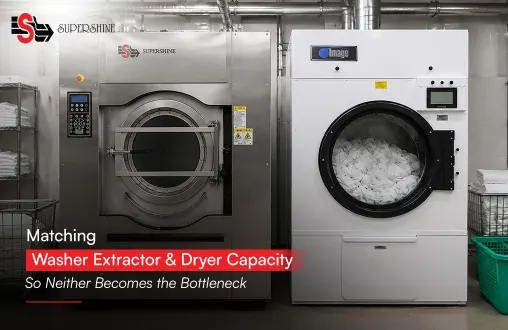
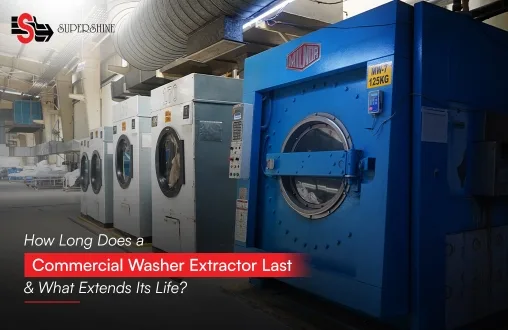
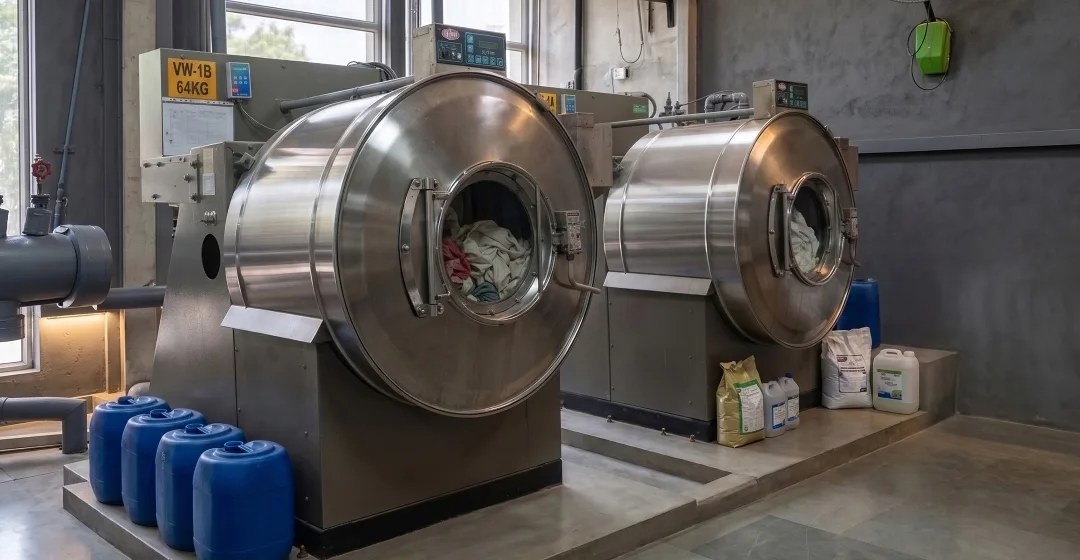
High-speed extractors spin water out of loads before drying. They combine heavy mechanical stress with constant water exposure. Mineral deposits on bearing seals and drum components can speed up wear on the parts that deliver high-G extraction. Lose extraction efficiency and drying time rises, which raises energy cost in your dryers. The chain reaction starts at the water supply and ends up affecting the whole laundry line.
Fabric Suffers Too
Hard water minerals bind with detergent, reducing its cleaning power and leaving residue in the fibres. Over repeated washes, towels and linen feel stiffer, colours fade faster and whites turn grey early. For hotels and hospitals, where linen quality shapes guest and patient perception, that is a real cost. Pretreatment protects your equipment and the quality of what comes out of it.
What Pretreatment Involves
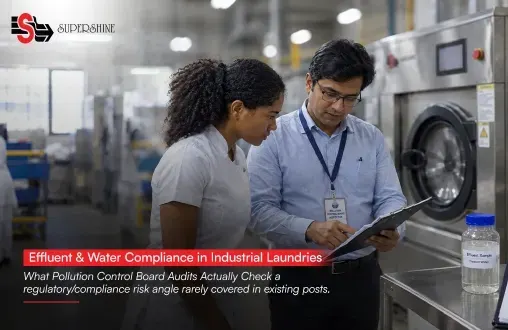
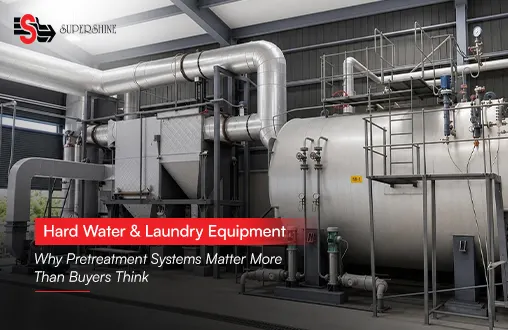
The most common solution is an ion-exchange water softener installed ahead of the wash line. It removes calcium and magnesium, and often helps with iron, before the water reaches the machines. For some supplies, additional filtration or other treatment may be needed, depending on a water test. The first step is always the same:
- Test your water. Measure hardness, iron, pH and total dissolved solids, for both municipal and borewell sources.
- Size the system. Match softener capacity to peak water demand and regeneration needs.
- Plan the space. Softeners need floor area, drainage, salt storage and maintenance access.
- Maintain it. Check salt levels and hardness at the outlet regularly.
Plan It Before You Order the Machines
If you are building a new facility, test the water before you finalise the floor plan, because pretreatment equipment needs its own footprint, plumbing and service access. Retrofitting a softener into a room that was not designed for it is possible, but it is a more expensive and disruptive project. Buyers who skip pretreatment to save on day-one budget often pay for it repeatedly in service calls and shortened machine life. Water hardness in India varies widely by region and even between borewell and municipal supply, so a test is worthwhile wherever you are.
How Supershine Laundry Helps
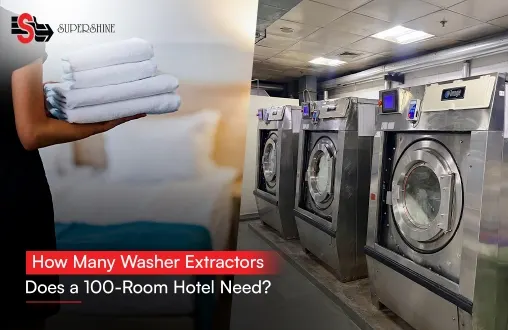
This is one of the most common gaps Supershine Laundry sees when advising new clients. With 35 years of experience and more than 1,500 installations across hotels, hospitals and industrial laundries, the team includes water quality assessment in the initial consultation, not as an optional extra, because recommending a washer extractor without addressing water hardness is incomplete advice. Turnkey service covers consultation, capacity planning, machine selection, installation, commissioning, training, AMC and spare parts, including pretreatment systems alongside washers, dryers and finishing equipment. See the commercial washing machine range for the machines these systems protect.