+91-124-4807600
 sales@supershinelaundry.ae

Planning Hotel Laundry Equipment for Oman's Growing Tourism Sector: Water, Climate and Capacity

Oman's tourism story is one of steady momentum, not overnight explosion, and that is good news for anyone planning hospitality infrastructure. Reported figures show over one million tourists in the first half of 2025 and hotel revenues up about 18 percent in that period. Vision 2040 targets six million annual visitors by 2030 and twelve million by 2040. That means a lot of new hotel capacity, and many decisions on hotel laundry equipment for Oman that will need to hold up for years. This guide covers water quality, climate, sizing and lifecycle cost for hotel owners, engineers and project teams.
Tourism Growth Is Reshaping Hospitality Demand
The Ministry of Heritage and Tourism reported tourism output of nearly RO 2 billion in 2025, with the sector contributing about 2.7 percent of GDP. New hotels are opening in Muscat and Salalah, and increasingly in less-visited regions as the country diversifies from oil. Each property needs hotel laundry machines that keep pace with rising occupancy. It is no longer about buying a washer and dryer. It is about buying the right capacity for the growth you can already see coming.
Water Quality: Know Your Source
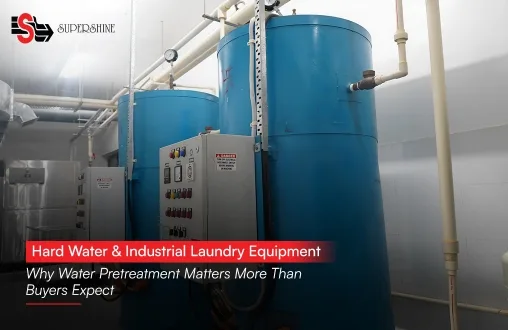
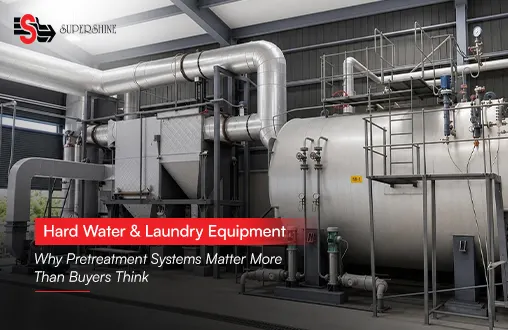
Water quality in Oman varies by region. Coastal cities such as Muscat and Sohar rely largely on desalinated water, which typically has lower hardness, in the region of 50 ppm. Interior areas and groundwater sources can carry much higher mineral content, and some testing has found hardness above WHO guidance in local supplies. Hard water causes scale on heating elements, weakens detergent action and wears fabric, so commercial washing machines for hotels need water treatment considered at the design stage and not bolted on later. Test the water at your site before you finalise the equipment list.
Salalah's Khareef Season
Salalah has something almost no other part of the Arabian Peninsula experiences: the khareef, a monsoon-like season from roughly June to September, with drizzle, fog and high humidity. It draws visitors, but it also means linens and towels do not air dry as they would in Muscat's dry heat. Reliable tumble drying capacity becomes essential, especially for resorts turning rooms quickly in peak season. Plan dryer capacity for the humid months, and allow for good ventilation and make-up air in the laundry room.
Sizing: Plan for Growth, Not Only Today
Whether you run a 50-room city hotel or a 200-key beach resort, undersizing is the mistake seen most often. Owners buy for current occupancy and not for what they will have in two years, once a new wing opens or Vision 2040 demand arrives. Specify capacity with headroom from the start, and consider:
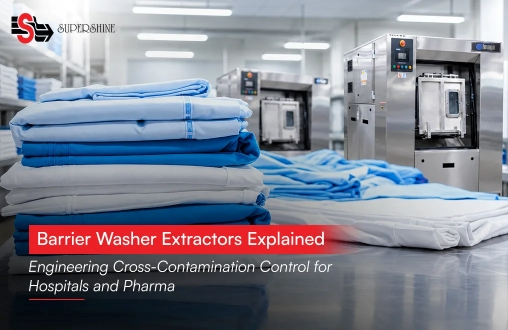
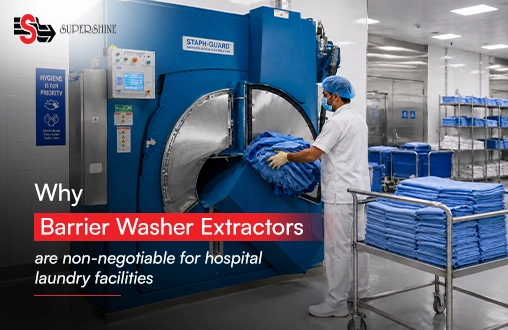
- barrier washer extractors for hygiene-sensitive linen,
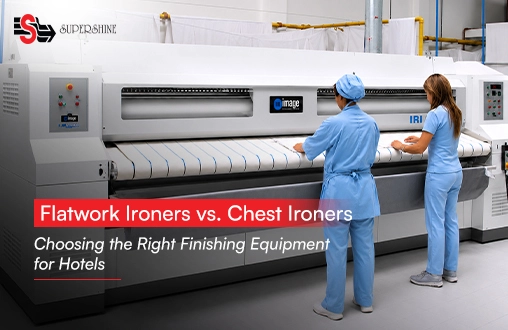
- ironers sized for high-volume flatwork,
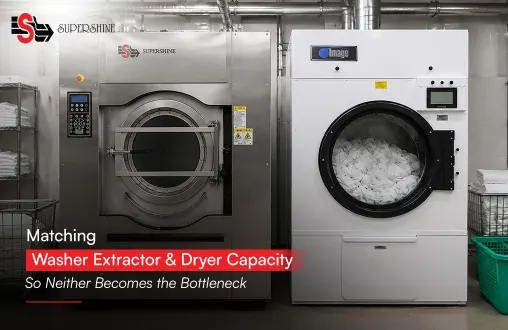
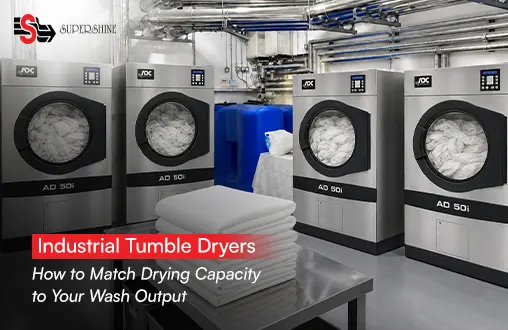
- dryer capacity matched to washer output, so there is no bottleneck at one end, and
- a layout that lets you add a machine later.
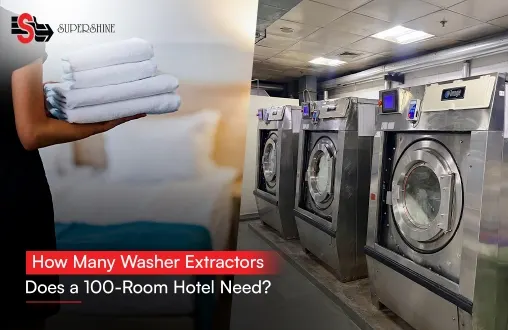
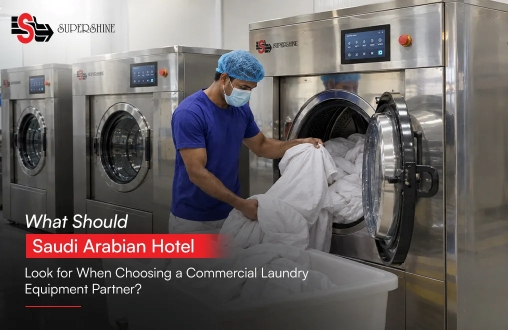
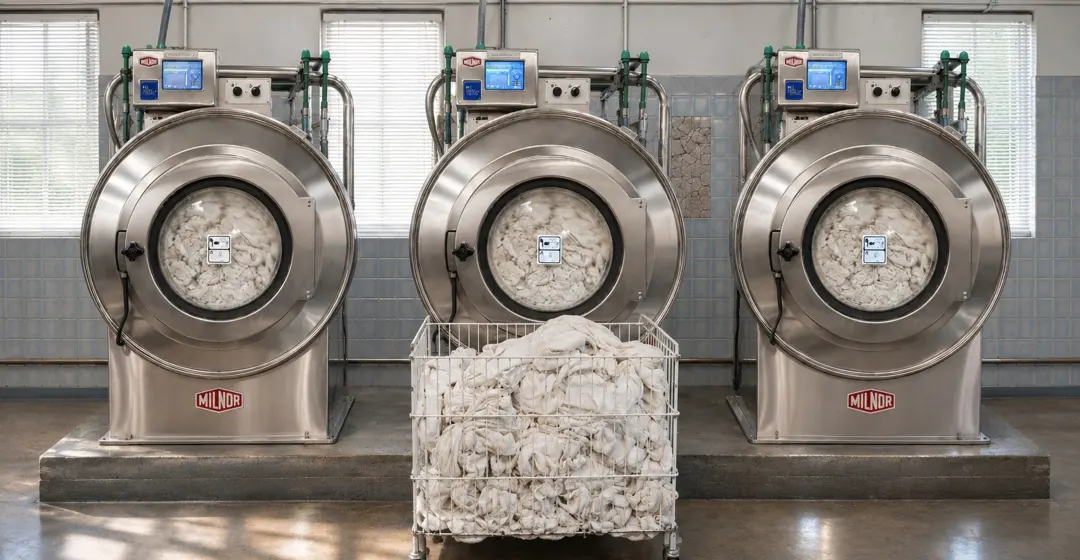
As a rough guide, a 50 to 100 room property often runs two to three mid-capacity washer extractors in the 30 to 60 kg range, with matching dryers. Work from your own linen volumes to confirm.
What a Hotel Laundry Setup Should Include
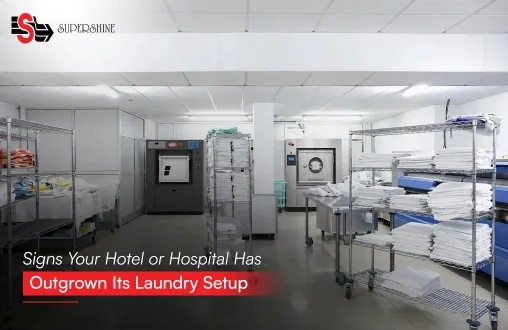
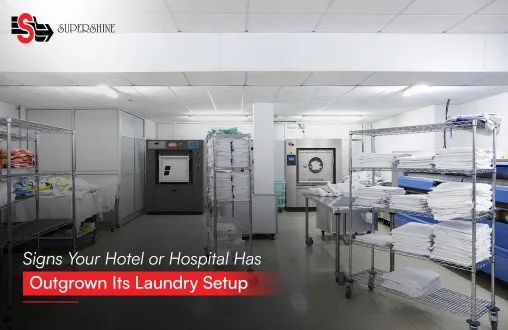
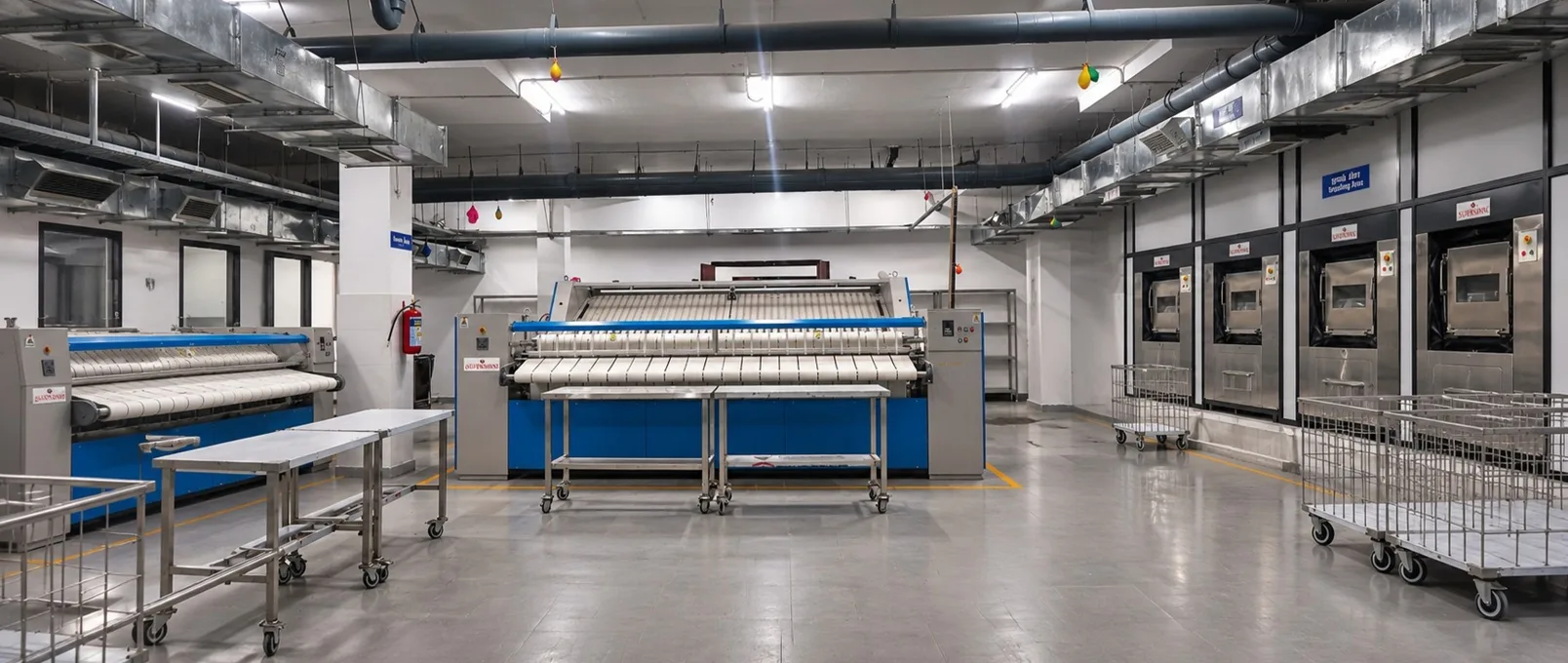
A laundry room is a system, not a single machine. A hotel setup normally needs:
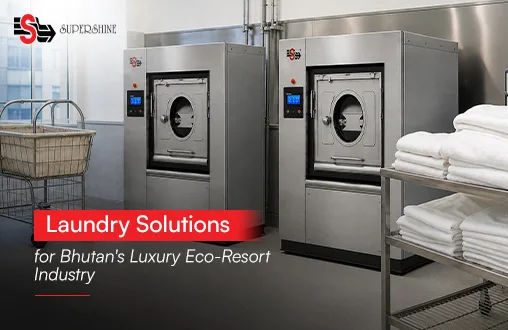
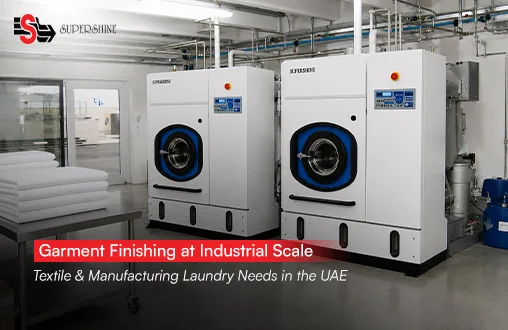
- washer extractors sized to daily linen volume,
- tumble dryers matched to that output,
- ironers or presses for tablecloths and uniforms, particularly if food and beverage is busy,
- water softening and dosing equipment,
- a workflow that keeps clean and soiled linen apart, and
- sorting, folding and storage space.
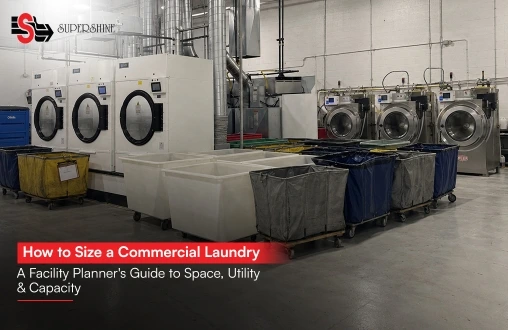
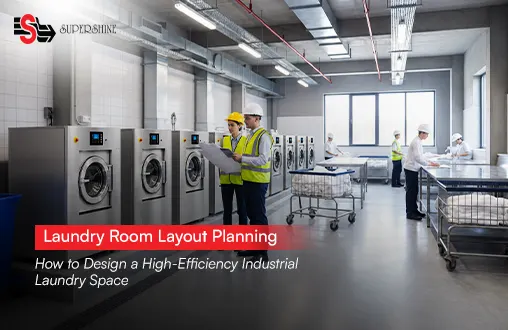
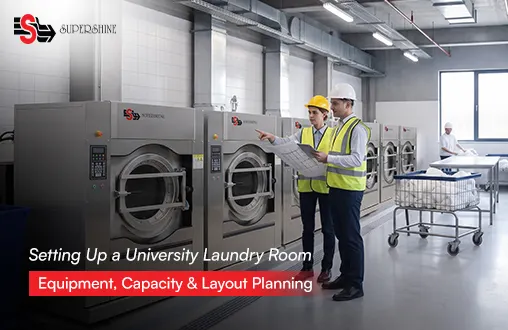
A single washer without the supporting equipment around it only moves the bottleneck elsewhere. Planning the whole laundry room makes the difference. Leave enough floor space for trolleys and clear walkways, and plan drainage and ventilation early, because changing a finished laundry room is far more expensive than designing it correctly the first time. A short site visit before ordering also helps confirm that doors, lifts and corridors can handle the machines.
Budget for the Lifecycle, Not Only the Purchase
Quotations are often compared on the sticker price of the machine, which is only one part of the cost. Water use, energy, chemicals and the availability of local service all shape what a laundry costs over a working life of 15 to 20 years. A slightly more expensive machine with better extraction and a more efficient wash cycle can repay the difference within a couple of years through lower utility bills, which matters at hotel scale in the Gulf. Ask your supplier to walk through that calculation before a purchase order is signed. It also helps to ask about warranty terms, the cost of common spare parts and how quickly a technician can reach your property, since these details often decide how much downtime you face over the years.
Why Regional Hotels Turn to Supershine Laundry
Supershine Laundry has 35 years of experience working through regional variables such as water hardness, climate and seasonal humidity, with more than 1,500 installations, including hospitality clients outside India. As Oman's hotel sector grows toward its Vision 2040 goals, the team offers turnkey support covering consultation, capacity planning, machine selection, installation, commissioning, training, AMC and spare parts, with export logistics and after-sales support built for the region. Early conversations help, before equipment gets locked into a design that ignores local conditions.