+91-124-4807600
 sales@supershinelaundry.ae

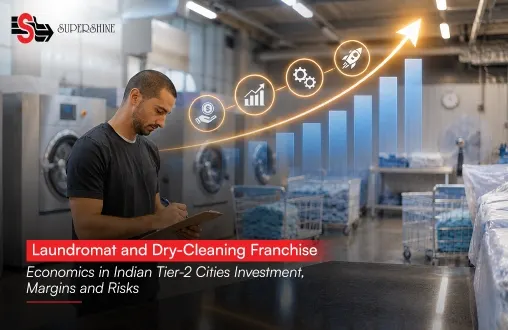
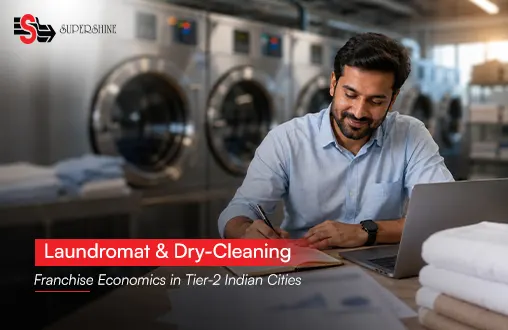
Laundromat and Dry-Cleaning Franchise Economics in Indian Tier-2 Cities: Investment, Margins and Risks

A quiet shift is under way in India's Tier-2 cities. Indore, Coimbatore, Nagpur and Lucknow are seeing more organised laundromat and dry-cleaning outlets, and the reasons are easy to see: lower rent, less crowded competition and a middle class that values convenience. But laundromat franchise economics work differently from a metro, and a buyer comparing a dry-cleaning outlet with a self-service laundromat needs to understand where the numbers diverge. This guide covers investment, margins, equipment and the risks that first-time franchise buyers tend to miss. Figures quoted are published estimates, so verify them against your franchisor's disclosure.
Why Tier-2 Cities Look Attractive
Commercial rent in a Tier-2 city can be a fraction of what a similar footprint costs in a metro suburb, and that changes the margin picture. Published data on organised laundry outlets shows staff wages and rent together at roughly 45 to 55 percent of total cost in these markets. Revenue per outlet is lower than in a metro, but a larger share reaches the bottom line, so many Tier-2 operators report healthy margins on modest volume.
Laundromat or Dry Cleaning: Different Capital Needs
This is where franchise buyers often misjudge their budget.
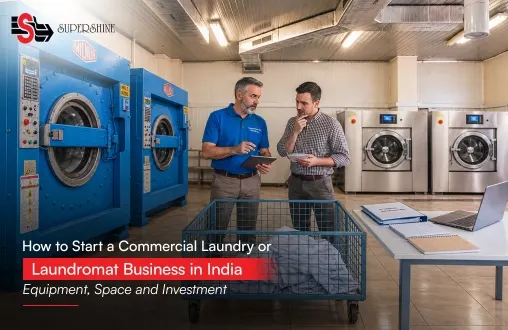
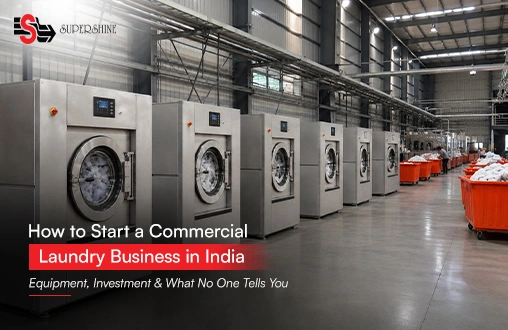
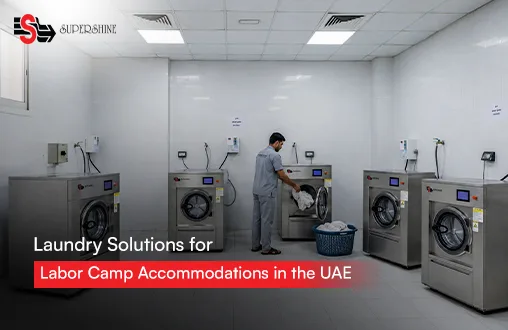
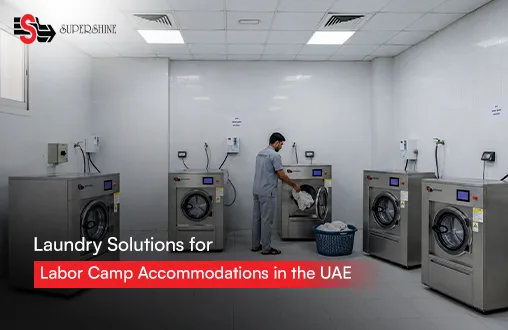
- Self-service laundromat. Built around coin or app-operated washing machines, with predictable, lower-maintenance equipment. A properly tech-enabled outlet is commonly quoted at about Rs. 22 to 45 lakh.
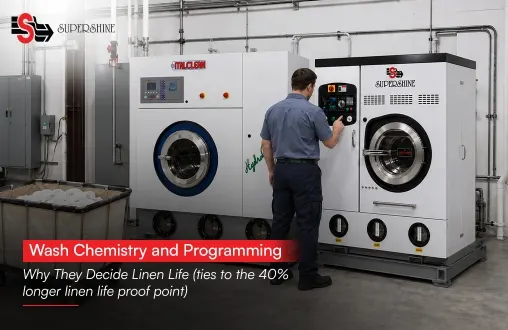
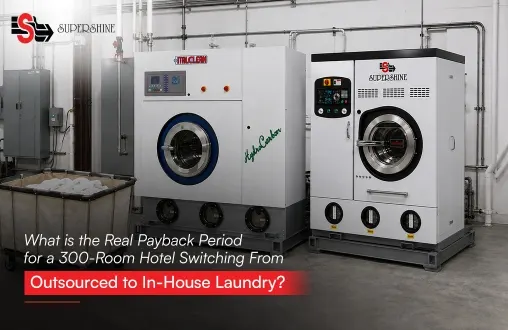
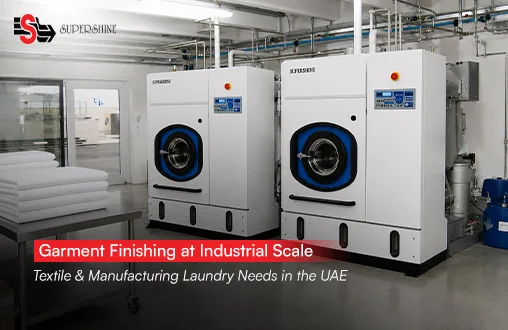
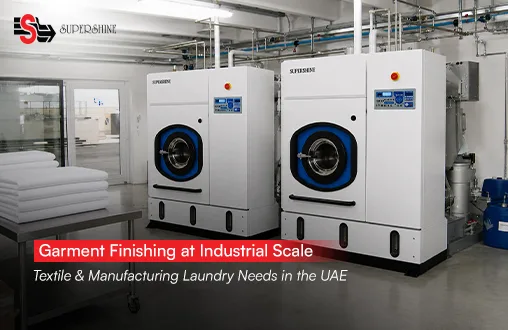
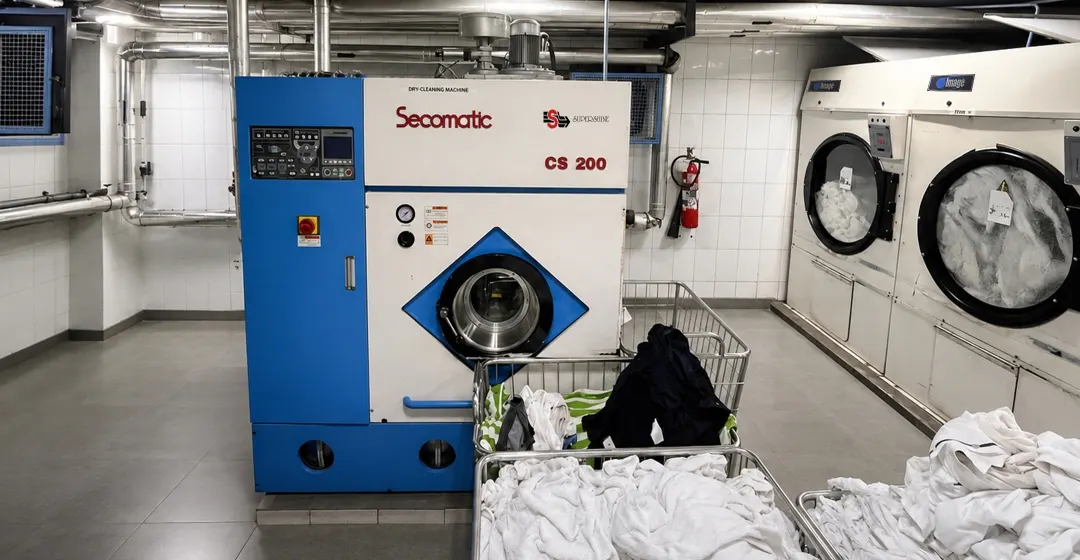
- Dry-cleaning outlet. Needs a commercial dry cleaning machine with solvent handling, filtration and recovery. The equipment costs more and needs trained operators, not just customers swiping a card.
- Combined format. Wash-and-fold plus garment dry cleaning under one roof diversifies revenue, but you budget for two equipment categories.
Setup Cost Ranges
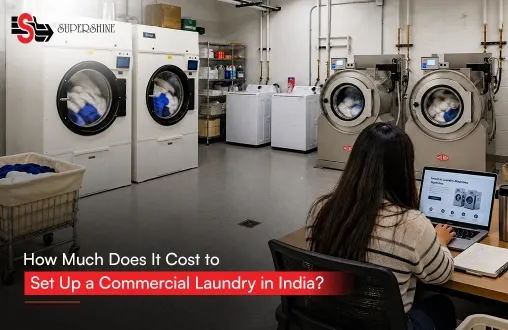
Published figures for laundry and dry-cleaning outlets in India run from roughly Rs. 2 to 5 lakh for a very small unit to Rs. 8 to 20 lakh for a proper medium commercial setup, and higher for combined formats. Always ask the franchisor what the figure includes: equipment, interiors, deposit, licences, working capital, franchise fee and training.
The Cost Drivers Buyers Underestimate
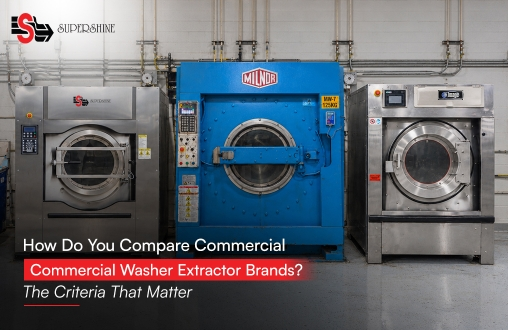
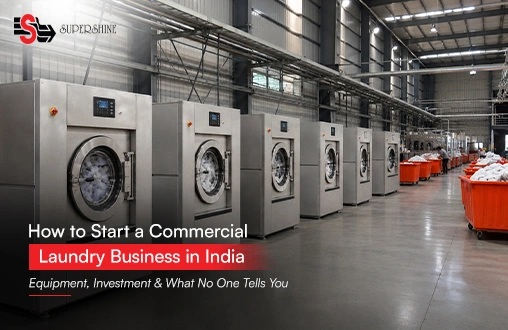
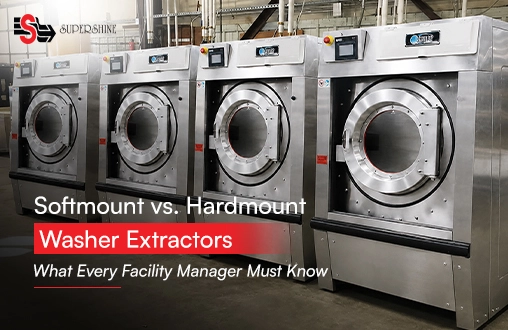
The washing machine you choose sets your cost structure for the next ten years, not only your day-one outlay. A machine with poor extraction means longer, costlier drying cycles. A dry-cleaning unit with weak solvent recovery raises consumable cost every month. When you run dozens of cycles a day, these are not small items. Compare machines on:
- water and energy use per cycle,
- extraction performance,
- solvent recovery efficiency, for dry cleaning,
- service support and spares in your city, and
- build quality for continuous public use.
Revenue Patterns in Smaller Cities
Reported monthly net profit for franchise laundry and dry-cleaning outlets in India ranges from about Rs. 20,000 to Rs. 1.75 lakh. The wide spread reflects location, service mix and equipment reliability. Downtime is especially costly here. A broken machine costs more than a repair bill, because same-day customers take their clothes elsewhere and may not return.
Location Matters Within the City
Not every neighbourhood offers the same economics. A site near a large residential complex, a hostel cluster or a busy commercial street usually delivers steadier footfall than a quiet suburb. Match the service mix to the area:
- Dry-cleaning-heavy formats do better near offices and upscale residential areas, where formal wear and delicate garments are common.
- Wash-and-fold laundromats tend to do well near hostels, PG accommodation and smaller apartments, where in-home laundry is less common.
Operators who choose a site only because the rent is low often end up with a well-equipped outlet and too little daily volume.
Risks to Weigh Before You Sign
- Franchise fees and royalties that reduce margin as revenue grows.
- Default equipment packages that do not suit your neighbourhood.
- Dependence on a few customers or a single peak season.
- Skilled operator shortage, particularly for dry cleaning.
- Solvent regulations and handling requirements.
- Slow ramp-up, so keep enough working capital for the first months.
Getting the Equipment Decision Right
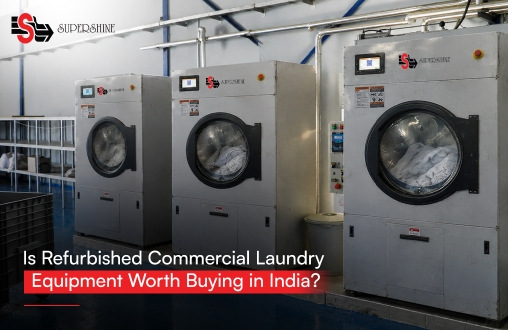
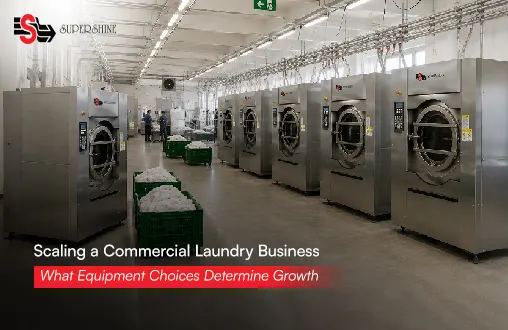
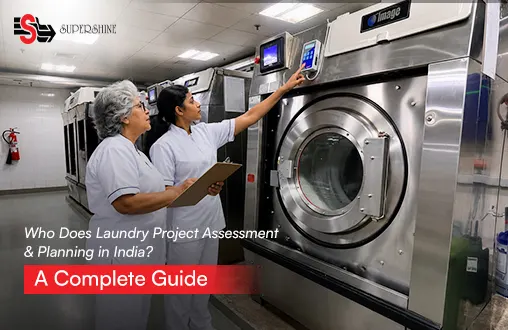
A franchise brand brings customers, but equipment brings profit. Supershine Laundry has 35 years of experience supplying commercial and industrial laundry equipment, including washer extractors and dry-cleaning systems, with more than 1,500 installations. Many franchise buyers treat equipment as an afterthought to the franchise agreement. The Supershine approach runs the other way: understand your city, your projected volume and your service mix, then recommend a capacity and configuration that fits, instead of a brochure default. Turnkey service covers consultation, machine selection, installation, commissioning, training, AMC and spare parts.