+91-124-4807600
 sales@supershinelaundry.ae

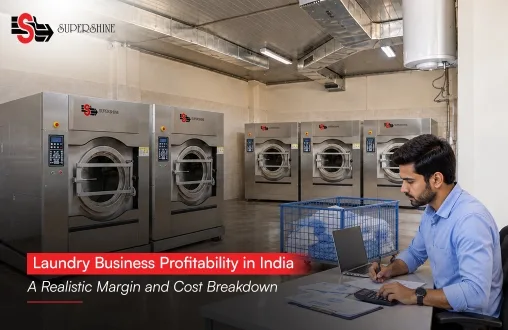
Laundry Business Profitability in India: A Realistic Margin and Cost Breakdown

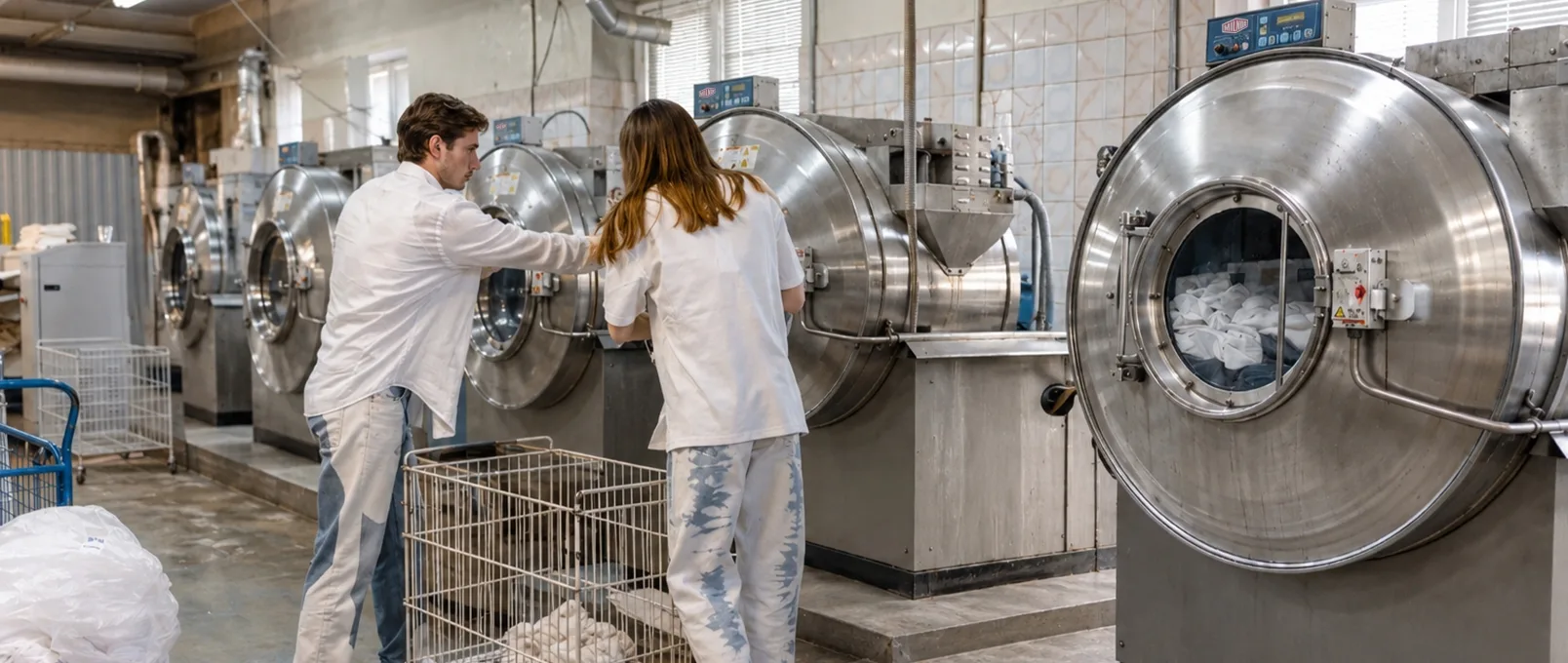
Everyone seems to know someone who made a fortune from a laundry shop. Some did. Plenty did not. So how profitable is a commercial laundry business, really? The honest answer is that laundry business profitability in India depends less on the idea and more on four things: volume, running costs, pricing discipline and the equipment you buy. This guide looks at the numbers behind those four, using published industry estimates, and flags where figures are indicative and not guaranteed.
What Margin Range Is Realistic?
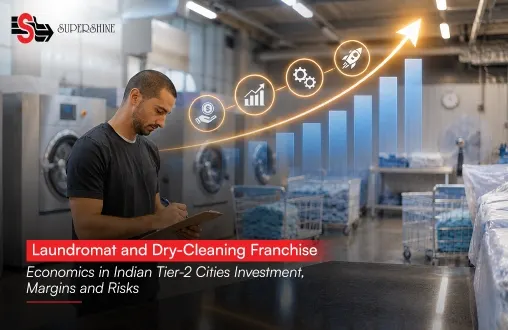
Industry estimates for organised laundry outlets in India put operating margins at roughly 20 to 35 percent for well-run branded or franchise outlets, with net margins of about 25 to 40 percent once one-time setup costs are set aside. These are strong figures for a service business. Achieving these returns often depends on efficient operations and reliable commercial laundry solutions that help maintain steady volume, control overheads and minimise machine breakdowns. Smaller, unbranded laundries often run on much thinner margins, sometimes in single digits, because they underestimate running costs or buy machines too small for the work they take in. Treat the ranges above as estimates, and build your own numbers from local rent, wages and tariffs.
The Four Costs That Decide the Outcome
- Staff wages. Usually the largest running cost, and affected by how much of the process is automated.
- Rent. Together with wages, rent often makes up about 45 to 55 percent of operating cost in a Tier-2 city outlet.
- Utilities. Water, electricity and fuel, which respond strongly to the efficiency of your machines.
- Consumables. Detergent, bleach, softener, packaging and hangers.
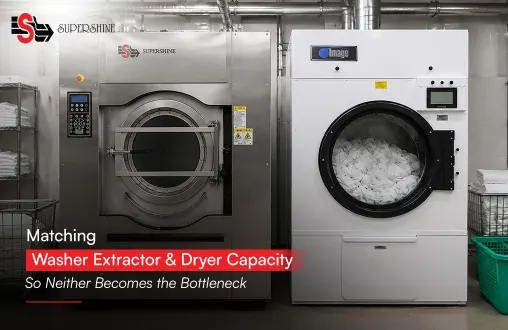
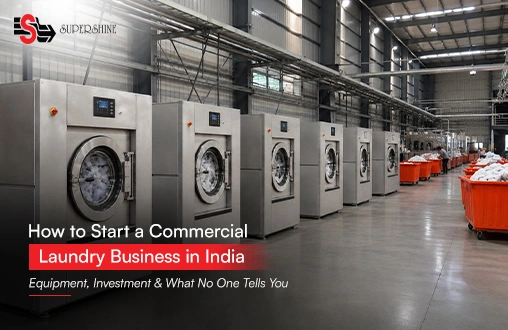
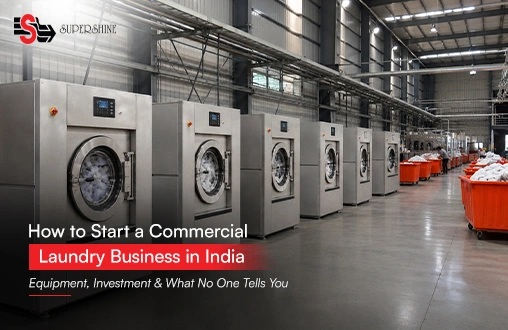
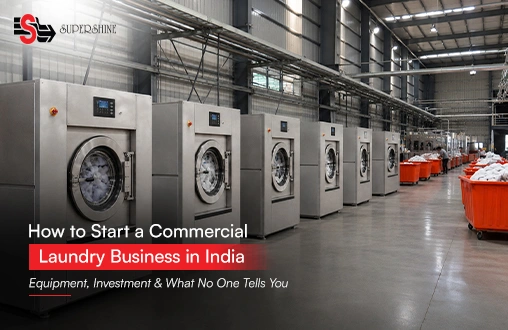
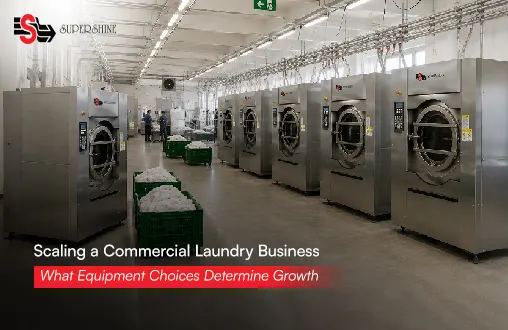
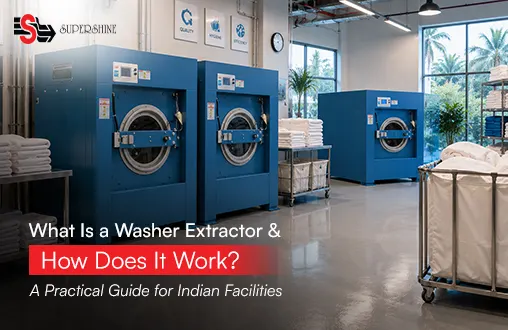
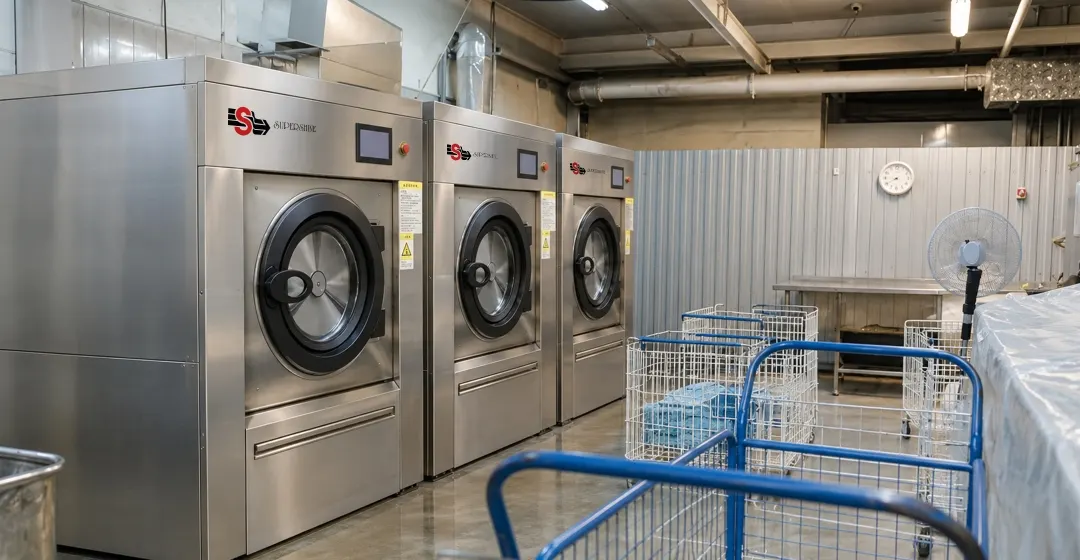
Wages and rent are hard to change once you have signed a lease and hired a team. Utilities and consumables are where equipment choice makes the difference. A washer extractor with strong extraction removes more water before drying, which shortens dryer cycles and cuts energy use on every load, day after day.
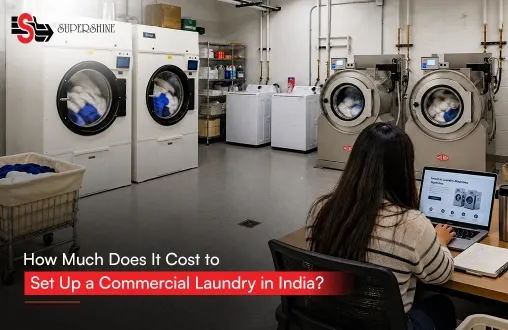
Setup Cost: What to Budget
Published figures for India vary by city, scale and format, so use them as a rough guide.
- Very small outlet: roughly Rs. 3 to 6 lakh, including a couple of machines and a rent deposit.
- Proper small commercial unit: often Rs. 2 to 5 lakh just to get started, depending on how the figure is defined.
- Medium commercial laundry: about Rs. 8 to 20 lakh, with better capacity and a wider service mix.
- Tech-enabled self-service laundromat: commonly Rs. 22 to 45 lakh, including premium location, app-based systems and heavy-duty machines built for public use.
Ask every supplier for a full cost sheet that includes installation, utilities, ventilation, water treatment and training, not just the machine price.
Revenue: A Reality Check
A modest retail laundry processing 30 to 50 kg a day can bring in about Rs. 60,000 to Rs. 1,20,000 a month, according to published estimates. Adding commercial contracts with hotels, hospitals and garment units lifts revenue, and with it the demand on your machines. You cannot run hotel linen volumes through equipment sized for retail walk-ins. Reported monthly net profit for franchise-format outlets ranges widely, from about Rs. 20,000 to Rs. 1.75 lakh, and the spread mostly reflects city, footfall and how tightly the owner controls the four costs above.
Why Equipment Is the Hidden Profit Lever
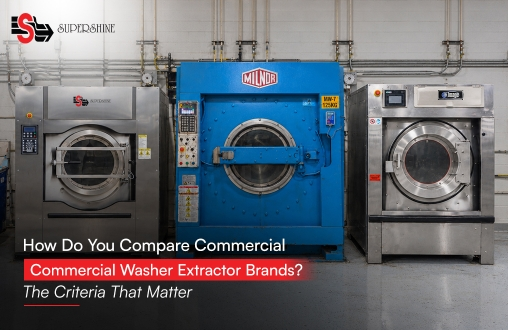
Pricing gets the attention, but the machine you buy often shapes your margin more than your tariff does. Underpowered or poorly built equipment breaks down more, costs more per cycle in water and power, and causes downtime on your busiest days. When you compare options, look at:
- rated duty cycle, meaning whether the machine is built for continuous commercial use,
- extraction speed and its effect on drying time,
- water and energy use per kilogram,
- service support and spare parts in your city, and
- expected life, since a machine that lasts ten years spreads its cost far more thinly.
Commercial laundry solutions built for real duty cycles make a measurable difference over a five or ten year horizon. Retrofitted home appliances sold as commercial usually do not.
Seasonality and Staffing: The Part Nobody Budgets For
Laundry is seasonal. Wedding months, festivals and college move-in periods spike volume for a few weeks, and other periods run quiet. A plan built on average monthly demand leaves you short of capacity and people in peak weeks, exactly when a slow turnaround costs you a customer. A little headroom in machine capacity and staffing usually pays for itself within a year, even if it looks like overcapacity on a quiet Tuesday in February.
Labour quality matters too. Trained operators who understand load balancing, detergent dosing and basic troubleshooting reduce wear and tear on machines. Budget for operator training from the start.
How Supershine Laundry Helps
Supershine Laundry has spent 35 years supplying washer extractors, dryers and finishing equipment engineered for continuous commercial use across hotels, hospitals and laundry businesses in India, with more than 1,500 installations. The team helps first-time owners map equipment budgets against realistic revenue projections, covering machine sizing, water and energy efficiency, installation, training, AMC and spare parts. You can explore the commercial laundry machine range before you plan your numbers.