+91-124-4807600
 sales@supershinelaundry.ae

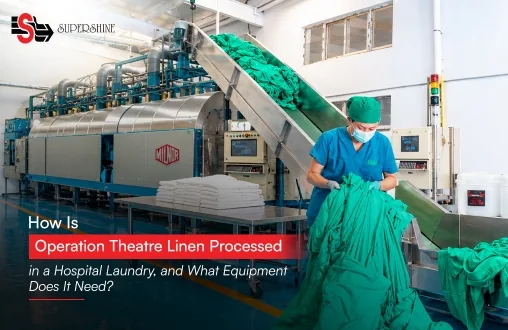
How Is Operation Theatre Linen Processed in a Hospital Laundry, and What Equipment Does It Need?

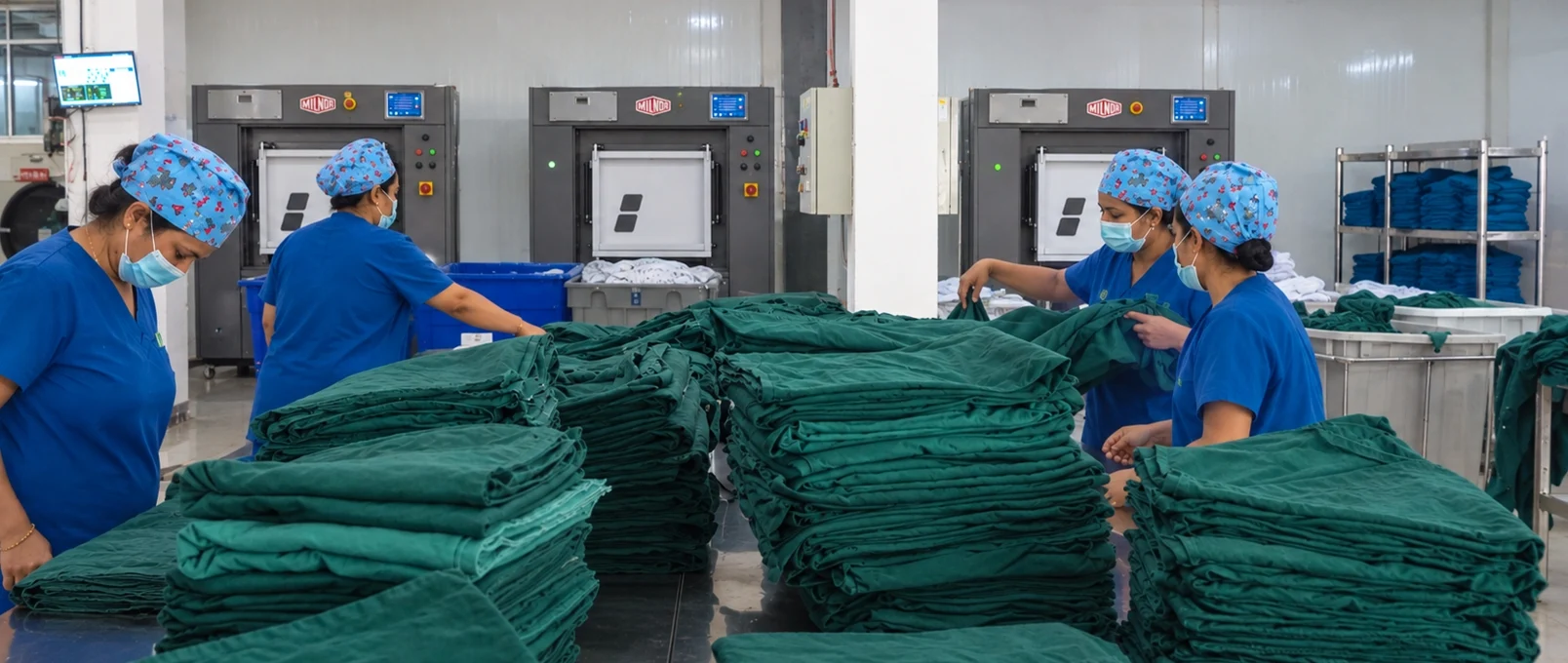
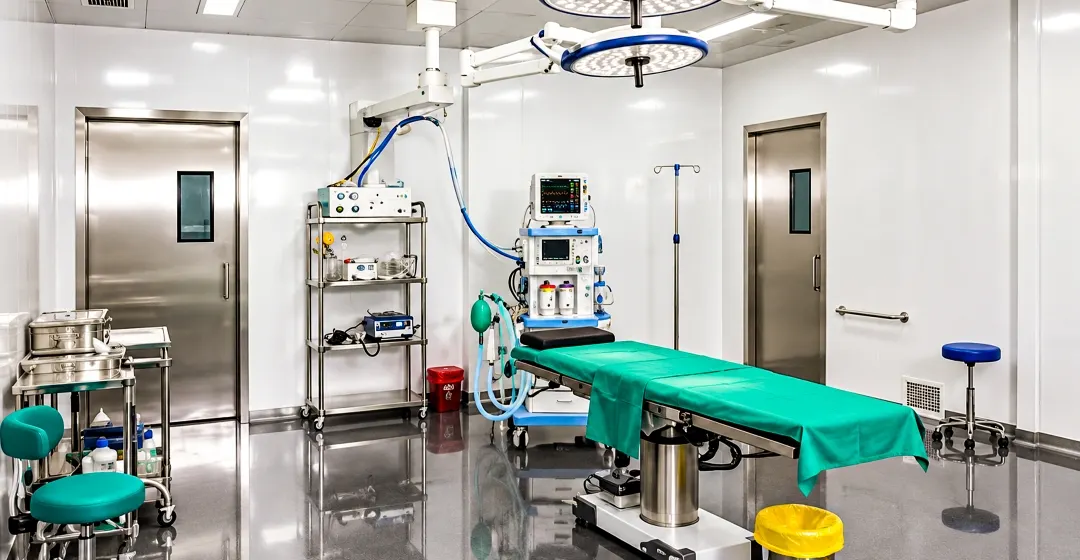
Operation theatre (OT) linen is processed through a controlled sequence: segregation at the point of use, thermal or validated chemical disinfection in a barrier washer extractor, low-lint drying, careful inspection and folding in a clean area, and then packing for sterilisation in the hospital's sterile services department. The laundry's job is to deliver clean, intact, low-lint linen. The sterilisation step is a separate, validated process that usually sits with the CSSD. Getting both right protects patients and keeps theatres on schedule.
This guide explains each step, the equipment involved and the checks that matter for hospital administrators, infection control teams and laundry managers.
What counts as OT linen?
OT linen includes surgical gowns, drapes, table covers, patient sheets, scrub suits, towels and wrappers used to pack instrument sets. Hospitals use reusable cloth, disposable non-woven products or a mix of both. This guide covers the reusable cloth that goes through the laundry. Reusable fabrics range from tightly woven cotton and polyester-cotton blends to specially finished barrier fabrics, and the fabric affects both the wash programme and the number of cycles the item can survive.
How is OT linen collected and segregated?
Handling starts in the theatre, not in the laundry. Good practice includes:
- Placing used linen directly into designated bags or containers at the point of use, with minimal shaking or sorting in the theatre.
- Using colour-coded or labelled bags to separate heavily contaminated items from standard soiled linen.
- Keeping sharps and instruments out of linen. A scalpel blade in a laundry bag is a serious injury risk for staff and damages machines.
- Transporting linen in closed carts or sealed bags, on routes that avoid crossing clean areas.
Receiving staff in the laundry then work on the soiled side with protective equipment, and do not return to the clean side without changing.
What does the washing stage require?
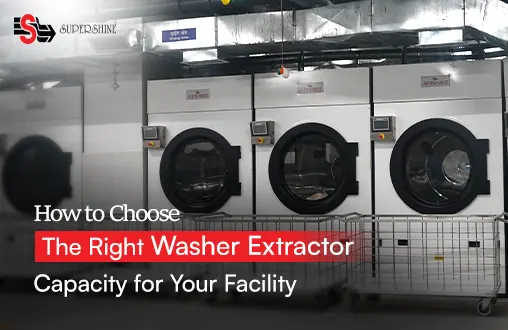
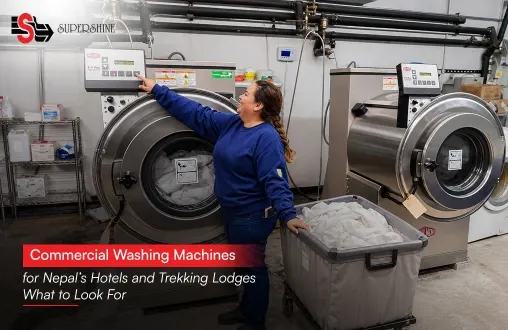
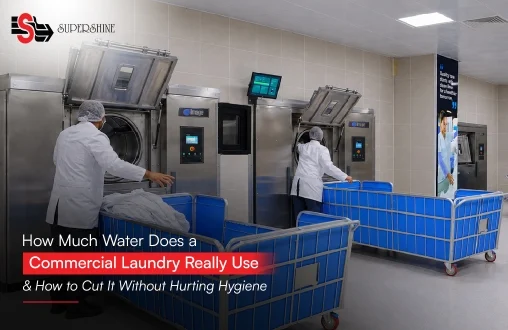
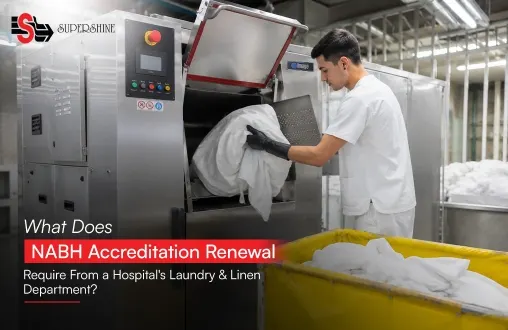
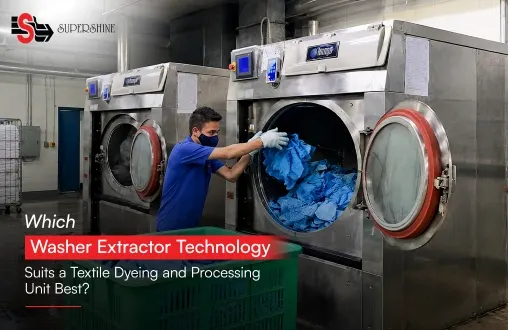
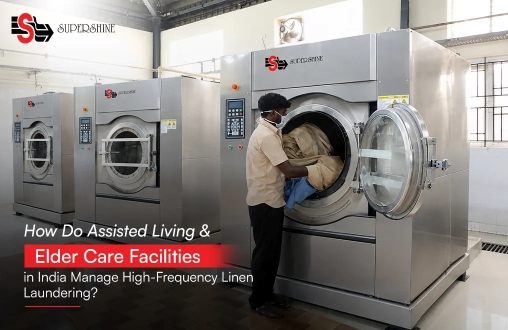
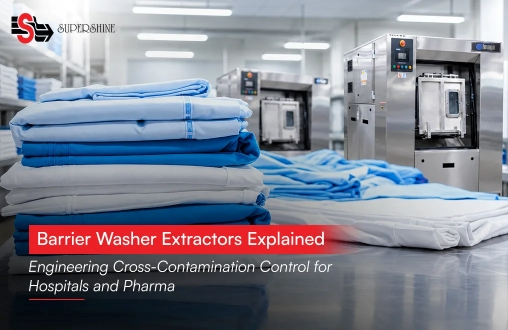
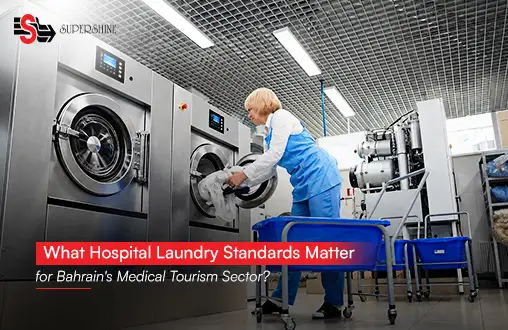
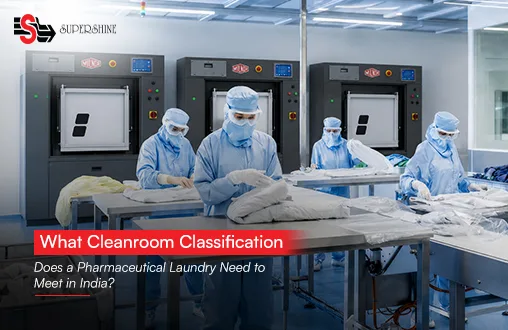
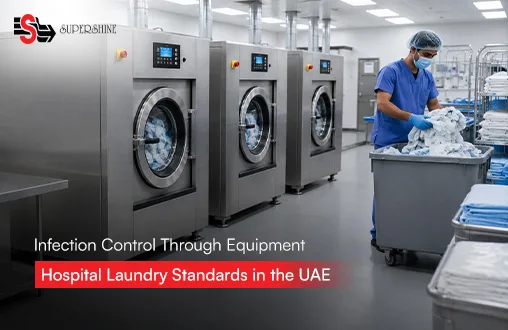
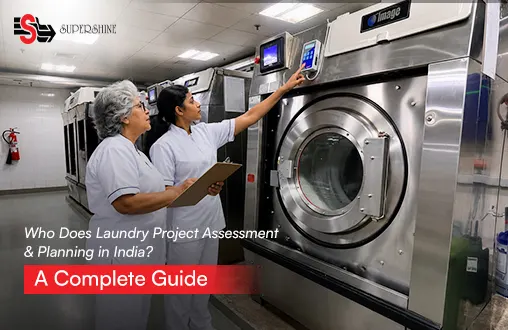
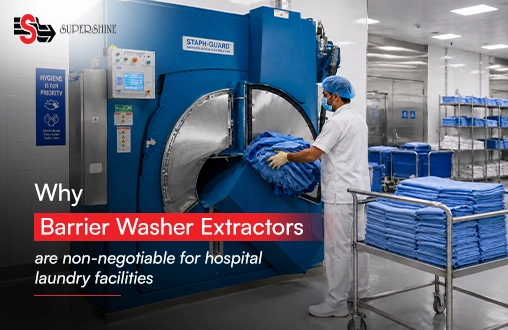
Washing must remove blood, body fluids, prep solutions and soil, and reduce microbial load. A barrier washer extractor makes this possible without cross-contamination, because soiled linen loads from one side of the wall and clean linen unloads on the other.
Programmes usually combine:
- Cold pre-rinse. Blood proteins fix to fabric in hot water, so the first rinse is cool or lukewarm to flush them out.
- Main wash with alkaline detergent. Removes organic soil.
- Disinfection. Either thermal disinfection, where the load is held at a set temperature for a set time, or a validated chemical process at lower temperature. A commonly cited healthcare benchmark, from UK guidance HTM 01-04, is 65 degrees Celsius for 10 minutes or 71 degrees for 3 minutes. Your infection control team decides the standard for your hospital.
- Rinses and neutralisation. Remove detergent and adjust pH so that the fabric is gentle on skin and wounds.
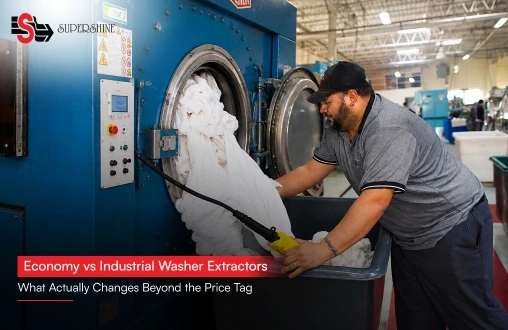
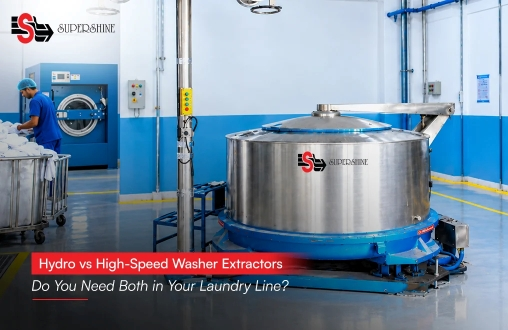
- Extraction. A high-speed spin removes water mechanically, which reduces drying time.
Automatic dosing and recorded cycle data allow the laundry to prove that each batch received the correct treatment.
How should OT linen be dried and finished?
Surgical linen must be low in lint, because loose fibres in a sterile field are undesirable. Use dryers with good filtration and clean ducts, and avoid overloading. Dry fully but not harshly. Over-drying makes fabric brittle and sheds more fibre. After drying, a flatwork ironer or press gives drapes and sheets a smooth finish, which also supports correct folding for packs.
Clean-side finishing then includes:
- Inspection for holes, thin patches, stains and damage. Items with holes in critical zones must be removed from service.
- Counting and recording wash cycles for reusable fabrics, since barrier performance declines with use.
- Folding in the pattern the theatre expects, and packing in clean wrappers or containers.
Where does sterilisation fit in?
Laundry disinfection is not sterilisation. Sterile linen packs are usually assembled in the CSSD or a packing area under controlled conditions and then steam sterilised, with batch records. Some hospitals do this in-house, and some use outside services. The laundry's responsibility is to supply linen that is clean, dry, inspected and packed in a way that suits the sterilisation process, and to document it.
What equipment does an OT linen workflow need?
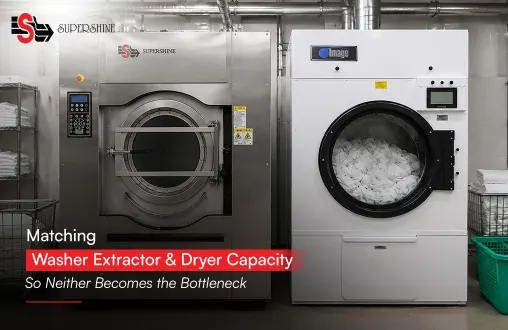
- Barrier washer extractors with programmable cycles, temperature control and automatic dosing.
- High-extraction capability to cut drying time.
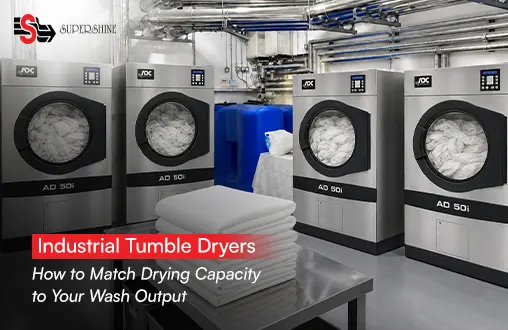
- Industrial tumble dryers with lint filtration and sound ducting.
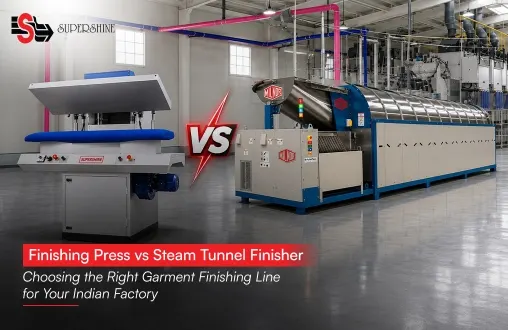
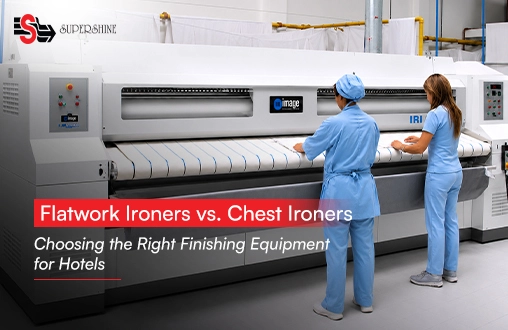
- Flatwork ironers or presses for drapes and sheets.
- Clean folding and inspection tables with good lighting.
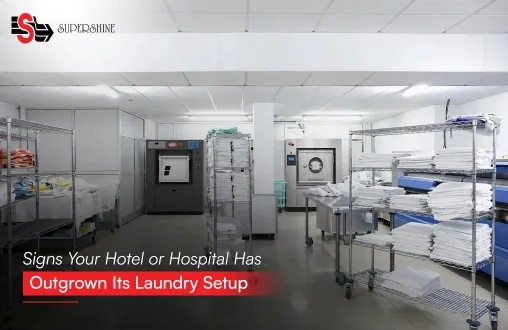
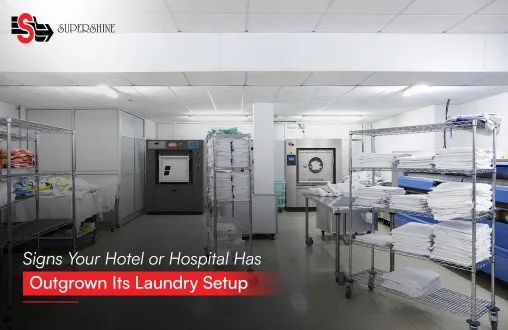
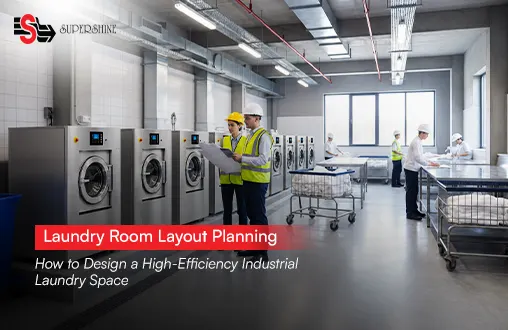
- Separate soiled and clean zones with one-way flow, and ventilation that keeps air moving from clean toward soiled areas.
- Record systems for cycle data, wash counts and traceability.
What mistakes should hospitals avoid?
- Mixing OT linen with general ward linen in the same load.
- Using hot water for the first rinse of blood-soiled items.
- Failing to inspect for holes before packing.
- Exceeding the recommended number of washes for barrier fabrics.
- Letting clean and soiled trolleys cross paths.
Key takeaways
- OT linen processing runs from segregation to disinfection to inspection and packing, with sterilisation handled separately.
- Barrier washer extractors prevent cross-contamination by separating soiled and clean sides.
- Temperature, time and dosing must be controlled and recorded.
- Low-lint drying and careful inspection protect the sterile field.
- Wash cycle tracking matters for reusable barrier fabrics.
How does Supershine Laundry support hospital laundries?
Supershine Laundry has spent 35 years engineering laundries for hospitals, hotels, defence and paramilitary units, garment manufacturers, railways and institutions, with more than 1,500 installations. The turnkey service covers consultation, capacity planning, machine selection, installation, commissioning, staff training, AMC and spare parts, and barrier washer extractors and matched dryers are planned with the hospital's flow and infection-control rules in mind.